
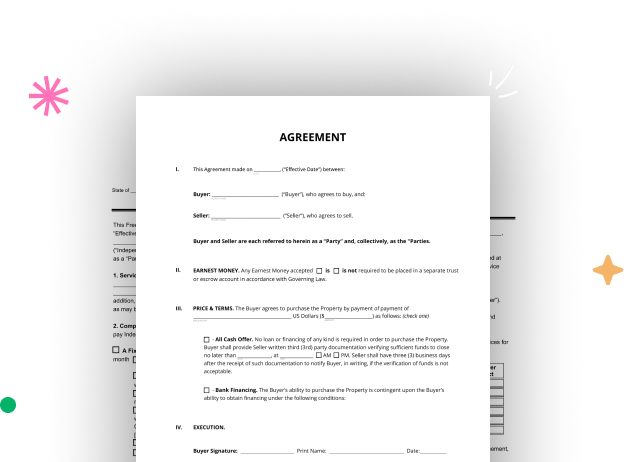
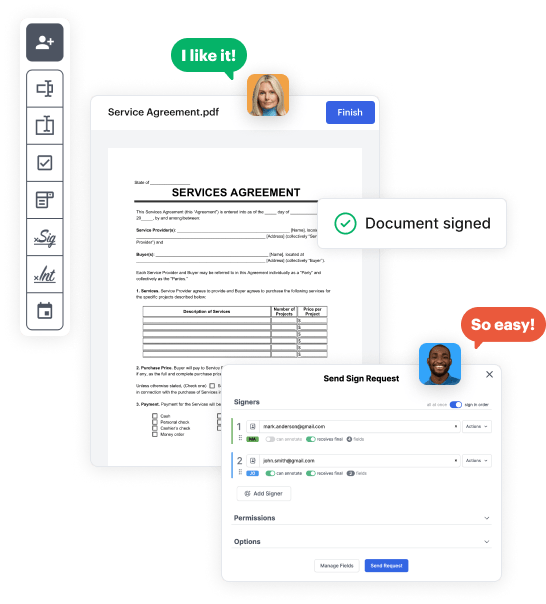
Create your Massachusetts Residential Lease from scratch

Start Building Now
Title decoration

Here's how it works

01. Start with a blank Massachusetts Residential Lease
Open the blank document in the editor, set the document view, and add extra pages if applicable.
02. Add and configure fillable fields
Use the top toolbar to insert fields like text and signature boxes, radio buttons, checkboxes, and more. Assign users to fields.
03. Distribute your form
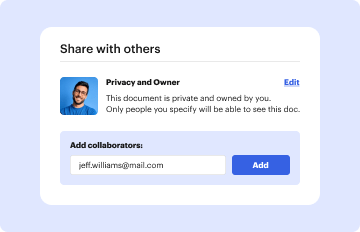
Share your Massachusetts Residential Lease in seconds via email or a link. You can also download it, export it, or print it out.

Create your Massachusetts Residential Lease in a matter of minutes

Form edit decoration

Step 1: Access DocHub to set up your Massachusetts Residential Lease.

Begin signining into your DocHub account. Utilize the pro DocHub functionality at no cost for 30 days.

Step 2: Navigate to the dashboard.

Once logged in, go to the DocHub dashboard. This is where you'll create your forms and handle your document workflow.

Step 3: Create the Massachusetts Residential Lease.

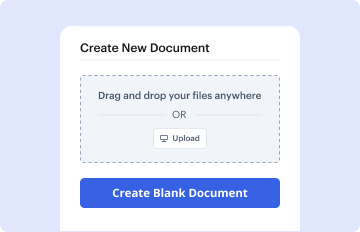
Click on New Document and choose Create Blank Document to be redirected to the form builder.

Step 4: Set up the form layout.

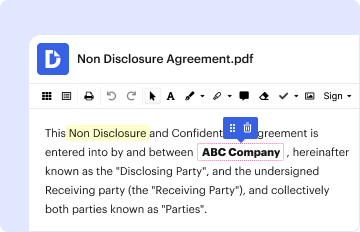
Use the DocHub toolset to add and configure form fields like text areas, signature boxes, images, and others to your form.

Step 5: Add text and titles.

Include necessary text, such as questions or instructions, using the text field to assist the users in your form.

Step 6: Configure field settings.

Alter the properties of each field, such as making them required or arranging them according to the data you plan to collect. Assign recipients if applicable.

Step 7: Review and save.

After you’ve managed to design the Massachusetts Residential Lease, make a final review of your form. Then, save the form within DocHub, export it to your chosen location, or distribute it via a link or email.


be ready to get more

Build your Massachusetts Residential Lease in minutes

Start creating now

Got questions?

We have answers to the most popular questions from our customers. If you can't find an answer to your question, please contact us.
Contact us
Every rental agreement must have certain terms, and is prohibited from containing certain other terms. The lease must include the name, address, and phone number of the owner, the person responsible for maintenance, and the person to whom the tenant can give copies of formal notices, complaints, or court papers.
It is a legally binding contract detailing the responsibilities both the landlord and the tenant promise to uphold. In addition to specifics like amenities, renovations and other apartment features, the lease includes legal details like: Grounds for lease termination and eviction.
If the tenant is able to prove their claim to their landlord, they may be able to break the lease early. Overall, tenants must provide a notice letter with an attached copy of a valid protection order, court record, or written verification from a qualified person that confirms the claim.
Since the tenants agreement is tied to the property, they have the right to stay there after the property is sold. If no arrangements are made for the lease to terminate legally, the new landlord must honor the lease until it expires. If the new landlord wants the tenant out, they can form a cash for keys agreement.
Unfortunately, the landlord can refuse to renew, but you can ask for a month to month rental so you can get more time to find a new place.
be ready to get more

Build your Massachusetts Residential Lease in minutes

Start creating now

Related Q&A to Massachusetts Residential Lease

A Tenant at Will is one who occupies a rented apartment without a lease, but pays rent periodically (typically monthly). Either the landlord or the tenant may terminate this arrangement at any time by giving written notice of 30 days or one full rental period in advance, whichever is longer. No reason is required.
Some Leases Automatically Renew A self-renewing or self-extending lease will renew ing to what it says in the agreement. Some leases automatically repeat the original term. For instance, a one-year lease can repeat to another one-year lease. Other leases convert to tenancy-at-will, or month-to-month.
CONTRACTS: FORMATION OF A BINDING CONTRACT v. Malouf, Inc., 430 Mass. 875, 878 (2000) (It is axiomatic that to create an enforceable contract, there must be agreement between the parties on the material terms of that contract, and the parties must have a present intention to be bound by that agreement.); Vacca v.

Additional resources on building your forms


