

Create your Maryland Housing Law from scratch

Start Building Now
Title decoration

Here's how it works

01. Start with a blank Maryland Housing Law
Open the blank document in the editor, set the document view, and add extra pages if applicable.
02. Add and configure fillable fields
Use the top toolbar to insert fields like text and signature boxes, radio buttons, checkboxes, and more. Assign users to fields.
03. Distribute your form
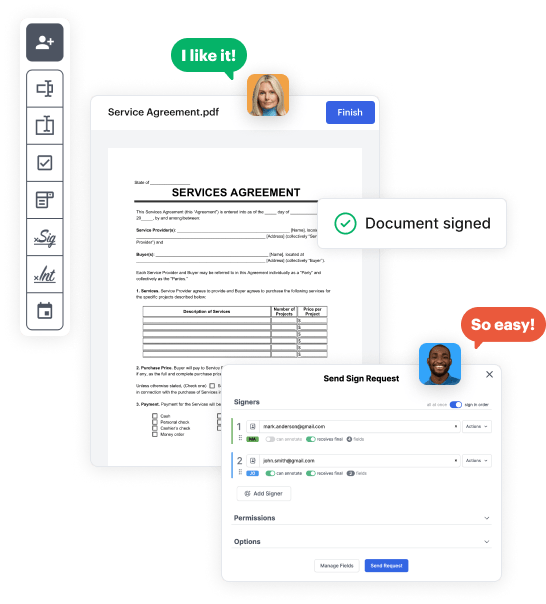
Share your Maryland Housing Law in seconds via email or a link. You can also download it, export it, or print it out.

A detailed guide on how to build your Maryland Housing Law online

Form edit decoration

Step 1: Start with DocHub's free trial.

Visit the DocHub website and sign up for the free trial. This provides access to every feature you’ll need to create your Maryland Housing Law with no upfront cost.

Step 2: Navigate to your dashboard.

Log in to your DocHub account and navigate to the dashboard.

Step 3: Initiate a new document.

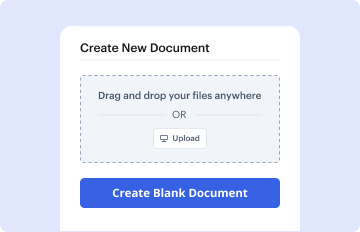
Click New Document in your dashboard, and choose Create Blank Document to create your Maryland Housing Law from the ground up.

Step 4: Use editing tools.

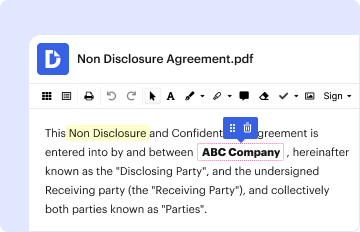
Insert various elements such as text boxes, radio buttons, icons, signatures, etc. Arrange these fields to suit the layout of your document and assign them to recipients if needed.

Step 5: Organize the form layout.

Organize your document effortlessly by adding, moving, removing, or combining pages with just a few clicks.

Step 6: Set up the Maryland Housing Law template.

Turn your freshly designed form into a template if you need to send many copies of the same document multiple times.

Step 7: Save, export, or distribute the form.

Send the form via email, distribute a public link, or even post it online if you wish to collect responses from more recipients.


be ready to get more

Build your Maryland Housing Law in minutes

Start creating now

Got questions?

We have answers to the most popular questions from our customers. If you can't find an answer to your question, please contact us.
Contact us
Your landlord can file a failure to pay rent action in court if your rent due date has passed and you have not paid the rent. A new law that goes into effect on October 1, 2021, requires landlords to provide notice before filing an eviction action.
Oral leases are legal for lease terms of less than one year. However, a written lease is strongly recommended to help landlords and tenants avoid disputes. A landlord is required to use a written lease if the tenancy is going to be for a year or longer, or if the landlord owns five or more rental units in the state.
The Renters Rights and Stabilization Act creates an Office of Tenant and Landlord Affairs to ensure that residents have access to educational resources to aid in understanding and exercising tenants rights under state law, provides residents with information on how to report a violation of their legal rights, offer
A landlord may not charge a security deposit in excess of one (1) months rent with very limited exception. This is a change from prior law which permitted a landlord to charge a security deposit of up to two months rent.
The Housing Expansion and Affordability Act (SB 484, HB 538) This is the first of three bills in the most aggressive housing package introduced by any Maryland Governor. This Act aims to make housing more affordable and accessible for Marylanders by removing unnecessary barriers to housing construction.
be ready to get more

Build your Maryland Housing Law in minutes

Start creating now

Related Q&A to Maryland Housing Law

Moores 2024 Housing Package is the most comprehensive housing legislation in decades to make housing more affordable for Marylanders by spurring new housing construction, cutting burdensome red tape, enhancing long-term financial investment in low-income areas and centralizing resources for Maryland renters.
This bill establishes the Office of Tenant and Landlord Affairs to provide renters with information about their rights, creates the Maryland Tenants Bill of Rights, increases the eviction filing fee to address the high eviction filing rate across the county, saves renters money by reducing required security deposits
If the tenant is in a month-to-month tenancy and the landlord wishes to end the tenancy, then the landlord must give the tenant a written 60-day notice. This notice must inform the tenant that the tenancy will end at the end of the 60 days and that the tenant must move out of the rental unit by that time.


