

Create your Living Will and Power of Attorney Form from scratch

Start Building Now
Title decoration

Here's how it works

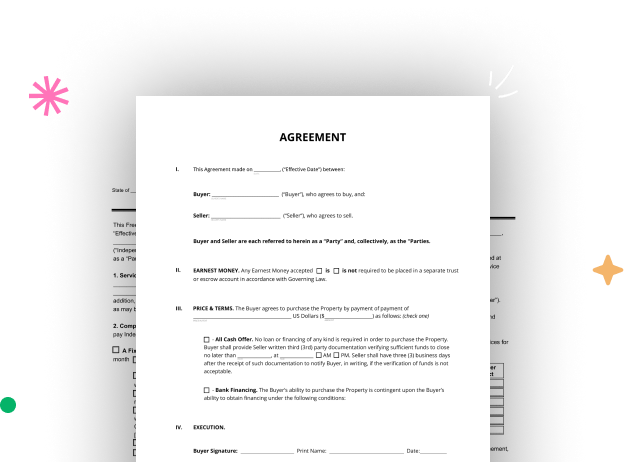
01. Start with a blank Living Will and Power of Attorney Form
Open the blank document in the editor, set the document view, and add extra pages if applicable.
02. Add and configure fillable fields
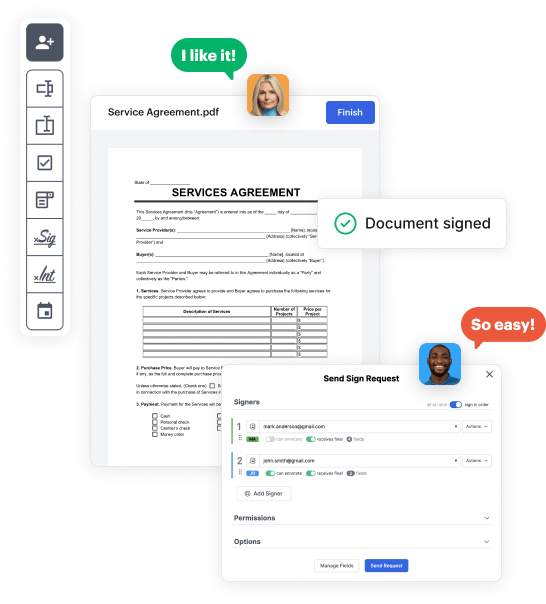
Use the top toolbar to insert fields like text and signature boxes, radio buttons, checkboxes, and more. Assign users to fields.
03. Distribute your form
Share your Living Will and Power of Attorney Form in seconds via email or a link. You can also download it, export it, or print it out.

Design your Living Will and Power of Attorney Form in a matter of minutes

Form edit decoration

Step 1: Access DocHub to build your Living Will and Power of Attorney Form.

Begin by accessing your DocHub account. Explore the pro DocHub functionality at no cost for 30 days.

Step 2: Go to the dashboard.

Once logged in, head to the DocHub dashboard. This is where you'll build your forms and manage your document workflow.

Step 3: Design the Living Will and Power of Attorney Form.

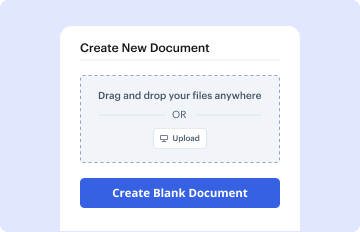
Hit New Document and select Create Blank Document to be taken to the form builder.

Step 4: Design the form layout.

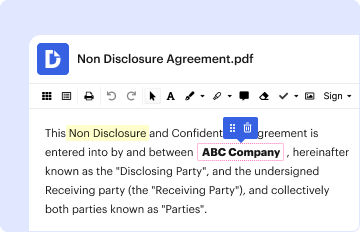
Use the DocHub toolset to add and arrange form fields like text areas, signature boxes, images, and others to your document.

Step 5: Insert text and titles.

Add necessary text, such as questions or instructions, using the text field to assist the users in your document.

Step 6: Customize field settings.

Alter the properties of each field, such as making them mandatory or formatting them according to the data you plan to collect. Designate recipients if applicable.

Step 7: Review and save.

After you’ve managed to design the Living Will and Power of Attorney Form, make a final review of your document. Then, save the form within DocHub, send it to your selected location, or distribute it via a link or email.


be ready to get more

Build your Living Will and Power of Attorney Form in minutes

Start creating now

Got questions?

We have answers to the most popular questions from our customers. If you can't find an answer to your question, please contact us.
Contact us
You do not need to have the form docHubd. The standard health care proxy form approved under New York law has sections that must be completed for your proxy to be valid. The form also has optional sections that you may or may not choose to complete.
A living will is a written statement of your specific health care wishes in the event you become unable to decide for yourself. New York State does not have a standard living will form. New York State does recognize living wills as valid if they provide clear and convincing evidence of the persons wishes.
A living will is only valid if you are unable to communicate your wishes. A health care power of attorney gives someone else (the proxy) the ability to make decisions for you regarding your health care. Unlike a living will, it applies to both end-of-life treatment as well as other areas of medical care.
The will must be in writing and signed by you, the testator, at the end of the will. You must sign your will in the presence of at least two witnesses, who do not receive anything under your will. At the time you are signing your will you are to state to the witnesses that you are signing your will.
Item 1: Print your name Item 2: Cross out any of the statements that do not reflect your wishes Item 3: Write in any personal instructions Item 4: Date and sign the document and include your address Item 5: Two witnesses must sign the document and print their addresses. Note: This form does not need to be docHubd.
be ready to get more

Build your Living Will and Power of Attorney Form in minutes

Start creating now

Related Q&A to Living Will and Power of Attorney Form

No, in New York, you do not need to docHub your will to make it legal. However, New York allows you to make your will self-proving and youll need to go to a notary if you want to do that. A self-proving will speeds up probate because the court can accept the will without contacting the witnesses who signed it.
presence of two witnesses over the age of 18 OR in the presence of a Notary Public.

Additional resources on building your forms