
Create your Living Trust Revocation Form from scratch

Start Building Now
Title decoration

Here's how it works

01. Start with a blank Living Trust Revocation Form
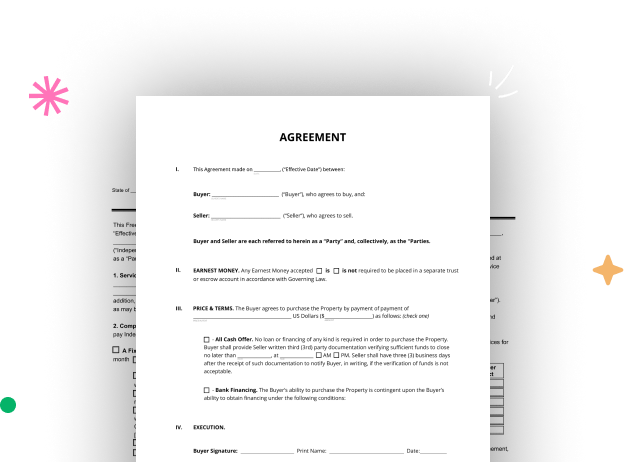
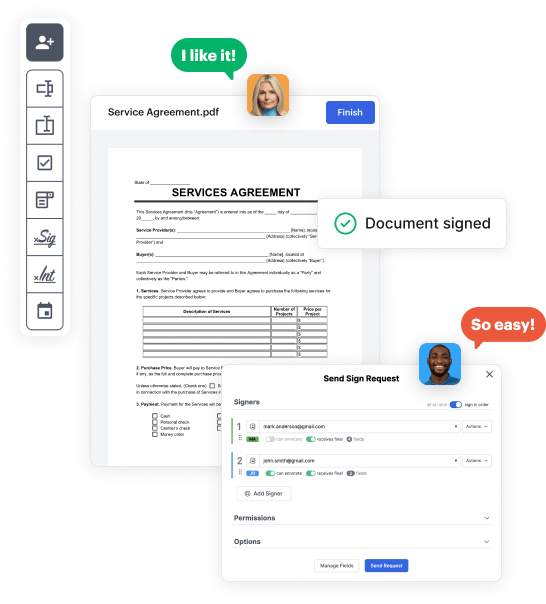
Open the blank document in the editor, set the document view, and add extra pages if applicable.
02. Add and configure fillable fields
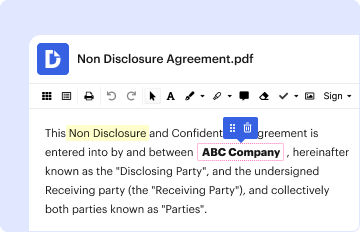
Use the top toolbar to insert fields like text and signature boxes, radio buttons, checkboxes, and more. Assign users to fields.
03. Distribute your form
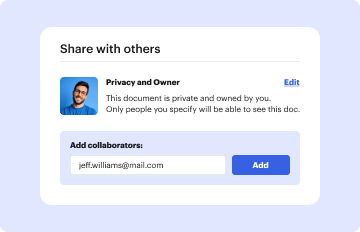
Share your Living Trust Revocation Form in seconds via email or a link. You can also download it, export it, or print it out.

Create your Living Trust Revocation Form in a matter of minutes

Form edit decoration

Step 1: Access DocHub to build your Living Trust Revocation Form.

Start by accessing your DocHub account. Explore the pro DocHub functionality at no cost for 30 days.

Step 2: Go to the dashboard.

Once logged in, head to the DocHub dashboard. This is where you'll create your forms and handle your document workflow.

Step 3: Create the Living Trust Revocation Form.

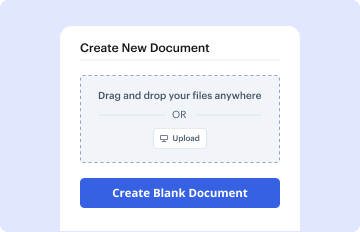
Click on New Document and select Create Blank Document to be taken to the form builder.

Step 4: Set up the form layout.

Use the DocHub toolset to add and configure form fields like text areas, signature boxes, images, and others to your form.

Step 5: Insert text and titles.

Add needed text, such as questions or instructions, using the text tool to guide the users in your document.

Step 6: Customize field settings.

Modify the properties of each field, such as making them compulsory or arranging them according to the data you expect to collect. Assign recipients if applicable.

Step 7: Review and save.

After you’ve managed to design the Living Trust Revocation Form, make a final review of your form. Then, save the form within DocHub, transfer it to your selected location, or share it via a link or email.


be ready to get more

Build your Living Trust Revocation Form in minutes

Start creating now

Got questions?

We have answers to the most popular questions from our customers. If you can't find an answer to your question, please contact us.
Contact us
How to Change a Revocable Trust in California Step 1: Review Your Living Trust for Amendment Instructions. Step 2: Transfer Assets. Step 4: Create a Trust Amendment Document. Step 4: Deliver the Trust Amendment Document to the Trustee.
Sign a trust revocation declaration and deliver it to the trustee. Most states require trust instruments to provide a method of revocation. For example, the trust may include a simple statement such as: I reserve the right to amend this trust by a signed document delivered to the trustee.
The first step in dissolving a revocable trust is to remove all the assets that have been transferred into it. The second step is to fill out a formal revocation form, stating the grantors desire to dissolve the trust.
Here is an example of a trust revocation declaration: I, John Doe, hereby revoke the John Doe Revocable Living Trust, created by the Declaration of Trust signed MONTH, DAY, YEAR, ing to the power reserved to me. All property held in the trust shall be returned to the settlor.
To terminate an active trust, a party with standing must petition the court and provide evidence that persuades a judge to issue an order dissolving the trust or all beneficiaries of the trust must agree to its termination.
be ready to get more

Build your Living Trust Revocation Form in minutes

Start creating now

Related Q&A to Living Trust Revocation Form

How to Terminate a Trust Termination by Trustee. Termination With Consent of Beneficiaries. Termination by the Court.
A revocable trust can be dissolved by the person who set it up, or the grantor, at any time. There are several steps involved, but the process is not a complicated one. Common reasons for dissolution include a divorce or the desire to completely rewrite the original trust.
How do you invalidate a trust? In order to contest a trust, you must file a petition in the probate court that outlines the reasons you believe the trust is invalid.

Additional resources on building your forms