
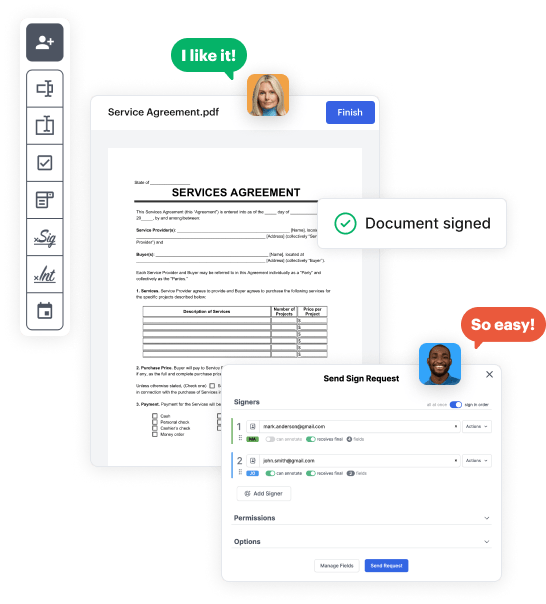
Create your Living Together Legal Form from scratch

Start Building Now
Title decoration

Here's how it works

01. Start with a blank Living Together Legal Form
Open the blank document in the editor, set the document view, and add extra pages if applicable.
02. Add and configure fillable fields
Use the top toolbar to insert fields like text and signature boxes, radio buttons, checkboxes, and more. Assign users to fields.
03. Distribute your form
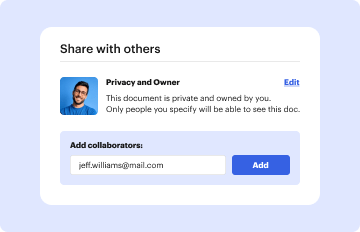
Share your Living Together Legal Form in seconds via email or a link. You can also download it, export it, or print it out.

Create your Living Together Legal Form in a matter of minutes

Form edit decoration

Step 1: Access DocHub to set up your Living Together Legal Form.

Begin by logging into your DocHub account. Utilize the advanced DocHub functionality at no cost for 30 days.

Step 2: Navigate to the dashboard.

Once signed in, go to the DocHub dashboard. This is where you'll build your forms and manage your document workflow.

Step 3: Create the Living Together Legal Form.

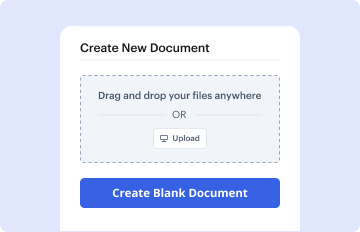
Hit New Document and choose Create Blank Document to be redirected to the form builder.

Step 4: Design the form layout.

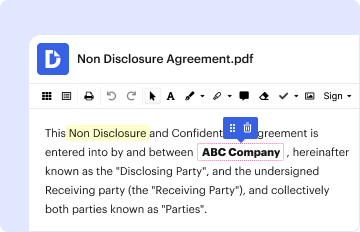
Use the DocHub features to add and configure form fields like text areas, signature boxes, images, and others to your form.

Step 5: Insert text and titles.

Add needed text, such as questions or instructions, using the text field to lead the users in your form.

Step 6: Configure field properties.

Adjust the properties of each field, such as making them mandatory or arranging them according to the data you expect to collect. Assign recipients if applicable.

Step 7: Review and save.

After you’ve managed to design the Living Together Legal Form, make a final review of your form. Then, save the form within DocHub, export it to your chosen location, or share it via a link or email.


be ready to get more

Build your Living Together Legal Form in minutes

Start creating now

Got questions?

We have answers to the most popular questions from our customers. If you can't find an answer to your question, please contact us.
Contact us
Cohabitation Agreements to Keep Property Separate As weve seen, some courts may recognize oral or implied cohabitation agreements. So the lack of a written contract might be an invitation for your erstwhile partner to later claim that you had a spoken or unspoken agreement to share your property.
Yes, it is perfectly legal to draft your own cohabitation agreement with your partner. However, its important to understand the benefits of having this agreement drafted by an attorney.
As of December 2023, cohabitation of unmarried couples remains illegal in two states (Mississippi and North Carolina), while as of 2023 fornication remains illegal in two states (Georgia and South Carolina).
A Cohabitation Agreement usually includes: Full names of you and your partner. Shared address. Move-in date. Information about both shared and separate assets and debts. Delegation of household expenses. Details of any joint accounts used to pay shared living expenses.
Cohabitation is the act of living together as a couple without being married. This can be in the form of living together as roommates, or it can be as a romantic relationship. Cohabitation can be a temporary arrangement or a long-term commitment, and it can occur at any stage of a relationship.
be ready to get more

Build your Living Together Legal Form in minutes

Start creating now

Related Q&A to Living Together Legal Form

For more typical cases, examples of documents that can help prove cohabitation (living together) include: Copies of the following, showing both spouses names: Joint mortgage or lease documents (make sure to include a copy of the entire mortgage or lease) Utility or other bills showing both spouses names. Property
A cohabitation agreement is a form of legal agreement docHubed between a couple who have chosen to live together (whether they are heterosexual or homosexual). In some ways, such a couple may be treated like a married couple, such as when applying for a mortgage or working out child support.

Additional resources on building your forms


