
Create your Life Estate Deed from scratch

Start Building Now
Title decoration

Here's how it works

01. Start with a blank Life Estate Deed
Open the blank document in the editor, set the document view, and add extra pages if applicable.
02. Add and configure fillable fields
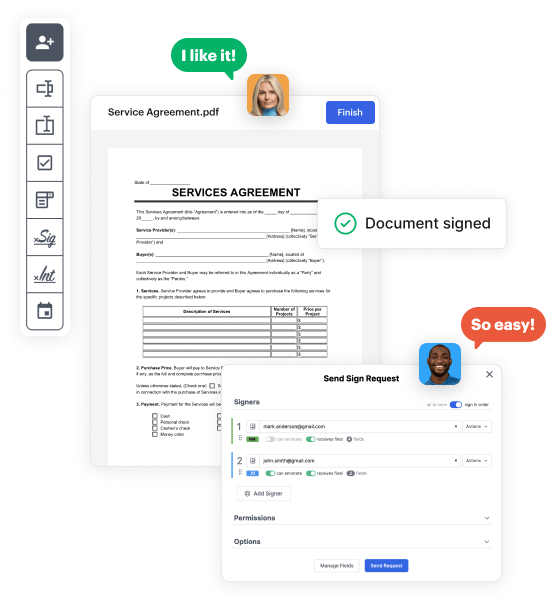
Use the top toolbar to insert fields like text and signature boxes, radio buttons, checkboxes, and more. Assign users to fields.
03. Distribute your form
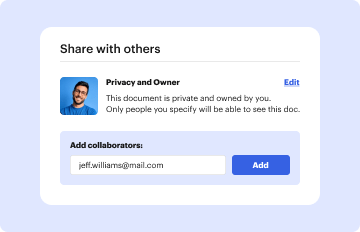
Share your Life Estate Deed in seconds via email or a link. You can also download it, export it, or print it out.

A detailed guide on how to design your Life Estate Deed online

Form edit decoration

Step 1: Start with DocHub's free trial.

Navigate to the DocHub website and register for the free trial. This gives you access to every feature you’ll need to build your Life Estate Deed with no upfront cost.

Step 2: Access your dashboard.

Sign in to your DocHub account and proceed to the dashboard.

Step 3: Initiate a new document.

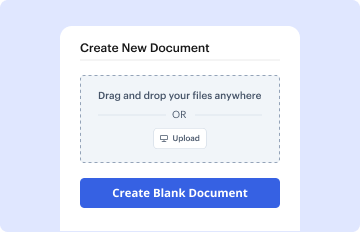
Hit New Document in your dashboard, and select Create Blank Document to craft your Life Estate Deed from scratch.

Step 4: Utilize editing tools.

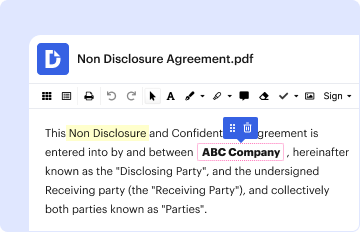
Insert various fields such as text boxes, radio buttons, icons, signatures, etc. Organize these fields to match the layout of your document and designate them to recipients if needed.

Step 5: Modify the form layout.

Organize your document effortlessly by adding, moving, removing, or merging pages with just a few clicks.

Step 6: Set up the Life Estate Deed template.

Transform your newly crafted form into a template if you need to send many copies of the same document repeatedly.

Step 7: Save, export, or share the form.

Send the form via email, share a public link, or even post it online if you aim to collect responses from a broader audience.


be ready to get more

Build your Life Estate Deed in minutes

Start creating now

Got questions?

We have answers to the most popular questions from our customers. If you can't find an answer to your question, please contact us.
Contact us
The wording life estate is not essential to make it a Life Estate document. Other commonly used phrases in life estate document include: To person A for the term of his/her life. Person A reserves the possession or use of the property for the term of person As lifetime.
Life Estate, Definition A life estate is a special ownership arrangement that allows you to share a property with someone else. Each of the people in a life estate has an ownership interest in a piece of real estate typically your primary home but over different time periods.
Life estate cons Theres no creditor protection for the remainderman. Since they own an interest in the property, if theyre sued or owe a debt, the creditors can place a lien on the property. You cant minimize estate tax. The propertys fair market value is included in the life tenants taxable estate once they die.
A life estate is a type of joint ownership that allows someone to live in their home during their lifetime and transfer it to a beneficiary upon their death. A life estate is commonly created with a life estate deed.
Advantages of a Life Estate Probate Avoidance: Life estates avoid a California probate. When the last surviving Life Tenant dies, the property automatically transfers to your heirs.
be ready to get more

Build your Life Estate Deed in minutes

Start creating now

Related Q&A to Life Estate Deed

Its important to fully understand the following risks: Limits on Life Tenants ability to sell or mortgage the property. Removing a Remainderman is difficult. A Remaindermens problems can become your problems. Medicaid Complications. Nursing Home Complications.
A life estate is usually created to streamline the transfer of homeownership to the next generation but it can also be used to establish an income stream. Life estates can be created to provide a life-long income for a person rather than a lump-sum inheritance.
A life estate is created by a deed that gives the property to the person for life and identifies what should happen to it after that person dies. For example, a deed stating that land would go to John Doe for life, then to Jane Doe gives John a valid life estate, and Jane a remainder.

Additional resources on building your forms

