

Improve your document managing with Liability Waiver Forms

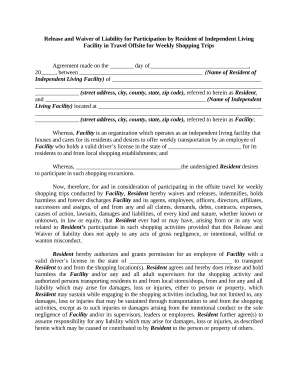
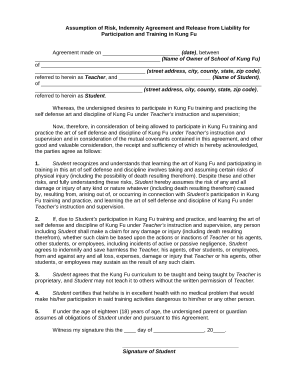
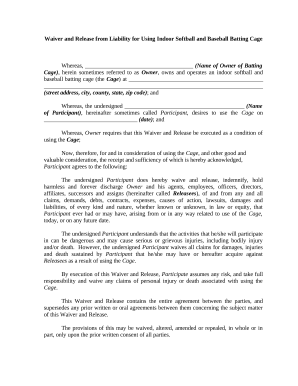
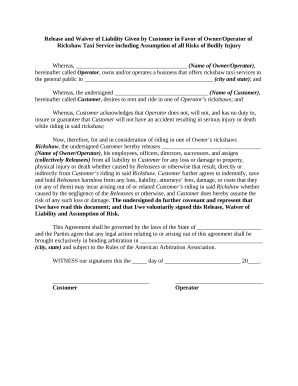
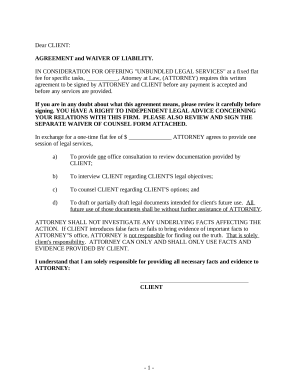
Your workflows always benefit when you can easily discover all the forms and files you will need at your fingertips. DocHub delivers a a huge collection of templates to relieve your daily pains. Get a hold of Liability Waiver Forms category and quickly find your document.

Start working with Liability Waiver Forms in a few clicks:

  1. Gain access to Liability Waiver Forms and locate the document you require.
  2. Click Get Form to open it in the editor.
  3. Start adjusting your document: add more fillable fields, highlight paragraphs, or blackout sensitive details.
  4. The application saves your modifications automatically, and after you are ready, you are able to download or share your form with other contributors.

Enjoy smooth file management with DocHub. Discover our Liability Waiver Forms online library and look for your form today!


Video Guide on Liability Waiver Forms management

video background

Commonly Asked Questions about Liability Waiver Forms

The waiver may also be used to release one party from liability for the negligence of the other party. In order for a liability waiver to be legally binding, it must be in writing and signed by both parties.
A waiver is an agreement between the provider of an activity, and the participants. By signing a waiver, you acknowledge and accept the risks associated with the activity, and waive the right to bring a legal claim if you are injured. A waiver is not always a form that needs to be signed.
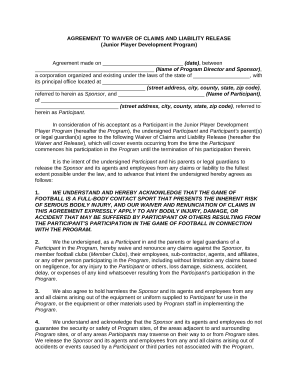
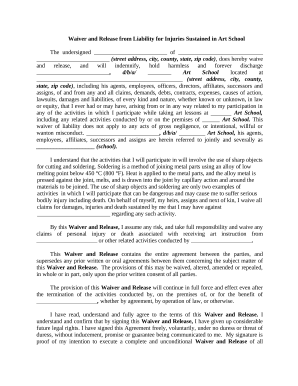
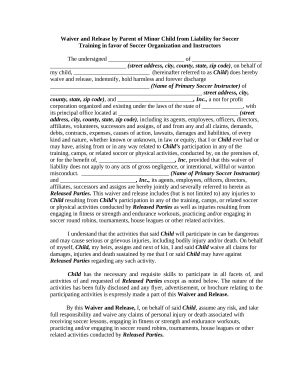
A liability waiver form is a legal contract that educates one party about the risks associated with an activity. Once signed, it prevents the participant from opening a lawsuit against the company in the event of damage or loss, effectively shifting responsibility for injuries from the company to the customer.
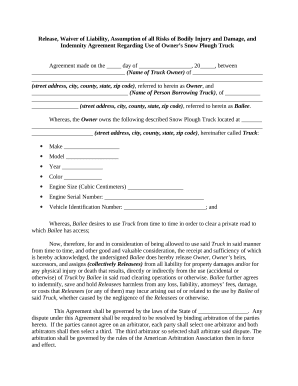
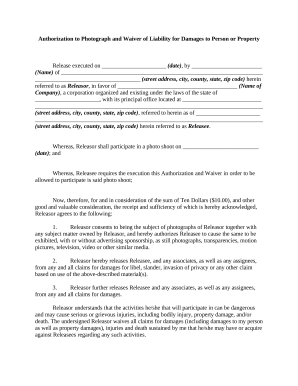
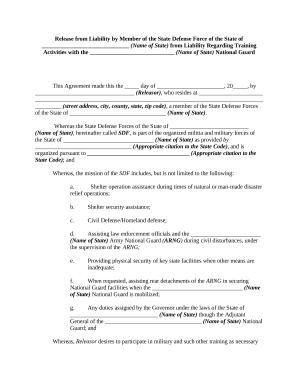
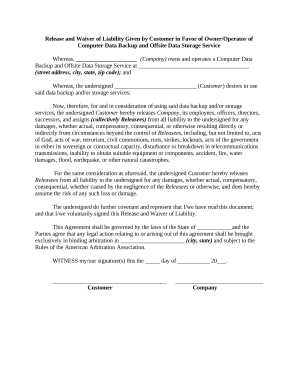
A release of liability, also known as a liability waiver or a hold harmless agreement, is a contract in which one party agrees not to hold another party liable for damages or injury. These contracts are common in fields that involve some risk to property, finances, or health.
For the most part, the signing of a waiver is going to hold up in court as a binding document. That does not mean, however, that you are out of options if you sign a release of liability waiver and then sustain an injury while participating in the activity the business offered.
Courts generally do not enforce liability waivers that: Purport to waive liability for a partys intentional, willful, reckless, or grossly negligent conduct. Violate public policy or a statute. (Restatement (Second) of Contracts 195(1), (2); see also Seigneur, 752 A.
You Have the Option Not to SignSort Of. If you truly do not want to waive your legal right to bring a claim against the at-fault party if you are injured, you do not have to.
This liability waiver is intended to protect the property owner against liability for claims of illness, injury, or death resulting from the visitor entering the property. It contains a covenant not to sue and optional assumption of risk and indemnification provisions.
