
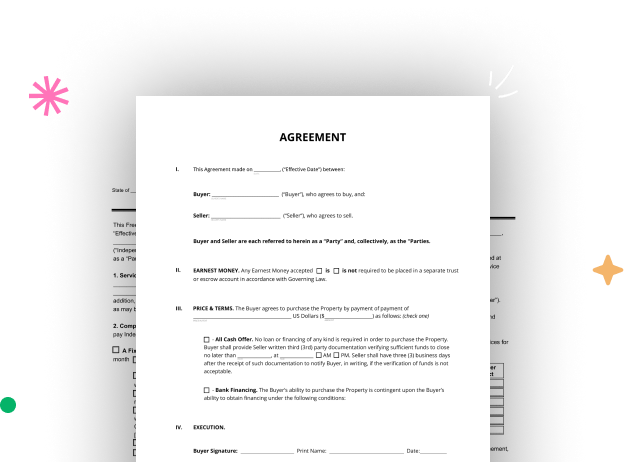
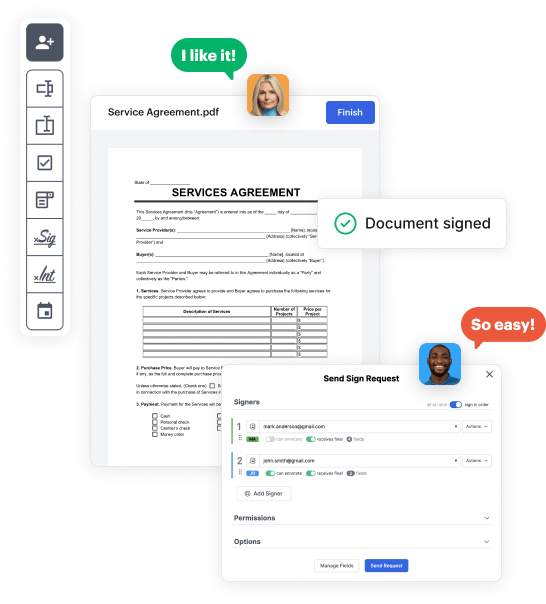
Create your Legally Binding Contractor Agreement from scratch

Start Building Now
Title decoration

Here's how it works

01. Start with a blank Legally Binding Contractor Agreement
Open the blank document in the editor, set the document view, and add extra pages if applicable.
02. Add and configure fillable fields
Use the top toolbar to insert fields like text and signature boxes, radio buttons, checkboxes, and more. Assign users to fields.
03. Distribute your form
Share your Legally Binding Contractor Agreement in seconds via email or a link. You can also download it, export it, or print it out.

Create Legally Binding Contractor Agreement from scratch with these detailed guidelines

Form edit decoration

Step 1: Start off by launching DocHub.

Begin by setting up a free DocHub account using any offered sign-up method. If you already have one, simply log in.

Step 2: Register for a 30-day free trial.

Try out the complete suite of DocHub's advanced tools by registering for a free 30-day trial of the Pro plan and proceed to craft your Legally Binding Contractor Agreement.

Step 3: Build a new empty form.

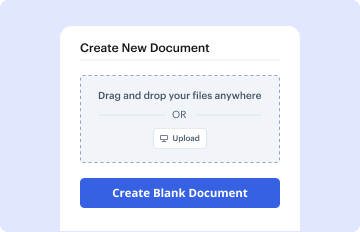
In your dashboard, hit the New Document button > scroll down and choose to Create Blank Document. You will be redirected to the editor.

Step 4: Organize the document’s view.

Utilize the Page Controls icon indicated by the arrow to toggle between different page views and layouts for more flexibility.

Step 5: Begin by inserting fields to design the dynamic Legally Binding Contractor Agreement.

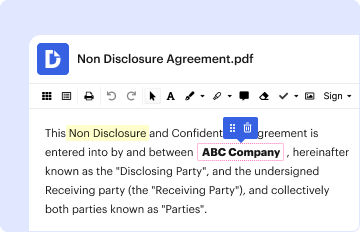
Use the top toolbar to add document fields. Add and format text boxes, the signature block (if applicable), add photos, and other elements.

Step 6: Prepare and customize the added fields.

Arrange the fillable areas you added per your preferred layout. Adjust the size, font, and alignment to ensure the form is easy to use and professional.

Step 7: Finalize and share your document.

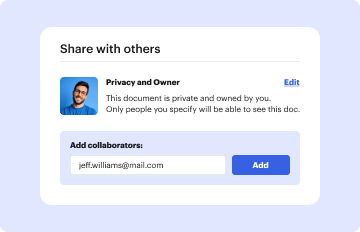
Save the finalized copy in DocHub or in platforms like Google Drive or Dropbox, or create a new Legally Binding Contractor Agreement. Send out your form via email or use a public link to reach more people.


be ready to get more

Build your Legally Binding Contractor Agreement in minutes

Start creating now

Got questions?

We have answers to the most popular questions from our customers. If you can't find an answer to your question, please contact us.
Contact us
The basic elements required for the agreement to be a legally enforceable contract are: mutual assent, expressed by a valid offer and acceptance; adequate consideration; capacity; and legality.
Simply put, yes, you can write your own legal contract. You just need to be sure to include key components such as an offer, an acceptance, an exchange of value, and the willingness of both parties to enter into a contract. Legally binding contracts can be done both in writing or orally.
It is a legal framework for the agreement between the parties, which is both certain and enforceable. However, to be legally binding, a contract must include four key elements: an offer, acceptance, consideration, and an intention to create legal relations.
Generally, a contract is binding when the following is true: the parties intend to make a contract. there is an offer and an acceptance. the parties receive something in return for their promises.
If you want to achieve your personal goals and be productive day in, day out, I propose you create a self-contract so youll stay focused on your goals. A self-contract is kind of commitment where you write down what you want to achieve as well as how to achieve it.
be ready to get more

Build your Legally Binding Contractor Agreement in minutes

Start creating now

Related Q&A to Legally Binding Contractor Agreement

What makes a contract legally binding? The parties involved are all over the legal age of consent. All parties agree to the contract terms and the offer they outline of their own free will and in good faith. All parties are deemed mentally able (mental capacity) to understand and fulfill the terms of the contract.
The agreement must be between two persons. It is required to be between an offeror and an of free, who accepts the o0ffers becomes an acceptor. Both these parties should be different persons, as one cannot enter into an agreement with himself.
If you wish to change a contract, you can only do so when the change is material. Both parties must agree to the changes in writing. If only one party makes changes to the agreement without the approval of the other party, the changes are likely not enforceable.

Additional resources on building your forms