
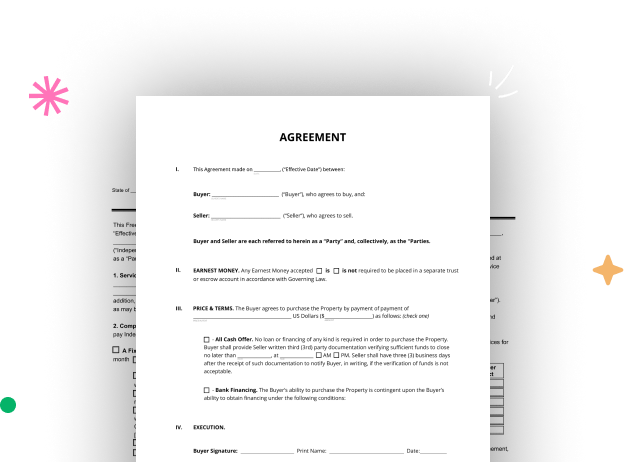

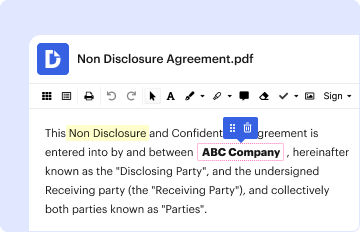

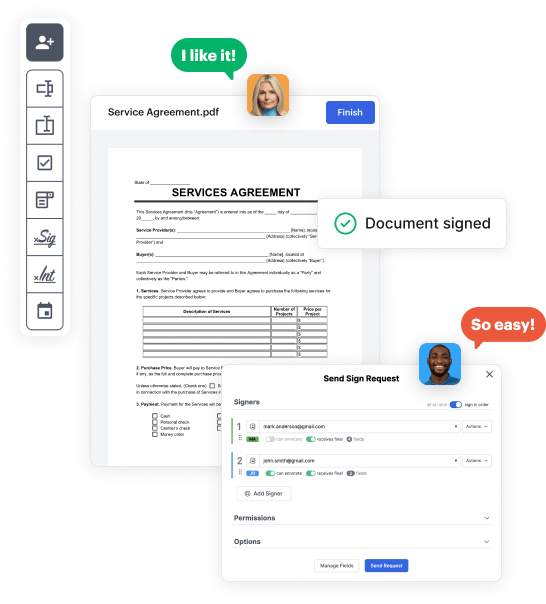
Create your Legal Sample Letter from scratch

Start Building Now
Title decoration

Here's how it works

01. Start with a blank Legal Sample Letter
Open the blank document in the editor, set the document view, and add extra pages if applicable.
02. Add and configure fillable fields
Use the top toolbar to insert fields like text and signature boxes, radio buttons, checkboxes, and more. Assign users to fields.
03. Distribute your form
Share your Legal Sample Letter in seconds via email or a link. You can also download it, export it, or print it out.

A simple tutorial on how to build a professional-looking Legal Sample Letter

Form edit decoration

Step 1: Sign in to DocHub to begin creating your Legal Sample Letter.

First, sign in to your DocHub account. If you don't have one, you can easily sign up for free.

Step 2: Go to the dashboard.

Once signed in, head to your dashboard. This is your primary hub for all document-centric activities.

Step 3: Start new document creation.

In your dashboard, choose New Document in the upper left corner. Choose Create Blank Document to put together the Legal Sample Letter from the ground up.

Step 4: Insert template fillable areas.

Add numerous fields like text boxes, photos, signature fields, and other interactive areas to your template and designate these fields to intended individuals as necessary.

Step 5: Fine-tune your template.

Customize your form by incorporating guidelines or any other required information using the text option.

Step 6: Go over and correct the document.

Thoroughly review your created Legal Sample Letter for any mistakes or needed adjustments. Take advantage of DocHub's editing tools to polish your template.

Step 7: Send out or download the template.

After finalizing, save your file. You may choose to retain it within DocHub, transfer it to various storage platforms, or forward it via a link or email.


be ready to get more

Build your Legal Sample Letter in minutes

Start creating now

Got questions?

We have answers to the most popular questions from our customers. If you can't find an answer to your question, please contact us.
Contact us
While its technically possible to write a demand letter yourself, there are docHub advantages to seeking the guidance of a legal professional. Heres why. Professional expertise. An attorney specialized in personal injury law understands the nuances of relevant statutes, case law, and procedural requirements.
A well-crafted legal letter should include several key components. These include a clear and concise subject line, a salutation that properly addresses the recipient, a detailed explanation of the legal argument or request, supporting evidence, a professional tone, and a proper closing.
Generally, a representation letter includes details such as the clients name, legal matter details, scope of representation, and the lawyers contact information. The particulars may vary depending on the specific case and purpose of the letter.
Provide guidance on the formatting and layout of a representation letter Begin the letter with the date and the recipients name and address. Include a salutation, such as Dear [Name], Write out the purpose of the letter in the opening sentence. Explain the purpose and the desired outcome of the letter in detail.
Sample Attorney Termination Letter Dear [name of lawyer or law firm], Thank you for representing me in my case. However, I have decided to hire a different lawyer. For that reason, I no longer want [name of law firm] to represent me. Please send me a copy of my complete file related to the case.
be ready to get more

Build your Legal Sample Letter in minutes

Start creating now

Related Q&A to Legal Sample Letter

Formal Salutation: Start with a formal salutation. If you know the attorneys name, the most common and respectful way is to use Dear followed by their title and surname. For example, Dear Mr. Smith or Dear Ms.
The sections of a legal business letter are: Senders address (if not included in the letterhead) Date of correspondence. Recipients address. Caption (RE: Topic of the correspondence) Salutation. Introduction. Body of letter (Limited to two or three points, each in its own paragraph) Closing.
The letter should be signed by those members of management with overall responsibility for financial and operating matters whom the auditor believes are responsible for and knowledgeable about, directly or through others in the organization, the matters covered by the representations.

Additional resources on building your forms