
Create your Legal Process Document from scratch

Start Building Now
Title decoration

Here's how it works

01. Start with a blank Legal Process Document
Open the blank document in the editor, set the document view, and add extra pages if applicable.
02. Add and configure fillable fields
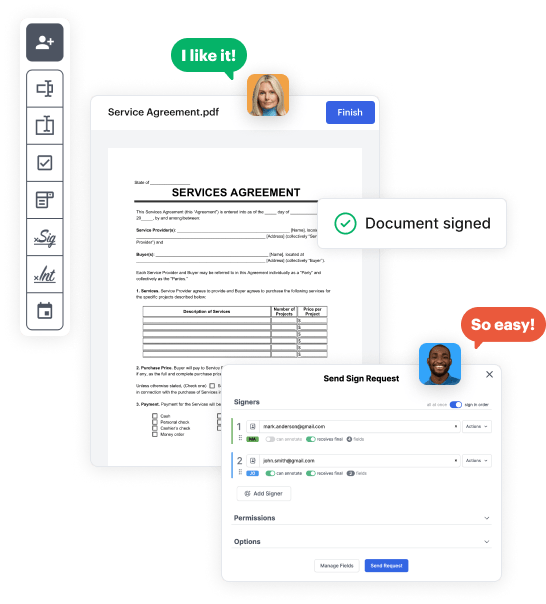
Use the top toolbar to insert fields like text and signature boxes, radio buttons, checkboxes, and more. Assign users to fields.
03. Distribute your form
Share your Legal Process Document in seconds via email or a link. You can also download it, export it, or print it out.

A brief tutorial on how to create a professional-looking Legal Process Document

Form edit decoration

Step 1: Sign in to DocHub to create your Legal Process Document.

First, sign in to your DocHub account. If you don't have one, you can easily register for free.

Step 2: Go to the dashboard.

Once signed in, go to your dashboard. This is your primary hub for all document-based tasks.

Step 3: Launch new document creation.

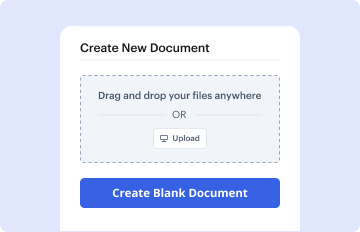
In your dashboard, hit New Document in the upper left corner. Choose Create Blank Document to create the Legal Process Document from a blank slate.

Step 4: Incorporate form elements.

Add different fields like text boxes, images, signature fields, and other elements to your form and designate these fields to specific individuals as required.

Step 5: Personalize your document.

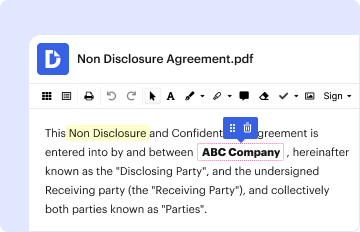
Refine your template by adding instructions or any other essential details leveraging the text option.

Step 6: Review and correct the document.

Attentively review your created Legal Process Document for any typos or necessary adjustments. Make use of DocHub's editing capabilities to polish your document.

Step 7: Distribute or download the document.

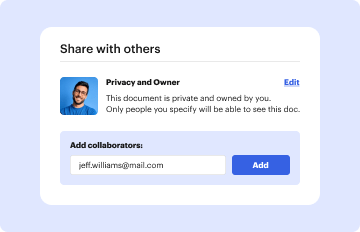
After completing, save your copy. You can choose to retain it within DocHub, transfer it to various storage services, or send it via a link or email.


be ready to get more

Build your Legal Process Document in minutes

Start creating now

Got questions?

We have answers to the most popular questions from our customers. If you can't find an answer to your question, please contact us.
Contact us
Create process documentation easily Step 1: Create a brief description of the process. Step 2: Define specific process boundaries. Step 3: Determine inputs and outputs. Step 4: Decide process steps. Step 5: Communicate with your team. Step 6: Prepare a process flowchart. Step 7: Take note of process exceptions.
Document Management Systems (DMS) refer to software applications or platforms designed to store, organize, and manage electronic documents within a legal context.
Important points to include in a legal document. Party details. List the names, numbers, addresses (email or physical), and any other relevant information of all parties involved. Background information. Motion. Roles and responsibilities. BdocHubes or contingencies. Dates and signatures.
Legal document management systems use automated processes to improve the efficiency of document-related processes. These systems categorize documents based on their type, case, and client to store them in what one would call an electronic filing cabinet.
To be considered legally valid, a contract must meet certain criteria, such as mutual assent, consideration, capacity, and a legal purpose. However, it is possible to create a legal contract without hiring a lawyer. Seeking lawyers is customary but not necessary.
be ready to get more

Build your Legal Process Document in minutes

Start creating now

Related Q&A to Legal Process Document

Document Processing is defined as the procedure involved in the conversion of physical documents and the related forms into digitized form with the data extraction, thereby arranging it to a relevant structured format. Documents are of various formats, file types, and include value-specific information.
Legal document management is creating, organizing, storing, securing, and retrieving legal documents. It includes contracts, agreements, court filings, pleadings, discovery documents, and other materials necessary to support legal cases and transactions.
Legal word processors scan, clean and repair documents, as well as transcribing notes and dictation from Lawyers to produce correspondence, pleadings and other legal documents. They may report to the senior/executive legal secretary.

Additional resources on building your forms


