
Create your Legal Parenting Form from scratch

Start Building Now
Title decoration

Here's how it works

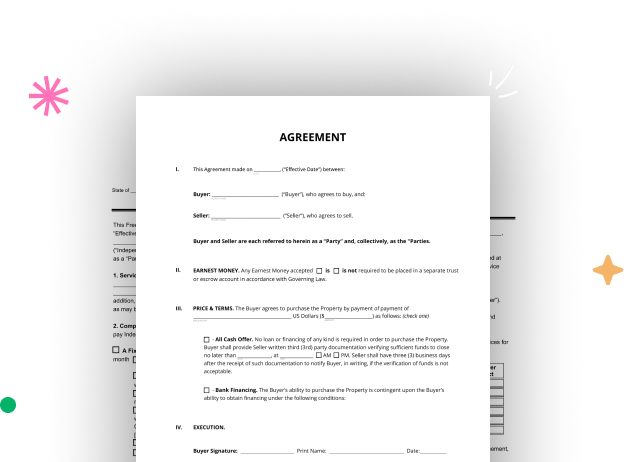
01. Start with a blank Legal Parenting Form
Open the blank document in the editor, set the document view, and add extra pages if applicable.
02. Add and configure fillable fields
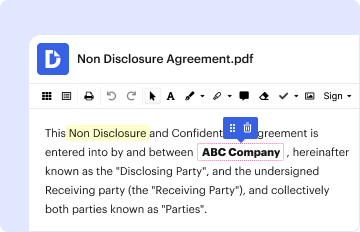
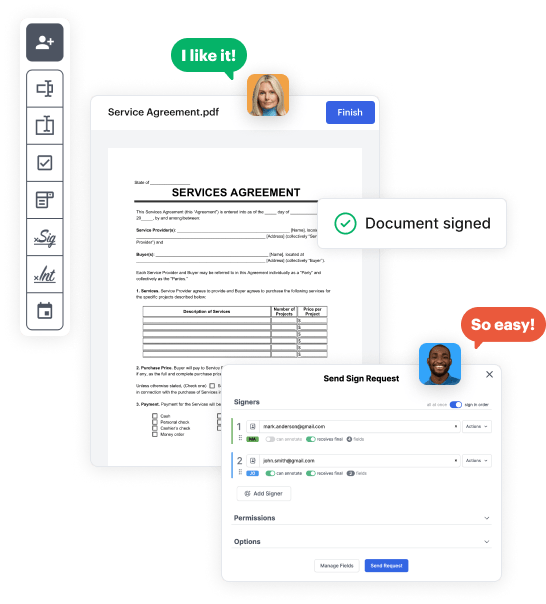
Use the top toolbar to insert fields like text and signature boxes, radio buttons, checkboxes, and more. Assign users to fields.
03. Distribute your form
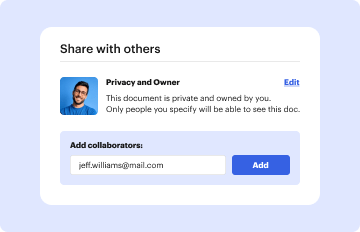
Share your Legal Parenting Form in seconds via email or a link. You can also download it, export it, or print it out.

Create Legal Parenting Form from scratch with these detailed guidelines

Form edit decoration

Step 1: Start off by launching DocHub.

Start by creating a free DocHub account using any available sign-up method. Simply log in if you already have one.

Step 2: Sign up for a 30-day free trial.

Try out the complete collection of DocHub's advanced features by signing up for a free 30-day trial of the Pro plan and proceed to craft your Legal Parenting Form.

Step 3: Start with a new blank doc.

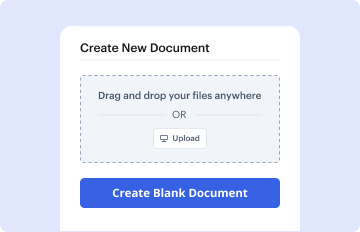
In your dashboard, hit the New Document button > scroll down and hit Create Blank Document. You will be redirected to the editor.

Step 4: Arrange the view of the document.

Utilize the Page Controls icon indicated by the arrow to switch between two page views and layouts for more convenience.

Step 5: Start inserting fields to create the dynamic Legal Parenting Form.

Navigate through the top toolbar to add document fields. Add and configure text boxes, the signature block (if applicable), insert images, etc.

Step 6: Prepare and customize the added fields.

Configure the fillable areas you added based on your preferred layout. Modify the size, font, and alignment to make sure the form is easy to use and polished.

Step 7: Finalize and share your document.

Save the completed copy in DocHub or in platforms like Google Drive or Dropbox, or craft a new Legal Parenting Form. Send out your form via email or utilize a public link to reach more people.


be ready to get more

Build your Legal Parenting Form in minutes

Start creating now

Got questions?

We have answers to the most popular questions from our customers. If you can't find an answer to your question, please contact us.
Contact us
The law in Tennessee dictates that the court will consider the custody and visitation preferences of a child who is over the age of 12. However, this does not mean that the court does not also have the discretion to take into account the preferences of a child under the age of 12.
The first step is for the parent to submit a petition to modify to the court. The petition will contain the parents proposed modifications. If both parties agree to the modification, they can submit a modification agreement outlining a new parenting plan for the court to ratify and approve.
A letter of agreement between two parents should clearly state the terms of their co-parenting arrangement, including custody, visitation, decision-making responsibilities, and financial obligations. Both parents should sign the letter, which should be docHubd to ensure enforceability.
Filing fees for divorce and separation cases cost between $200 and $400. For custody and paternity, costs range from $100 to $160. If you cannot afford to pay, you can file a Request to Postpone Filing Fees.
When filing a parenting plan, you must pay a filing fee and a photocopying fee. You may also need to pay a fee to have the other spouse served with the paperwork. While the filing fee can cost anywhere from $200 to $350, you can file a special form to avoid the fee if you cannot afford to pay it.
be ready to get more

Build your Legal Parenting Form in minutes

Start creating now

Related Q&A to Legal Parenting Form

Changing or modifying your parenting plan or otherwise changing custody in Tennessee after a divorce requires asking the Court for a modification. In order to qualify for a modification of custody, the parent seeking the change must prove a change of circumstances which materially alters the childs well-being.
A material change of circumstance for purposes of modification of a residential parenting schedule may include, but is not limited to, docHub changes in the needs of the child over time, which may include changes relating to age; docHub changes in the parents living or working condition that docHubly

Additional resources on building your forms


