Create your Legal Notice Document from scratch

Start Building Now
Title decoration

Here's how it works

01. Start with a blank Legal Notice Document
Open the blank document in the editor, set the document view, and add extra pages if applicable.
02. Add and configure fillable fields
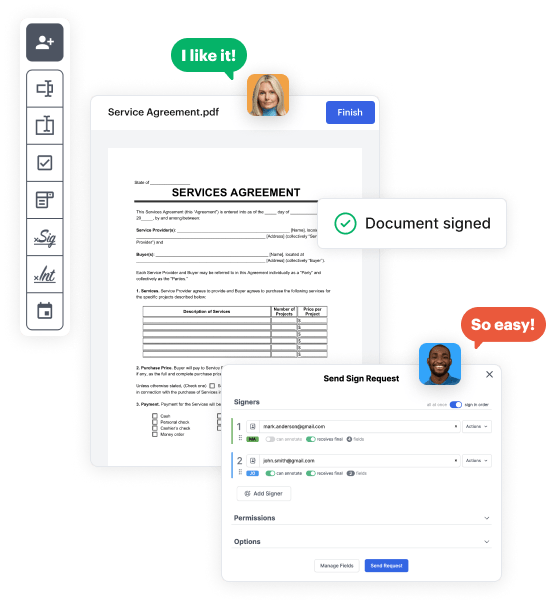
Use the top toolbar to insert fields like text and signature boxes, radio buttons, checkboxes, and more. Assign users to fields.
03. Distribute your form
Share your Legal Notice Document in seconds via email or a link. You can also download it, export it, or print it out.

A detailed guide on how to design your Legal Notice Document online
Form edit decoration

Step 1: Start with DocHub's free trial.

Navigate to the DocHub website and sign up for the free trial. This provides access to every feature you’ll need to create your Legal Notice Document without any upfront cost.

Step 2: Access your dashboard.

Log in to your DocHub account and navigate to the dashboard.

Step 3: Initiate a new document.

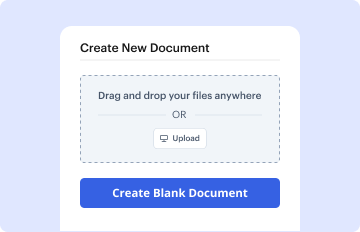
Click New Document in your dashboard, and choose Create Blank Document to craft your Legal Notice Document from the ground up.

Step 4: Use editing tools.

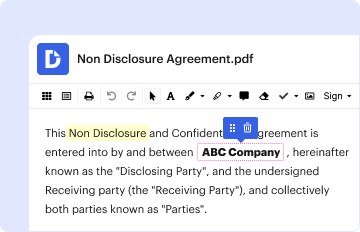
Add various fields such as text boxes, radio buttons, icons, signatures, etc. Organize these elements to match the layout of your form and assign them to recipients if needed.

Step 5: Organize the form layout.

Rearrange your form quickly by adding, moving, removing, or merging pages with just a few clicks.

Step 6: Set up the Legal Notice Document template.

Turn your newly designed form into a template if you need to send multiple copies of the same document repeatedly.

Step 7: Save, export, or share the form.

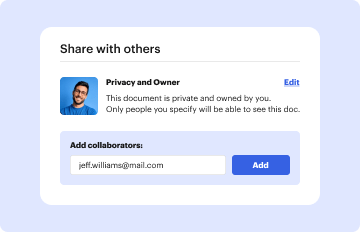
Send the form via email, share a public link, or even publish it online if you want to collect responses from a broader audience.


be ready to get more

Build your Legal Notice Document in minutes

Start creating now

Got questions?

We have answers to the most popular questions from our customers. If you can't find an answer to your question, please contact us.
Contact us
In the first example, the tenant must give written notice to the landlord before moving out. In the second example, anyone who wants to buy a property is considered to have notice of a judgment lien on that property. In the third example, a notice of sale is posted in a public place to inform people about the sale.
Written Notice means a notice or communication in writing and shall be deemed to have been duly served if delivered in persons to the individual or to a member of the contractors firm or to an office of the company for whom it is intended, or if delivered at or sent by registered mail to the last business address known
Generally, this is due within 30 days after you were served. If you dont, the plaintiff can ask for a default. If theres a default, the court wont let you file an Answer and can decide the case without you.
A legal notice is a formal message sent from one party to another to inform them of a legal claim. A legal notice typically demands action from the recipient, like paying a debt or ceasing a specific behavior.
The legal notice is a formal and written legal document that is drafted on legal terms and conditions by an aggrieved party who has suffered some type of civil injury and is sent to the opposite party.
be ready to get more

Build your Legal Notice Document in minutes

Start creating now

Related Q&A to Legal Notice Document

Notice is the constitutional requirement that a party being brought into court be informed of the controversy. Due Process clauses of the United States Constitution prohibit courts from hearing a case that could adversely affect a partys interest unless that party has been given proper notice.
A legal notice is a formal written document that serves as a crucial communication tool in the legal landscape. It aims to inform individuals or entities about legal actions, rights, obligations, and responsibilities.
Important points to include in a legal document. Party details. List the names, numbers, addresses (email or physical), and any other relevant information of all parties involved. Background information. Motion. Roles and responsibilities. BdocHubes or contingencies. Dates and signatures.

Additional resources on building your forms