
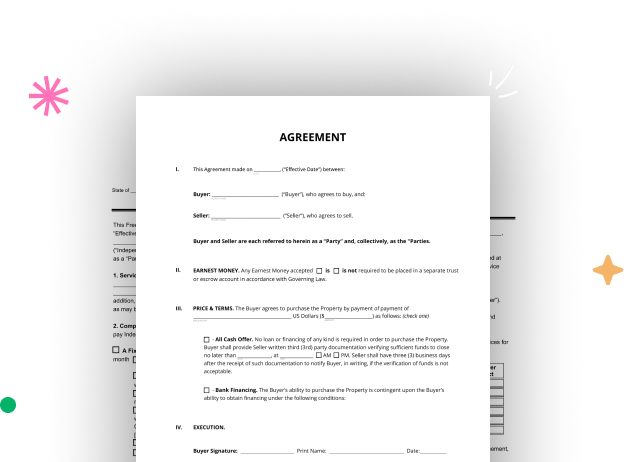
Create your Legal Forestry Contract from scratch

Start Building Now
Title decoration

Here's how it works

01. Start with a blank Legal Forestry Contract
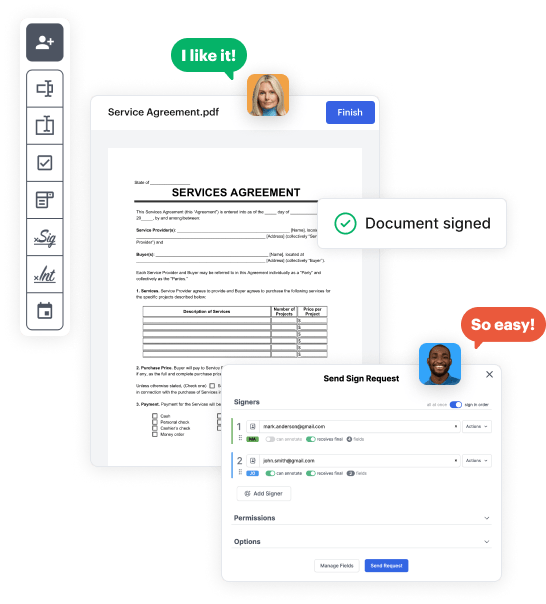
Open the blank document in the editor, set the document view, and add extra pages if applicable.
02. Add and configure fillable fields
Use the top toolbar to insert fields like text and signature boxes, radio buttons, checkboxes, and more. Assign users to fields.
03. Distribute your form
Share your Legal Forestry Contract in seconds via email or a link. You can also download it, export it, or print it out.

Build Legal Forestry Contract from the ground up with these step-by-step guidelines

Form edit decoration

Step 1: Get started with DocHub.

Start by setting up a free DocHub account using any available sign-up method. Simply log in if you already have one.

Step 2: Sign up for a free 30-day trial.

Try out the whole set of DocHub's pro tools by registering for a free 30-day trial of the Pro plan and proceed to build your Legal Forestry Contract.

Step 3: Create a new blank document.

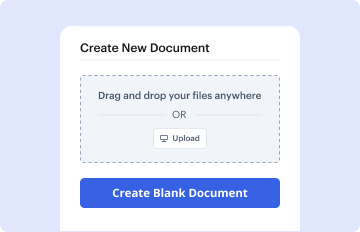
In your dashboard, select the New Document button > scroll down and choose to Create Blank Document. You’ll be redirected to the editor.

Step 4: Arrange the view of the document.

Utilize the Page Controls icon marked by the arrow to switch between different page views and layouts for more flexibility.

Step 5: Start adding fields to design the dynamic Legal Forestry Contract.

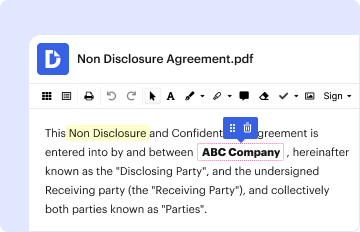
Explore the top toolbar to place document fields. Add and format text boxes, the signature block (if applicable), add photos, and other elements.

Step 6: Prepare and configure the incorporated fields.

Arrange the fields you incorporated per your desired layout. Adjust the size, font, and alignment to ensure the form is straightforward and neat-looking.

Step 7: Finalize and share your document.

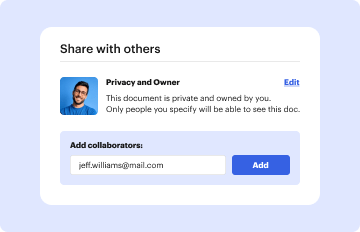
Save the ready-to-go copy in DocHub or in platforms like Google Drive or Dropbox, or create a new Legal Forestry Contract. Share your form via email or utilize a public link to engage with more people.


be ready to get more

Build your Legal Forestry Contract in minutes

Start creating now

Got questions?

We have answers to the most popular questions from our customers. If you can't find an answer to your question, please contact us.
Contact us
The Timber Yield Tax is a property tax paid by timber owners when they harvest trees, or timber. The California Department of Tax and Fee Administration (CDTFA) administers and collects the Timber Yield Tax, which, after state administrative costs, is allocated to the counties where the timber was harvested.
Under New Yorks homestead protection law, the amount property owners may declare exempt varies based on county location and range from $75,000 to $150,000.
Forest management is beneficial to both the forest land and its owner. If you own at least 50 contiguous acres of forest land, and are willing to follow one of our custom DEC-authorized forest management plans, you can save money annually via tax exemption due to a law called 480-a Forest Tax Law.
logging, process of harvesting trees, sawing them into appropriate lengths (bucking), and transporting them (skidding) to a sawmill. The different phases of this process vary with local conditions and technology. In the 19th century logging was a hand process, and in some parts of the world it has remained one.
1. : the value of standing timber. 2. : uncut marketable timber. also : the right to cut it.
be ready to get more

Build your Legal Forestry Contract in minutes

Start creating now

Related Q&A to Legal Forestry Contract

The basic fundamentals of a legally binding contract are that it must include an offer outlining what will be provided and an acceptance of that offer. There must also be something of value exchanged, which could be a service, sale of goods, money, or even a promise to provide one of these things.
The exemption allowed under Section 480-a is either 80 percent of the assessed value of the eligible land, or any assessed value in excess of $40/acre (equalized), whichever is less.
A written timber sale agreement or contract is generally the preferable and safest method of selling timber. A written contract is a legally binding document that protects both the buyer and the seller (the landowner) from misunderstandings that may develop in the absence of such an agreement.
Stumpage is the price a private firm pays for the right to harvest timber from a given land base. It is paid to the current owner of the land. Historically, the price was determined on a basis of the number of trees harvested, or per stump.
This contract is between two parties who intend to buy or sell a specified amount of product at a specific time in the future. Lumber futures are traded at the CME (Chicago Mercantile Exchange). CME is the first exchange that offers price protection to the forest products industry.

Additional resources on building your forms


