
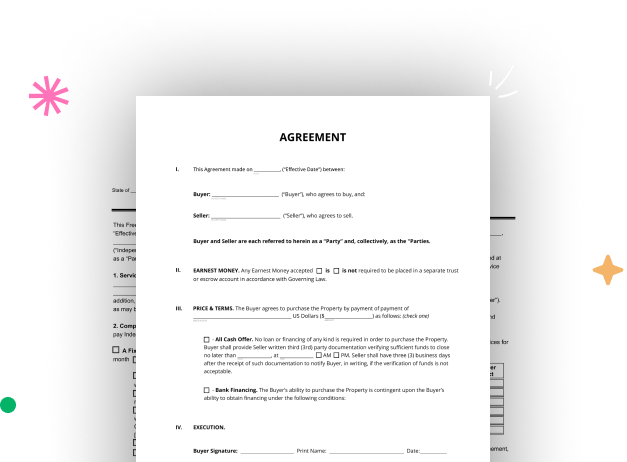

Create your Legal Estate Form from scratch

Start Building Now
Title decoration

Here's how it works

01. Start with a blank Legal Estate Form
Open the blank document in the editor, set the document view, and add extra pages if applicable.
02. Add and configure fillable fields
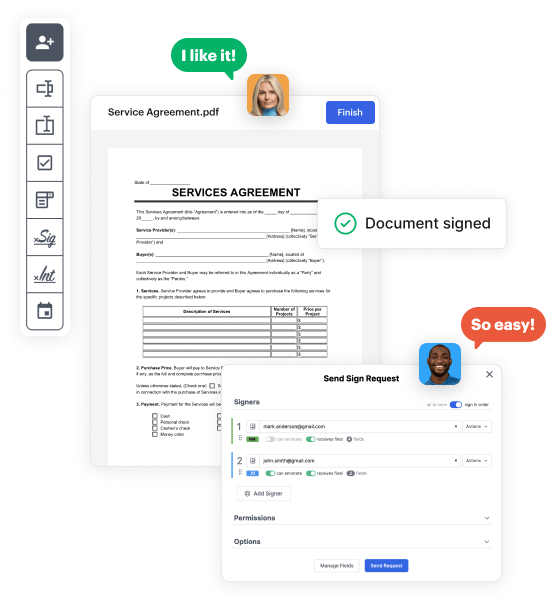
Use the top toolbar to insert fields like text and signature boxes, radio buttons, checkboxes, and more. Assign users to fields.
03. Distribute your form
Share your Legal Estate Form in seconds via email or a link. You can also download it, export it, or print it out.

Craft Legal Estate Form from the ground up with these step-by-step guidelines

Form edit decoration

Step 1: Open DocHub and get going.

Start by signing up for a free DocHub account using any available sign-up method. Simply log in if you already have one.

Step 2: Sign up for a 30-day free trial.

Try out the whole set of DocHub's pro features by signing up for a free 30-day trial of the Pro plan and proceed to craft your Legal Estate Form.

Step 3: Add a new empty doc.

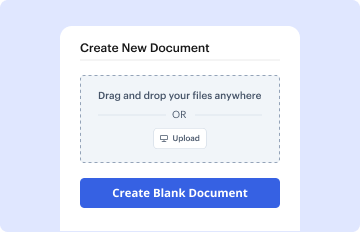
In your dashboard, select the New Document button > scroll down and choose to Create Blank Document. You will be redirected to the editor.

Step 4: Arrange the view of the document.

Utilize the Page Controls icon indicated by the arrow to toggle between different page views and layouts for more flexibility.

Step 5: Begin by adding fields to design the dynamic Legal Estate Form.

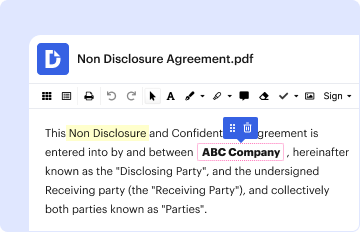
Navigate through the top toolbar to add document fields. Insert and format text boxes, the signature block (if applicable), embed images, etc.

Step 6: Prepare and configure the incorporated fields.

Organize the fillable areas you incorporated based on your desired layout. Modify each field's size, font, and alignment to ensure the form is user-friendly and neat-looking.

Step 7: Finalize and share your template.

Save the ready-to-go copy in DocHub or in platforms like Google Drive or Dropbox, or design a new Legal Estate Form. Send out your form via email or use a public link to reach more people.


be ready to get more

Build your Legal Estate Form in minutes

Start creating now

Got questions?

We have answers to the most popular questions from our customers. If you can't find an answer to your question, please contact us.
Contact us
Since 1787, wills and other papers relating to the estates of deceased persons have been filed in and retained by the Surrogates Court in each county of the state. To obtain information regarding an individuals estate, contact the Surrogates Court in the county where the individual resided.
Wills in New York are regarded to be public records, meaning that everyone with the proper information can access them. In New York, a will is a prison document that states how an individuals property and property have to be distributed after they pass away.
The executor must file the original will and a certified copy of the death certificate with the probate petition and other supporting documents in the Surrogates Court of the county where the deceased person lived. There is a filing fee based on the size of the estate.
Do I Need to Register the Will with a Court After I have Executed it? In New York, there is no official place to register Wills. If a testator wants, they can file the Will with the Surrogates Court of the County where they reside for safekeeping.
Do it yourself Do it yourself / Full name
be ready to get more

Build your Legal Estate Form in minutes

Start creating now

Related Q&A to Legal Estate Form

A probate attorney or estate planning attorney is not required but may help you to navigate any legal challenges. The legal process in a New York State Surrogates Court that secures the right to serve as an estates fiduciary is a probate proceeding.
Only certain individuals have the legal right to obtain a copy of the Will. These typically include: Beneficiaries: If you are named as a beneficiary in the will, you have the right to obtain a copy. Executors: If you are named as the executor of the will, you have the right to access and obtain a copy.
DIY Forms are free and easy guided step by step computer programs that ask the litigant a series of questions then use the answers to prepare personalized court forms that are ready to serve and file. Some programs identify issues and produce information sheets.

Additional resources on building your forms