

Create your Legal Easement Agreement from scratch

Start Building Now
Title decoration

Here's how it works

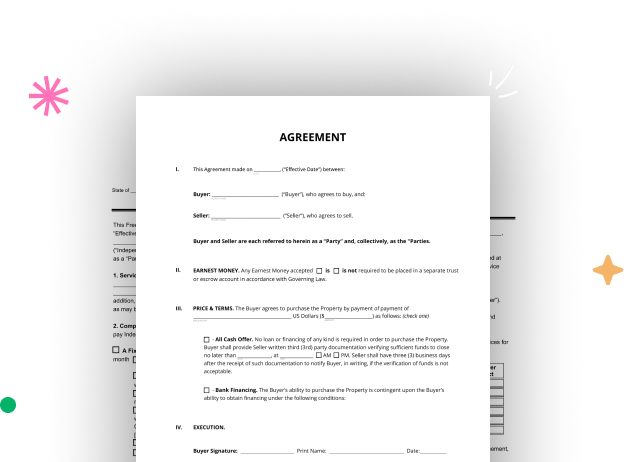
01. Start with a blank Legal Easement Agreement
Open the blank document in the editor, set the document view, and add extra pages if applicable.
02. Add and configure fillable fields
Use the top toolbar to insert fields like text and signature boxes, radio buttons, checkboxes, and more. Assign users to fields.
03. Distribute your form
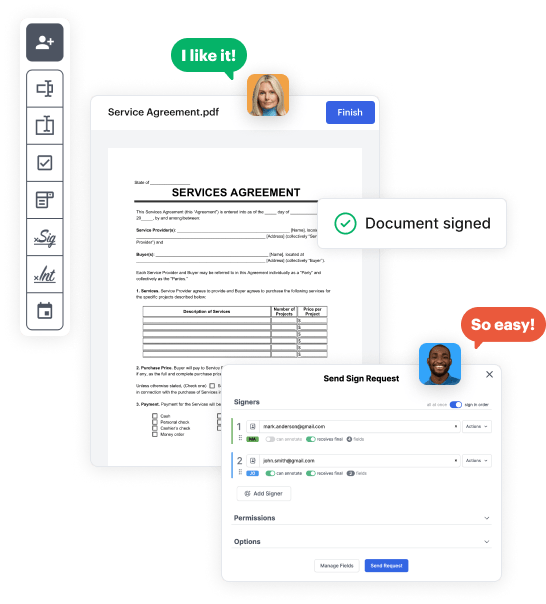
Share your Legal Easement Agreement in seconds via email or a link. You can also download it, export it, or print it out.

Craft Legal Easement Agreement from scratch with these step-by-step guidelines

Form edit decoration

Step 1: Get started with DocHub.

Begin by setting up a free DocHub account using any offered sign-up method. Simply log in if you already have one.

Step 2: Register for a free 30-day trial.

Try out the whole suite of DocHub's pro tools by signing up for a free 30-day trial of the Pro plan and proceed to build your Legal Easement Agreement.

Step 3: Create a new empty doc.

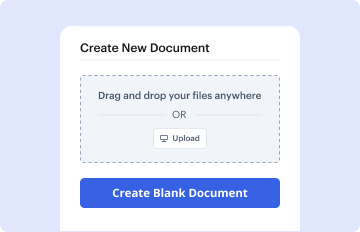
In your dashboard, select the New Document button > scroll down and choose to Create Blank Document. You’ll be taken to the editor.

Step 4: Arrange the view of the document.

Utilize the Page Controls icon indicated by the arrow to toggle between different page views and layouts for more convenience.

Step 5: Start inserting fields to create the dynamic Legal Easement Agreement.

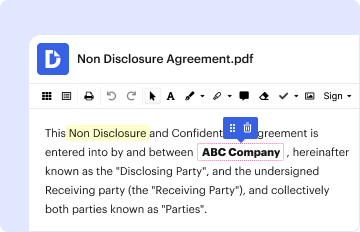
Navigate through the top toolbar to add document fields. Add and arrange text boxes, the signature block (if applicable), add photos, and other elements.

Step 6: Prepare and customize the added fields.

Arrange the fillable areas you added per your chosen layout. Adjust each field's size, font, and alignment to ensure the form is user-friendly and professional.

Step 7: Finalize and share your document.

Save the completed copy in DocHub or in platforms like Google Drive or Dropbox, or design a new Legal Easement Agreement. Share your form via email or get a public link to engage with more people.


be ready to get more

Build your Legal Easement Agreement in minutes

Start creating now

Got questions?

We have answers to the most popular questions from our customers. If you can't find an answer to your question, please contact us.
Contact us
Temporary Sewer Easements are typically an additional 20 feet outside of the permanent easement with 10 feet on each side of the 20 feet wide permanent easement. The combined width of a temporary and permanent easement is typically 40 feet.
You can use a utility easement for almost anything that you use your yard for. You can plant gardens and bushes, landscape and construct fences. However, anything that is in the easement when a Utility has to perform maintenance on their facilities may have to be removed.
4 Types of Easements Express Easements. Implied Easement by Existing Use. Easement by Necessity. Prescriptive Easement.
Implied Easement Elements​ There must be a common ownership of a parcel and a transfer or conveyance of one parcel, or a portion of a parcel, to another. Prior to the division of title, there must have been an existing obvious, and apparently permanent, use of the quasi-easement by the common owner.
Easement by implication That means you can often use the neighboring parcel in a limited way to access your parcel. This is sometimes known as a driveway easement in Georgia. The easement can last as long as its the only way to reasonably access the landlocked property.
be ready to get more

Build your Legal Easement Agreement in minutes

Start creating now

Related Q&A to Legal Easement Agreement

The Court held that an easement for a broad grant of right of way use is limited only by its reasonable use based upon the scope set forth in the written agreement and not its historical use through the parties course of conduct.
Depending on the circumstances, you may or may not be able to prevent the taking of an easement on your property. Some property easements are nearly impossible to block. That may seem unfair, and the effects can be devastating to the property owner, depending on the circumstances and nature of the easement.
ing to Georgia state law, the property owner is generally responsible for maintaining the easement such as by not allowing debris or trash to accumulate in the easement area.

Additional resources on building your forms


