
Create your Legal Documents for Rental Property from scratch

Start Building Now
Title decoration

Here's how it works

01. Start with a blank Legal Documents for Rental Property
Open the blank document in the editor, set the document view, and add extra pages if applicable.
02. Add and configure fillable fields
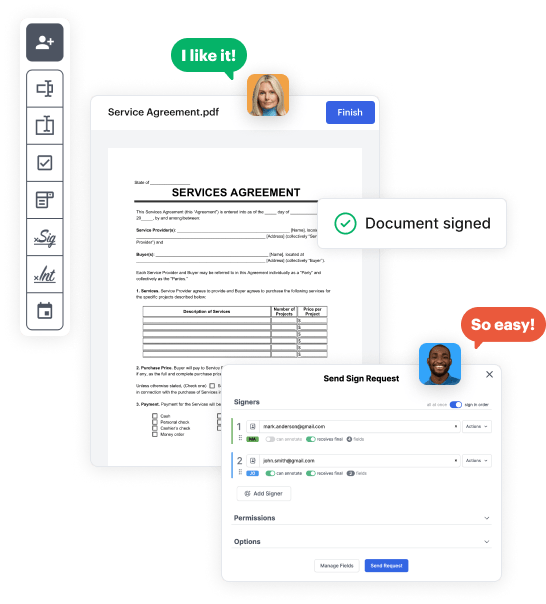
Use the top toolbar to insert fields like text and signature boxes, radio buttons, checkboxes, and more. Assign users to fields.
03. Distribute your form
Share your Legal Documents for Rental Property in seconds via email or a link. You can also download it, export it, or print it out.

Create Legal Documents for Rental Property from the ground up with these comprehensive instructions

Form edit decoration

Step 1: Get started with DocHub.

Start by signing up for a free DocHub account using any offered sign-up method. If you already have one, simply log in.

Step 2: Sign up for a 30-day free trial.

Try out the complete collection of DocHub's advanced tools by signing up for a free 30-day trial of the Pro plan and proceed to craft your Legal Documents for Rental Property.

Step 3: Create a new blank document.

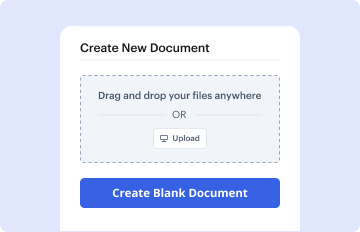
In your dashboard, click the New Document button > scroll down and hit Create Blank Document. You will be redirected to the editor.

Step 4: Arrange the view of the document.

Utilize the Page Controls icon marked by the arrow to switch between two page views and layouts for more flexibility.

Step 5: Begin by adding fields to create the dynamic Legal Documents for Rental Property.

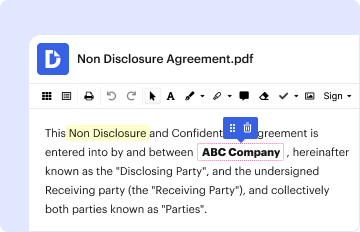
Navigate through the top toolbar to place document fields. Insert and arrange text boxes, the signature block (if applicable), embed images, etc.

Step 6: Prepare and configure the incorporated fields.

Configure the fields you incorporated per your preferred layout. Adjust each field's size, font, and alignment to make sure the form is user-friendly and polished.

Step 7: Finalize and share your template.

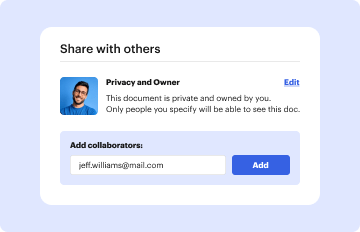
Save the ready-to-go copy in DocHub or in platforms like Google Drive or Dropbox, or create a new Legal Documents for Rental Property. Distribute your form via email or get a public link to reach more people.


be ready to get more

Build your Legal Documents for Rental Property in minutes

Start creating now

Got questions?

We have answers to the most popular questions from our customers. If you can't find an answer to your question, please contact us.
Contact us
Tenants have the right to privacy in their rented homes and can refuse entry to landlords who do not provide proper notice or have an illegitimate reason for entry. If this right is violated, tenants can take legal action to prevent continued violations and potentially seek damages.
the landlord of an intention not to renew the lease. (General Obligations Law 5-905). If you have lived in your apartment for less than one year, or have a lease for less than one year, your landlord must provide you with 30 days advanced notice before raising your rent or not renewing your lease.
Tenants without a lease agreement also have the right to privacy. The landlord cannot enter your rental property without your consent, except in emergencies or other legally allowed circumstances. The landlord must provide reasonable notice before entering the rental property for repairs, inspections, or other reasons.
While tenants in New York City are generally not legally required to give their landlord a key to their apartment, it is important to understand any provisions related to this in your lease agreement. Consider your personal circumstances and relationship with your landlord before deciding whether to give them a key.
What are the responsibilities of my landlord? Owners must ensure that buildings are safe, clean and well maintained, in both common areas and in individual apartments. Among other responsibilities, owners must provide and maintain security measures, heat, hot and cold water, and good lighting.
be ready to get more

Build your Legal Documents for Rental Property in minutes

Start creating now

Related Q&A to Legal Documents for Rental Property

New York allows tenants to refuse viewings at any time, including during the leases final month. Landlord entry for the purpose of showing the property requires the tenants explicit consent. Without it, the landlord must obtain a court order to legally conduct viewings.
If a tenant is out of the rental apartment for a couple of days, their pets still need care, plants need watering, and all belongings need security. For these types of scenarios, landlords should allow their tenants to share keys with someone else whom they trust.
Waiving the Warranty of Habitability (Real Property Law 235-b); and. Restricting a tenant from living with their immediate family members and/or one additional occupant and the occupants dependent children (Real Property Law 235-f).

Additional resources on building your forms


