

Create your Legal Documents for HVAC Contractor from scratch

Start Building Now
Title decoration

Here's how it works

01. Start with a blank Legal Documents for HVAC Contractor
Open the blank document in the editor, set the document view, and add extra pages if applicable.
02. Add and configure fillable fields
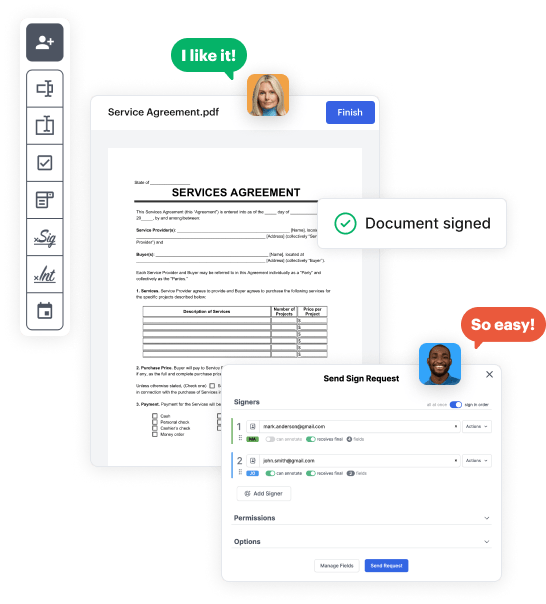
Use the top toolbar to insert fields like text and signature boxes, radio buttons, checkboxes, and more. Assign users to fields.
03. Distribute your form
Share your Legal Documents for HVAC Contractor in seconds via email or a link. You can also download it, export it, or print it out.

A simple tutorial on how to build a polished Legal Documents for HVAC Contractor

Form edit decoration

Step 1: Log in to DocHub to create your Legal Documents for HVAC Contractor.

First, log in to your DocHub account. If you don't have one, you can simply register for free.

Step 2: Navigate to the dashboard.

Once logged in, navigate to your dashboard. This is your main hub for all document-related operations.

Step 3: Start new document creation.

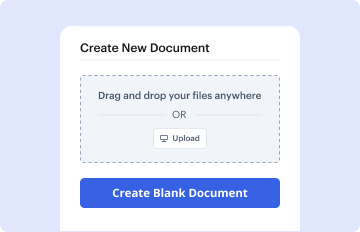
In your dashboard, choose New Document in the upper left corner. Opt for Create Blank Document to design the Legal Documents for HVAC Contractor from scratch.

Step 4: Insert form elements.

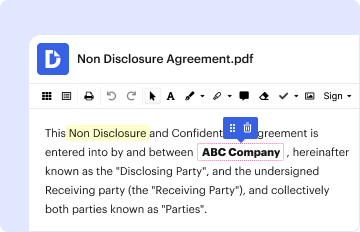
Add various items like text boxes, images, signature fields, and other options to your form and designate these fields to intended recipients as required.

Step 5: Customize your document.

Customize your document by adding instructions or any other crucial details using the text tool.

Step 6: Go over and correct the document.

Meticulously examine your created Legal Documents for HVAC Contractor for any mistakes or needed adjustments. Make use of DocHub's editing capabilities to enhance your document.

Step 7: Share or export the document.

After completing, save your file. You can choose to save it within DocHub, export it to various storage options, or send it via a link or email.


be ready to get more

Build your Legal Documents for HVAC Contractor in minutes

Start creating now

Got questions?

We have answers to the most popular questions from our customers. If you can't find an answer to your question, please contact us.
Contact us
How to Keep Your HVAC System Working Efficiently Get Annual Pre-Season Check-ups. Hire a professional contractor to perform routine maintenance of your equipment. Inspect and Clean or Change Air Filters. a Smart Thermostat. Seal Your Ducts. Other Considerations.
Routine HVAC maintenance includes: Thorough cleaning of coils, drains, and elements. Inspecting connections, motor operations, and thermostat functionality. Monitoring refrigerant pressure. Testing safety controls.
Preventive Maintenance Checklist for Your HVAC System Replace all of your units filters. Check the outside unit, clear any debris, and ensure the cabinet door is closed. Check the cabinet for leaks. To ensure proper airflow, clear any clogs in the drain lines.
The details that you will need to include in the HVAC Contract are: The contact information for your client. How much it will cost and when payment is due. Whether the project will be ongoing or if it will last for a distinct period of time.
What Are the Advantages of Preventive Maintenance? Standard maintenance keeps HVAC systems in excellent working order and has myriad benefits such as: Higher Energy Efficiency and Performance: Neglected HVAC systems can show signs of internal damage and inconsistent heating or cooling.
be ready to get more

Build your Legal Documents for HVAC Contractor in minutes

Start creating now

Related Q&A to Legal Documents for HVAC Contractor

Its recommended that you service your home air conditioning system at least once every year. The same goes for your heating system.
The 7 elements of an effective HVAC business plan Executive summary. The executive summary outlines the broad vision and opportunity for your HVAC business. Market analysis. HVAC services and pricing. Operations plan. Marketing and sales strategy. Company summary. Financial Plan. Go deep with your market research.

Additional resources on building your forms


