
Legal Documents and Forms

Create a new Legal Documents and Form
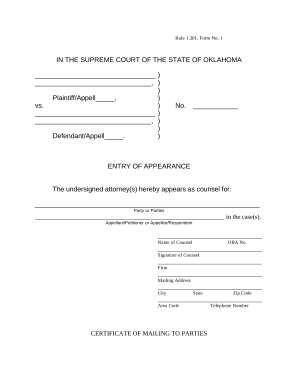
Entry appearance form
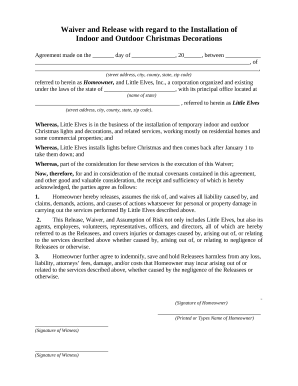
Waiver and Release with Regard to Installation of Indoor and Ourdoor Christmas Decorations
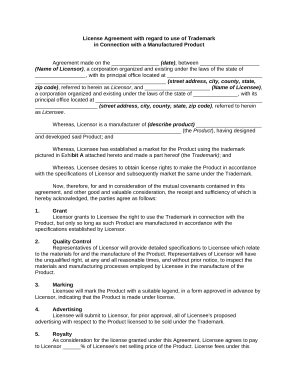
License use trademark agreement
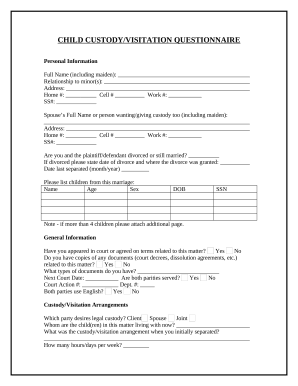
Child custody form
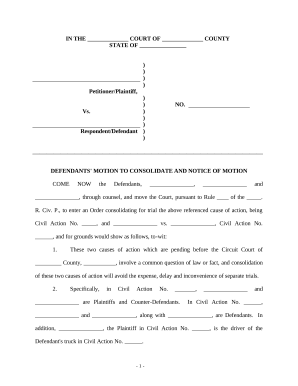
Motion to consolidate form
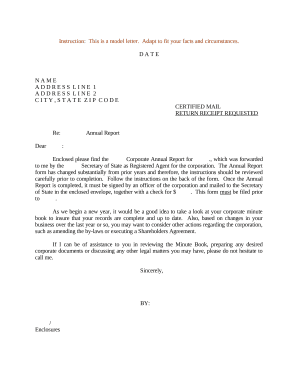
Corporate annual report
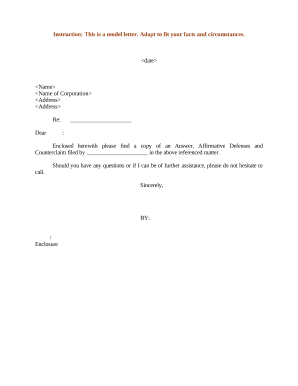
How to file a counterclaim

Interrogatories
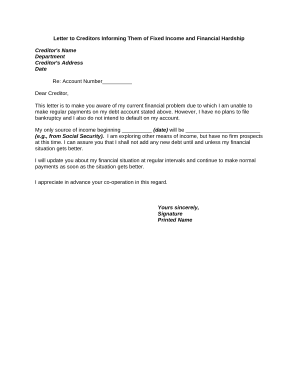
Letter financial hardship

Assignment rights
Sample letter reinstatement
Request for production

Late payment fee
Victim impact statement sample letters
Money paid
Sample letter documents
Disclosure based form
Breach of warranty
Overpayment
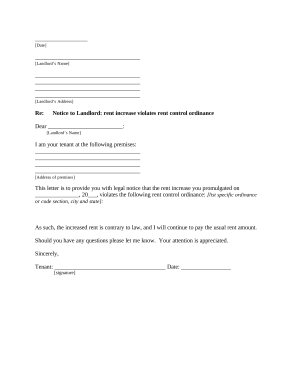
Massachusetts violation
Boost your productivity with Legal Documents and Forms
Record managing occupies to half of your office hours. With DocHub, you can easily reclaim your office time and increase your team's productivity. Access Legal Documents and Forms category and investigate all templates related to your day-to-day workflows.
Effortlessly use Legal Documents and Forms:
- Open Legal Documents and Forms and use Preview to obtain the appropriate form.
- Click Get Form to begin working on it.
- Wait for your form to upload in our online editor and start modifying it.
- Add new fillable fields, symbols, and images, modify pages order, etc.
- Fill your template or prepare it for other contributors.
- Download or deliver the form by link, email attachment, or invite.
Improve your day-to-day file managing using our Legal Documents and Forms. Get your free DocHub account today to discover all templates.
Video Guide on Legal Documents and Forms management

Commonly Asked Questions about Legal Documents and Forms
What format do law papers use?
Most law reviews use the same typeface style, which includes Ordinary Times New Roman, Italics, and SMALL CAPITALS. In court documents, use Ordinary Roman, Italics, and Underlining.
Can you write a legal document without a lawyer?
To be considered legally valid, a contract must meet certain criteria, such as mutual assent, consideration, capacity, and a legal purpose. However, it is possible to create a legal contract without hiring a lawyer. Seeking lawyers is customary but not necessary.
What type of paper should I use for legal documents?
Legal size paper is used for applications such as brochures and legal documents. It is a standardized paper size (English measurement system) in the United States and in other countries which still rely on English-based paper sizes. The legal size paper dimensions are 8.5-inches by 14-inches.
What is the proper formatting for documents?
8 Essential Steps for Formatting a Word Document Pick the right font. Use standard page size and margins. Organize content for readability. Add section breaks. Set up headers, footers, and page numbering. Make sure line and paragraph formatting is consistent. Take advantage of styles for consistency. Keep it simple.
What is a legal form document?
Legal forms address substantive matters, such as forms for contracts, wills, and leases. Pleading and practice forms provide language used in pleadings and motions filed with a court in litigation. These supply language for complaints, answers, motions to dismiss, and other motions.
What font for legal documents?
As a standard font for legal documents, Times New Roman (along with Arial and Helvetica) is one of the most commonly used fonts.
What is an example of legal document?
Some examples include individual contract clauses, licensing agreements, complaints, and interrogatories. Sample documents can be found in a number of places including law firm collections or knowledge management systems, and paid databases such as Lexis and Westlaw.
Examples What are some legal documents?
A legal document is a written instrument that records and formalizes an agreement, obligation, or other legally enforceable act. It is a communication tool in the legal sphere designed to express and enforce rights, responsibilities, or procedures under the law. What is a Legal Document? A Comprehensive Guide - CasePacer casepacer.com resources what-is-a-legal-docu casepacer.com resources what-is-a-legal-docu
What format do legal documents need?
The requirements for paper size can vary by country, but the U.S. follows the American National Standards Institute (ANSI) standards. Unlike the common paper size that most people use day-to-day, which is 8.5 x 11 inches, legal paper is larger at 8.5 x 14 inches. Junior legal size is smaller at 5 x 8 inches.
Related Templates
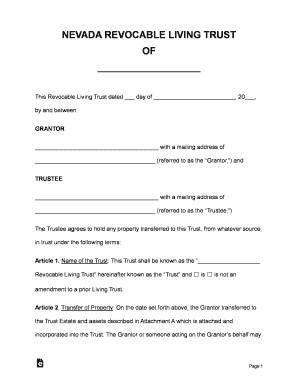
How to Transfer Assets With a Revocable Trust After Death
The document is a Nevada Revocable Living Trust agreement outlining the terms under which the Grantor transfers property ...

APPLICATION FOR APPOINTMENT OF EMERGENCY GUARDIAN R C
The document is an application form for the appointment of an emergency guardian in the Probate Court of Montgomery Coun ...
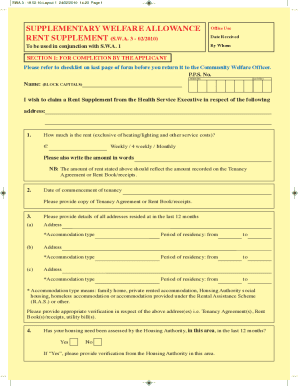
Supplementary welfare allowance rent supplement swa 3 - 022010
The document is a form for applying for a Supplementary Welfare Allowance Rent Supplement from the Health Service Execut ...
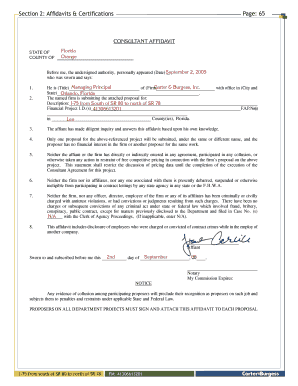
SECTION TWO Affidavits and Certifications
The document outlines various affidavits and certifications required for federal aid contracts, specifically focusing on ...
*+ A %+$ ,*$)5,# and ()5 - aikencountysc
The document appears to be a heavily encoded or corrupted text, making it difficult to extract coherent information or a ...

Multi-Modal Quality of Service Project - Florida Department of - dot state fl
The document titled 'Multi-Modal Level of Service' outlines a project conducted for the Florida Department of Transporta ...

ARCHITECTURAL REVIEW BOARD STAFF REPORT
The document is a staff report for the Architectural Review Board regarding the proposal for a new wall sign for Banfiel ...

Accessory Living Unit Affidavit - Alachua County Growth Management
The document is an affidavit for property owners in Alachua County seeking approval for a building permit to construct a ...


