Handle Legal Disputes easily online

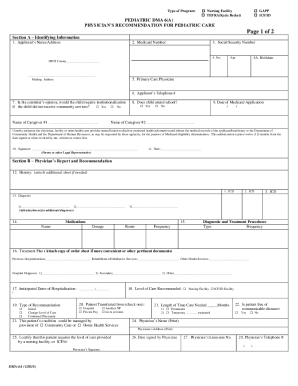
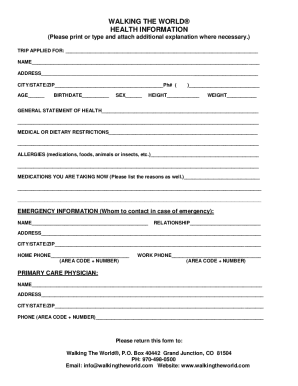
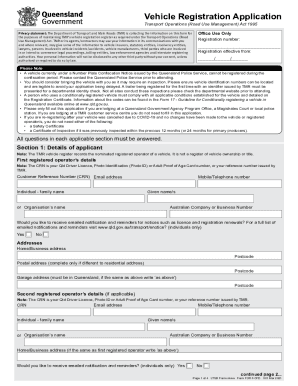
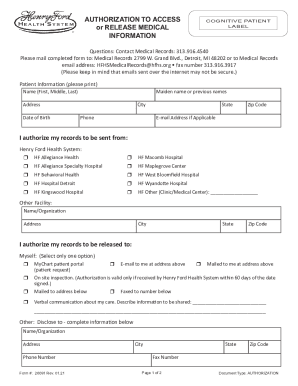
Document managing can overpower you when you can’t find all the documents you require. Fortunately, with DocHub's vast form categories, you can get everything you need and promptly manage it without the need of switching between applications. Get our Legal Disputes and start working with them.

How to use our Legal Disputes using these basic steps:

  1. Browse Legal Disputes and select the form you require.
  2. Preview the template and click on Get Form.
  3. Wait for it to open in our online editor.
  4. Alter your document: include new information and pictures, and fillable fields or blackout certain parts if required.
  5. Fill out your document, preserve changes, and prepare it for sending.
  6. When ready, download your form or share it with your contributors.

Try out DocHub and browse our Legal Disputes category with ease. Get a free account today!

Video Guide on Legal Disputes management

video background

Commonly Asked Questions about Legal Disputes

Federal courts hear cases involving the constitutionality of a law, cases involving the laws and treaties of the U.S. ambassadors and public ministers, disputes between two or more states, admiralty law, also known as maritime law, and bankruptcy cases.
The framers of the U.S. Constitution wanted the federal government to have only limited power. Therefore, they limited the kinds of cases federal courts can decide. Most laws that affect us are passed by state governments, and thus state courts handle most disputes that govern our daily lives.
The courts encourage the use of mediation, arbitration, and other forms of alternative dispute resolution, designed to produce a resolution of a dispute without the need for trial or other court proceedings. As a result, litigants often agree to a settlement. Absent a settlement, the court will schedule a trial.
Most are settled through negotiation, mediation, arbitration or other forms of alternative dispute resolution (ADR). In mediation, a neutral mediator assists the parties efforts to docHub a settlement, but does not have binding decision-making power.
Court Cases Federal courts have jurisdiction over cases involving: the United States government, the Constitution or federal laws, or. controversies between states or between the U.S. government and foreign governments.
A dispute is a disagreement, argument, or controversyoften one that gives rise to a legal proceeding (such as arbitration, mediation, or a lawsuit). The opposing parties are said to be adverse to one another (see also adverse party).
Many legal disputes are resolved through direct negotiation, often based on a lawyers advice, but without formally filing a claim to commence litigation. In fact, only a small percentage of litigated cases proceed through trial.
Noun. Legal proceedings. action. lawsuit.