Create your Legal Correspondence Sample from scratch

Start Building Now
Title decoration

Here's how it works

01. Start with a blank Legal Correspondence Sample
Open the blank document in the editor, set the document view, and add extra pages if applicable.
02. Add and configure fillable fields
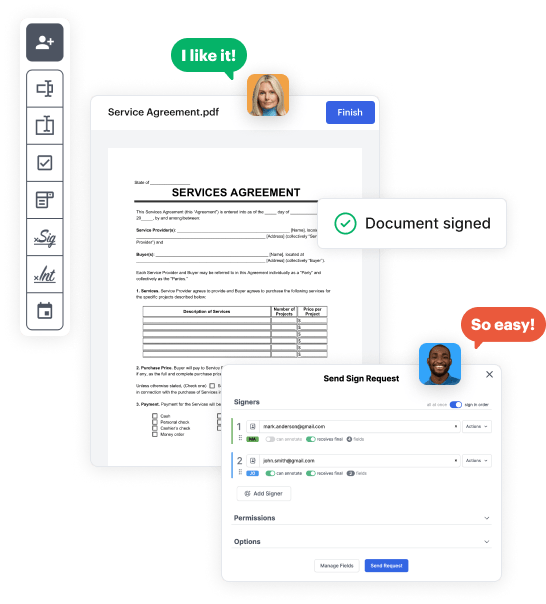
Use the top toolbar to insert fields like text and signature boxes, radio buttons, checkboxes, and more. Assign users to fields.
03. Distribute your form
Share your Legal Correspondence Sample in seconds via email or a link. You can also download it, export it, or print it out.

A detailed guide on how to build your Legal Correspondence Sample online
Form edit decoration

Step 1: Start with DocHub's free trial.

Visit the DocHub website and sign up for the free trial. This gives you access to every feature you’ll require to build your Legal Correspondence Sample with no upfront cost.

Step 2: Navigate to your dashboard.

Log in to your DocHub account and navigate to the dashboard.

Step 3: Craft a new document.

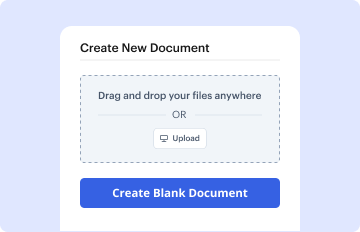
Click New Document in your dashboard, and choose Create Blank Document to design your Legal Correspondence Sample from the ground up.

Step 4: Utilize editing tools.

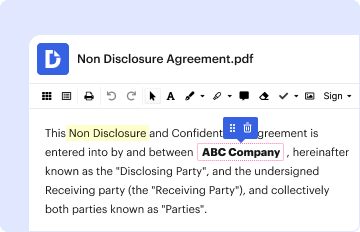
Place various fields such as text boxes, radio buttons, icons, signatures, etc. Organize these fields to suit the layout of your document and assign them to recipients if needed.

Step 5: Modify the form layout.

Rearrange your document effortlessly by adding, repositioning, removing, or merging pages with just a few clicks.

Step 6: Craft the Legal Correspondence Sample template.

Transform your newly crafted form into a template if you need to send multiple copies of the same document numerous times.

Step 7: Save, export, or distribute the form.

Send the form via email, distribute a public link, or even publish it online if you wish to collect responses from a broader audience.

be ready to get more

Build your Legal Correspondence Sample in minutes

Start creating now

Got questions?

We have answers to the most popular questions from our customers. If you can't find an answer to your question, please contact us.
Contact us
Letters in legal disputes and lawsuits often serve two purposes: first, to communicate in a clear, professional manner, and second, to document what was said or done for later use in court.
The body of your letter should begin two lines after your greeting. Usually legal correspondence will be single spaced with double spacing between paragraphs. The body of your letter should adequately and concisely convey your message.
The four primary sources are constitutions, statutes, cases, and regulations. These laws and rules are issued by official bodies from the three branches of government.
When researching the law, it is important to remember the four main types of law: constitutional, statutory, administrative and case (common) law.
Legal correspondence. It means legal letters. Four types of legal correspondence. -informative letters. Informative letters. Opinion letters. Confirmation letters. Demand letters. Writing legal correspondence. Written correspondence.
be ready to get more

Build your Legal Correspondence Sample in minutes

Start creating now

Related Q&A to Legal Correspondence Sample

Generally, a representation letter includes details such as the clients name, legal matter details, scope of representation, and the lawyers contact information. The particulars may vary depending on the specific case and purpose of the letter.
Drafting Legal Letters Start with a clear opening statement, outlining the letters purpose. Organize the body into logical sections, using headings and bullet points for ease of reading. Conclude with a succinct summary and a call to action.
While its technically possible to write a demand letter yourself, there are docHub advantages to seeking the guidance of a legal professional. Heres why. Professional expertise. An attorney specialized in personal injury law understands the nuances of relevant statutes, case law, and procedural requirements.

Additional resources on building your forms