


Create your Legal Civil Procedure from scratch

Start Building Now
Title decoration

Here's how it works

01. Start with a blank Legal Civil Procedure
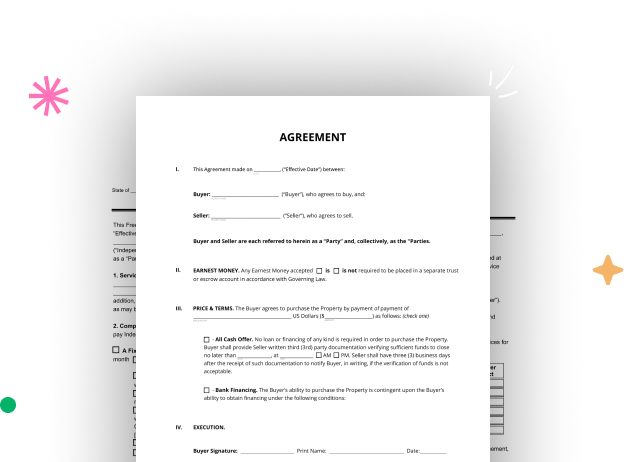
Open the blank document in the editor, set the document view, and add extra pages if applicable.
02. Add and configure fillable fields
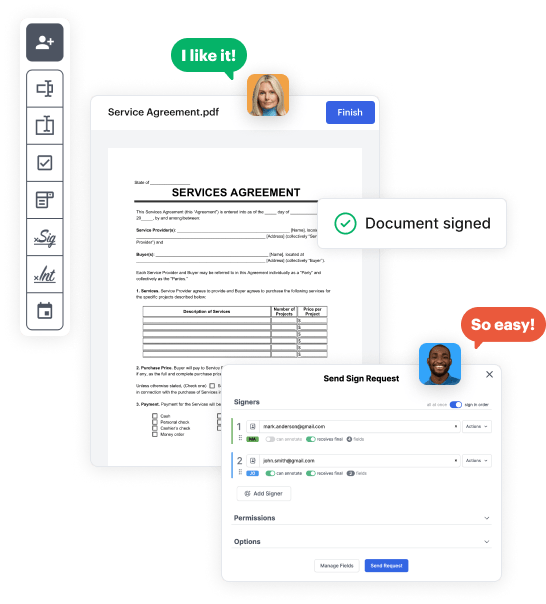
Use the top toolbar to insert fields like text and signature boxes, radio buttons, checkboxes, and more. Assign users to fields.
03. Distribute your form
Share your Legal Civil Procedure in seconds via email or a link. You can also download it, export it, or print it out.

Create your Legal Civil Procedure in a matter of minutes

Form edit decoration

Step 1: Access DocHub to build your Legal Civil Procedure.

Begin signining into your DocHub account. Explore the pro DocHub functionality free for 30 days.

Step 2: Go to the dashboard.

Once signed in, head to the DocHub dashboard. This is where you'll build your forms and handle your document workflow.

Step 3: Design the Legal Civil Procedure.

Hit New Document and select Create Blank Document to be redirected to the form builder.

Step 4: Set up the form layout.

Use the DocHub features to add and configure form fields like text areas, signature boxes, images, and others to your document.

Step 5: Insert text and titles.

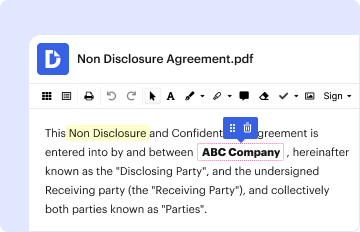
Add needed text, such as questions or instructions, using the text field to assist the users in your document.

Step 6: Configure field properties.

Alter the properties of each field, such as making them mandatory or formatting them according to the data you expect to collect. Assign recipients if applicable.

Step 7: Review and save.

After you’ve managed to design the Legal Civil Procedure, make a final review of your document. Then, save the form within DocHub, transfer it to your preferred location, or share it via a link or email.


be ready to get more

Build your Legal Civil Procedure in minutes

Start creating now

Got questions?

We have answers to the most popular questions from our customers. If you can't find an answer to your question, please contact us.
Contact us
Personal injury, medical malpractice, discrimination in the workplace, sexual harassment, and wrongful death are the top five most frequent claims. If you feel you have been wronged in any way, it is crucial that you consult with a lawyer who can explain your legal options and rights to you.
Under Rule 64, a court may issue a writ or order for the seizure of property in order to secure the satisfaction of a judgment, to preserve the property, or for other reasons.
These are some of the most common types of cases to appear in civil court. Contract disputes occur when one or more parties who signed a contract cannot or will not fulfill their obligations.
The three most common civil cases are tort claims, contract bdocHubes and landlord/tenant issues. Tort Claim - An act committed by one person that causes harm to another. Tort cases can take many different forms, and can relate to a persons personal safety, safety of their property, and financial security.
The case could be about a contract dispute, damage to property, injury to a person, credit card or other debt, work-related disputes, and more.
be ready to get more

Build your Legal Civil Procedure in minutes

Start creating now

Related Q&A to Legal Civil Procedure

In the local court, civil cases are dispute about money or property, such as: loan agreements. unpaid bills. damages from a motor vehicle accident. services paid for and not provided. property not returned.
Felonies: The most serious type of criminal charge. Carry a penalty of more than a year in prison, as well as fines, probation or parole, and other penalties. Criminal charges in California are divided into three classifications: Infractions, misdemeanors and felonies.
To begin a civil lawsuit in federal court, the plaintiff files a complaint with the court and serves a copy of the complaint on the defendant.

Additional resources on building your forms


