
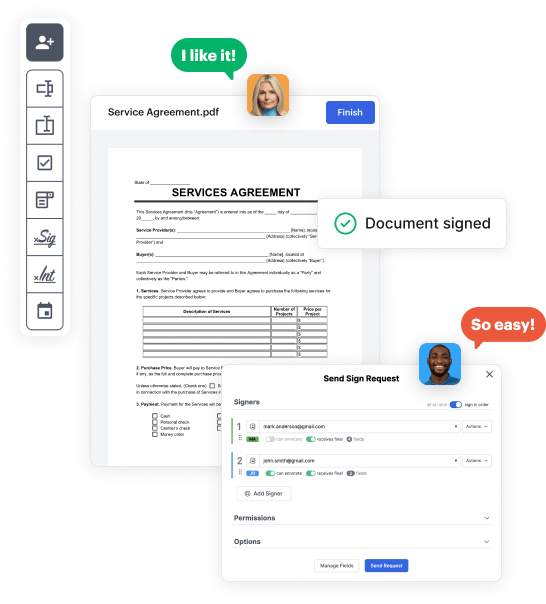
Create your Landlords Legal Form from scratch

Start Building Now
Title decoration

Here's how it works

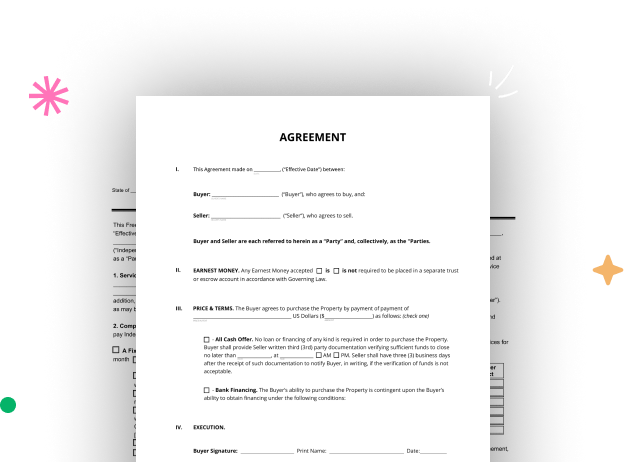
01. Start with a blank Landlords Legal Form
Open the blank document in the editor, set the document view, and add extra pages if applicable.
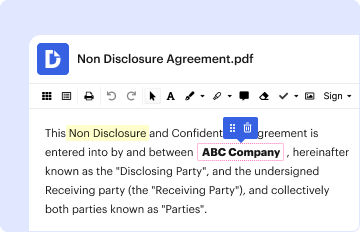
02. Add and configure fillable fields
Use the top toolbar to insert fields like text and signature boxes, radio buttons, checkboxes, and more. Assign users to fields.
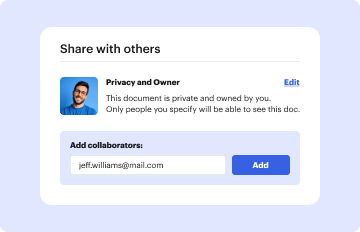
03. Distribute your form
Share your Landlords Legal Form in seconds via email or a link. You can also download it, export it, or print it out.

A brief tutorial on how to create a polished Landlords Legal Form

Form edit decoration

Step 1: Sign in to DocHub to begin creating your Landlords Legal Form.

First, sign in to your DocHub account. If you don't have one, you can easily register for free.

Step 2: Head to the dashboard.

Once signed in, navigate to your dashboard. This is your main hub for all document-centric processes.

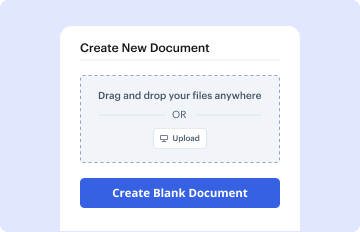
Step 3: Launch new document creation.

In your dashboard, click on New Document in the upper left corner. Hit Create Blank Document to build the Landlords Legal Form from the ground up.

Step 4: Add template fillable areas.

Add various elements like text boxes, photos, signature fields, and other interactive areas to your template and designate these fields to particular recipients as necessary.

Step 5: Customize your document.

Personalize your template by inserting instructions or any other crucial details utilizing the text feature.

Step 6: Double-check and tweak the document.

Thoroughly review your created Landlords Legal Form for any typos or necessary adjustments. Utilize DocHub's editing tools to polish your document.

Step 7: Send out or export the document.

After completing, save your copy. You may choose to keep it within DocHub, export it to various storage solutions, or forward it via a link or email.


be ready to get more

Build your Landlords Legal Form in minutes

Start creating now

Got questions?

We have answers to the most popular questions from our customers. If you can't find an answer to your question, please contact us.
Contact us
If you have been living in your home for over a year, your landlord must give at least 60 days notice. If you have been living in your home for more than 2 years, your landlord must give at least 90 days notice. rent as a security deposit. When you move out, they must return the security deposit within 14 days.
If you own the home, you dont need any license. However, if you are in a condominium or coop as you often find in NYC, youll likely need permission of the condo or co op board. Also, be aware of rental regulations in your area, especially regarding short term rentals like Airbnb.
Overview. In New York State, an eviction of a tenant is lawful only if an owner has brought a court proceeding and obtained a judgment of possession from the court. A sheriff, marshal or constable can carry out a court ordered eviction. An owner may not evict a tenant by use of force or unlawful means.
Tenants Rights and Responsibilities. In New York City, tenants have many rights relating to the safety and quality of their housing. Tenants should expect to live in safe, well-maintained buildings that are free from vermin, leaks, and hazardous conditions. Laws protect tenants from harassment and discrimination.
Tenants without a lease agreement also have the right to privacy. The landlord cannot enter your rental property without your consent, except in emergencies or other legally allowed circumstances. The landlord must provide reasonable notice before entering the rental property for repairs, inspections, or other reasons.
be ready to get more

Build your Landlords Legal Form in minutes

Start creating now

Related Q&A to Landlords Legal Form

Waiving the Warranty of Habitability (Real Property Law 235-b); and. Restricting a tenant from living with their immediate family members and/or one additional occupant and the occupants dependent children (Real Property Law 235-f).
If you do not have a written lease, or your lease expired and you dont live in rent regulated housing, the landlord/owner may be able to go to court to evict you even if you did not do anything wrong. It is the landlord/owners right to evict you without a reason.
New York is considered a landlord-friendly state since rental prices are usually higher, compared to other states. Its also considered a tenant-friendly state because theres a high rate of rent control clauses, so its vital that landlords identify and analyze them for their lease agreement documents.

Additional resources on building your forms