
Create your Landlord-Tenant Legal Template from scratch

Start Building Now
Title decoration

Here's how it works

01. Start with a blank Landlord-Tenant Legal Template
Open the blank document in the editor, set the document view, and add extra pages if applicable.
02. Add and configure fillable fields
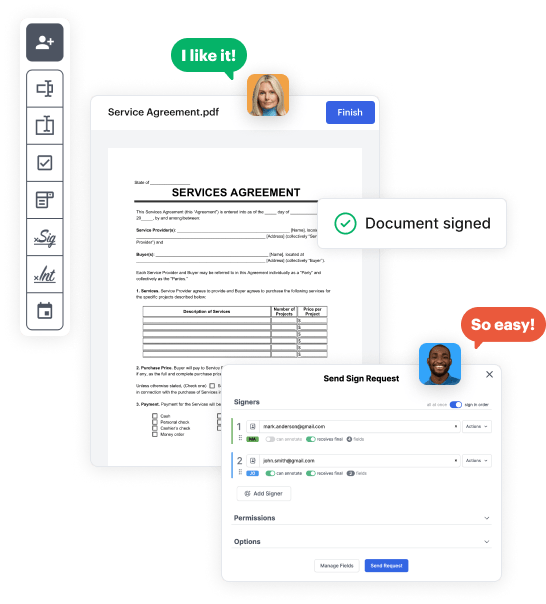
Use the top toolbar to insert fields like text and signature boxes, radio buttons, checkboxes, and more. Assign users to fields.
03. Distribute your form
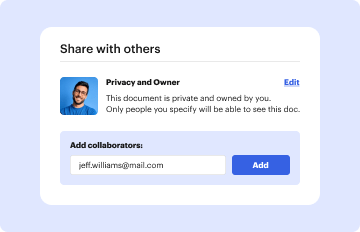
Share your Landlord-Tenant Legal Template in seconds via email or a link. You can also download it, export it, or print it out.

Design your Landlord-Tenant Legal Template in a matter of minutes

Form edit decoration

Step 1: Access DocHub to build your Landlord-Tenant Legal Template.

Start by logging into your DocHub account. Try out the pro DocHub functionality at no cost for 30 days.

Step 2: Navigate to the dashboard.

Once signed in, go to the DocHub dashboard. This is where you'll build your forms and handle your document workflow.

Step 3: Design the Landlord-Tenant Legal Template.

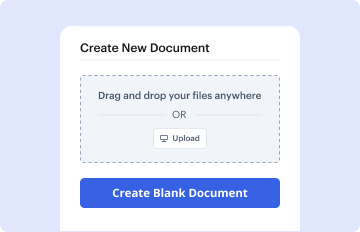
Click on New Document and choose Create Blank Document to be taken to the form builder.

Step 4: Set up the form layout.

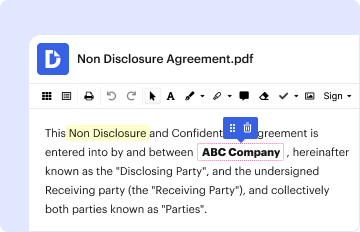
Use the DocHub tools to insert and configure form fields like text areas, signature boxes, images, and others to your form.

Step 5: Insert text and titles.

Add necessary text, such as questions or instructions, using the text field to assist the users in your form.

Step 6: Configure field properties.

Alter the properties of each field, such as making them required or formatting them according to the data you plan to collect. Assign recipients if applicable.

Step 7: Review and save.

After you’ve managed to design the Landlord-Tenant Legal Template, make a final review of your form. Then, save the form within DocHub, export it to your preferred location, or share it via a link or email.


be ready to get more

Build your Landlord-Tenant Legal Template in minutes

Start creating now

Got questions?

We have answers to the most popular questions from our customers. If you can't find an answer to your question, please contact us.
Contact us
Dear [tenants full name], This letter serves as a formal notice to vacate the property at [address of rental property], pursuant to our lease agreement dated [lease start date]. Please consider the following details: Move-out date: As stipulated in our lease agreement, your lease will expire on [lease end date].
Dear [insert tenant name], This notice serves to inform you of an upcoming transition. Beginning [month, day, and year], [new property owner] will assume ownership of this property. [New property owner] will also assume responsibility as your new landlord.
Dear [Tenants Name], I hope this letter finds you well. This letter serves as formal notice of a rent increase for the property located at [Property Address]. The current monthly rent of $[Current Rent Amount] will be increased by $[Amount of Increase], making the new monthly rent $[New Rent Amount].
Start with a warm greeting to ease them into the rest of the letter. Include your contact information, property details, lease terms, rent payment instructions, security deposit details, and emergency contacts. Also add the move-in checklist, important policies, and tenant responsibilities.
Fill out the tenancy details: Name: Enter a name for the new tenancy. Description: Optionally, enter a description for the new tenancy. Service Namespace: Set a unique namespace for all resources created within this tenancy. Authentication Credentials: Set a user name and password for the primary tenancy administrator.
be ready to get more

Build your Landlord-Tenant Legal Template in minutes

Start creating now

Related Q&A to Landlord-Tenant Legal Template

Dear [Tenants Name], This letter serves as formal notification that you are required to vacate the premises at [Property Address] by [Vacate Date]. This notice is given in ance with the terms of the lease agreement dated [Lease Start Date], which specifies a [number of days]-day notice period for termination.
Your welcome letter should provide the following information: Your contact information. How to set up utilities. Reminder that renters insurance is required. Where to pick up keys. Details about move-in day. Move-in day checklist. How to pay rent. How to report maintenance issues.
What should you include in a landlord introduction letter? New management contact information. Before leaving, the previous landlord may have given tenants your contact information. Rent collection instructions. Maintenance request systems. Property inspection date. Request for updated tenant information.

Additional resources on building your forms


