

Create your Landlord Tenant Legal Package from scratch

Start Building Now
Title decoration

Here's how it works

01. Start with a blank Landlord Tenant Legal Package
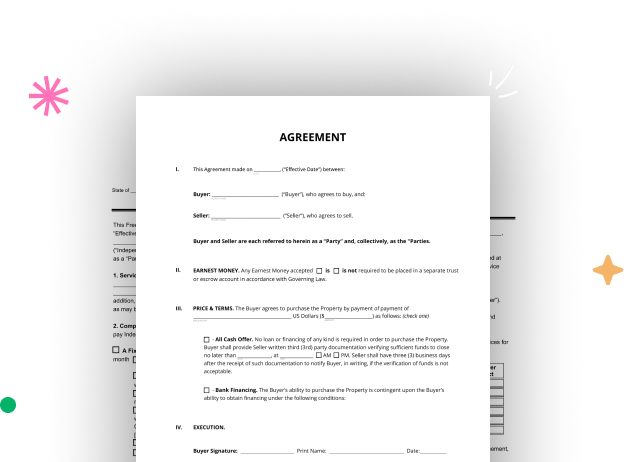
Open the blank document in the editor, set the document view, and add extra pages if applicable.
02. Add and configure fillable fields
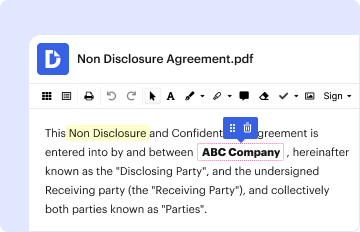
Use the top toolbar to insert fields like text and signature boxes, radio buttons, checkboxes, and more. Assign users to fields.
03. Distribute your form
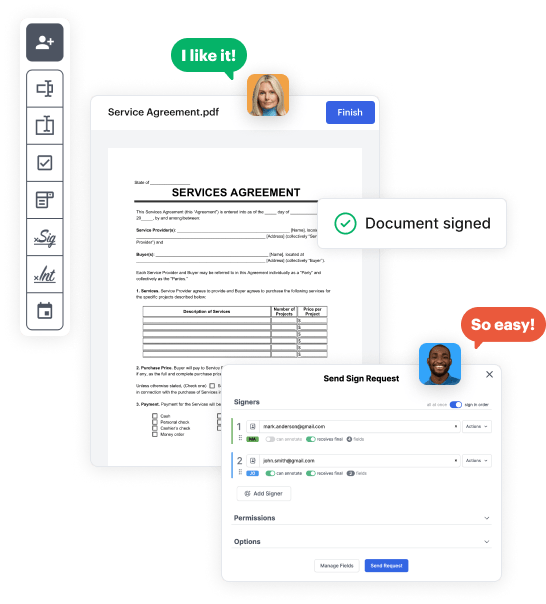
Share your Landlord Tenant Legal Package in seconds via email or a link. You can also download it, export it, or print it out.

A detailed guide on how to build your Landlord Tenant Legal Package online

Form edit decoration

Step 1: Start with DocHub's free trial.

Navigate to the DocHub website and register for the free trial. This gives you access to every feature you’ll need to create your Landlord Tenant Legal Package with no upfront cost.

Step 2: Access your dashboard.

Sign in to your DocHub account and go to the dashboard.

Step 3: Initiate a new document.

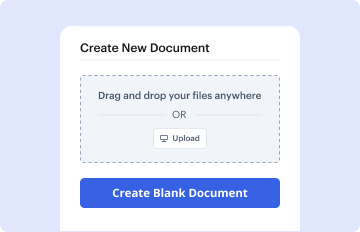
Click New Document in your dashboard, and choose Create Blank Document to craft your Landlord Tenant Legal Package from scratch.

Step 4: Utilize editing tools.

Add various fields such as text boxes, radio buttons, icons, signatures, etc. Organize these elements to match the layout of your form and assign them to recipients if needed.

Step 5: Organize the form layout.

Organize your form in seconds by adding, repositioning, removing, or merging pages with just a few clicks.

Step 6: Set up the Landlord Tenant Legal Package template.

Turn your newly designed form into a template if you need to send multiple copies of the same document repeatedly.

Step 7: Save, export, or distribute the form.

Send the form via email, distribute a public link, or even post it online if you want to collect responses from more recipients.


be ready to get more

Build your Landlord Tenant Legal Package in minutes

Start creating now

Got questions?

We have answers to the most popular questions from our customers. If you can't find an answer to your question, please contact us.
Contact us
Those include: Terminating a tenancy or filing an eviction lawsuit; Increasing the rent; or, Decreasing services, such as locking the laundry room.
In general a landlord does not have the right to enter the residential rental premises without consent of the tenant or a judgment from the Superior Court of New Jersey. Even if given legal authority to enter the rental premises, the landlord may only enter in a peaceable manner.
Yes, Microsoft Word has a free lease agreement template that you can customize to create your own contract and minimize any potential problems between tenant and landlord.
A landlord may request entry to a rental unit to perform other services or to show the unit for re- renting or sale. However there is no law that obligates a tenant to allow a landlord access to the rental premises for purposes other than inspection, maintenance and repair.
A one-month notice to quit is required for a month-to-month tenancy. lockouts made by the landlord are illegal in New Jersey. If a landlord attempts a self-help eviction or lockout, the tenant should call the police.
be ready to get more

Build your Landlord Tenant Legal Package in minutes

Start creating now

Related Q&A to Landlord Tenant Legal Package

The landlords must give the tenant at least 3 days notice. They have no choice. The tenant must leave the premises before the end of the notice period to avoid eviction. Landlords may continue with the eviction process if the tenant refuses to leave after the 3 days notice.
ing to New Jersey landlord-tenant law, landlords have the right to collect rent payments when theyre due, use the security deposits to cover damages that exceed normal wear and tear and provide safe eviction procedures if the tenant fails to pay rent or violates the lease.
Landlords in New Jersey cannot violate the implied warranty of habitability, discriminate against tenants, unjustly withhold security deposits, evict tenants without proper notice or due process, raise rent without giving proper notice, enter a tenants dwelling without reasonable notice except in emergencies, or

Additional resources on building your forms


