

Create your Landlord Tenant Law from scratch

Start Building Now
Title decoration

Here's how it works

01. Start with a blank Landlord Tenant Law
Open the blank document in the editor, set the document view, and add extra pages if applicable.
02. Add and configure fillable fields
Use the top toolbar to insert fields like text and signature boxes, radio buttons, checkboxes, and more. Assign users to fields.
03. Distribute your form
Share your Landlord Tenant Law in seconds via email or a link. You can also download it, export it, or print it out.

A simple tutorial on how to create a professional-looking Landlord Tenant Law

Form edit decoration

Step 1: Sign in to DocHub to create your Landlord Tenant Law.

First, log in to your DocHub account. If you don't have one, you can easily sign up for free.

Step 2: Navigate to the dashboard.

Once logged in, head to your dashboard. This is your main hub for all document-based processes.

Step 3: Kick off new document creation.

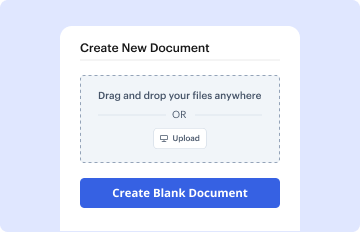
In your dashboard, choose New Document in the upper left corner. Pick Create Blank Document to design the Landlord Tenant Law from a blank slate.

Step 4: Add form fillable areas.

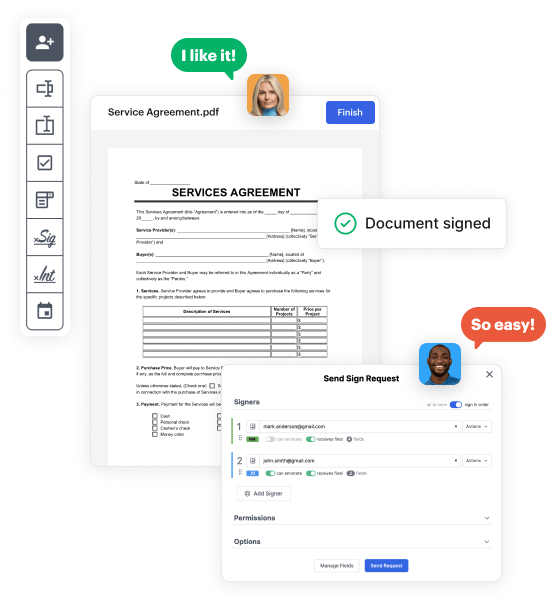
Add different fields like text boxes, images, signature fields, and other options to your form and assign these fields to specific recipients as required.

Step 5: Fine-tune your form.

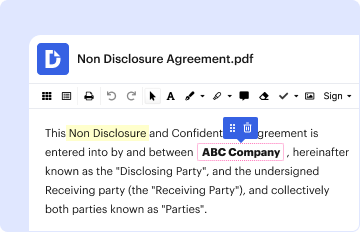
Personalize your form by adding walkthroughs or any other necessary details utilizing the text option.

Step 6: Review and correct the document.

Attentively go over your created Landlord Tenant Law for any mistakes or necessary adjustments. Take advantage of DocHub's editing capabilities to enhance your form.

Step 7: Distribute or download the form.

After completing, save your work. You may select to save it within DocHub, transfer it to various storage solutions, or send it via a link or email.


be ready to get more

Build your Landlord Tenant Law in minutes

Start creating now

Got questions?

We have answers to the most popular questions from our customers. If you can't find an answer to your question, please contact us.
Contact us
Waiving the Warranty of Habitability (Real Property Law 235-b); and. Restricting a tenant from living with their immediate family members and/or one additional occupant and the occupants dependent children (Real Property Law 235-f).
There is often no lease in a month-to-month tenancy, which may be ended by the landlord or the tenant. However, notice must be given at least one month before your next rent payment is due. Public housing authority leases have their own regulations and specific lease conditions.
no limit on how much your landlord can increase your rent. However, your landlord must give you advanced written notice before they can raise your rent 5% or more. advance written notice. This applies to month-to-month tenants without a lease as well.
The termination notice does not need to specify why the landlord seeks possession of the apartment. Month to Month tenancies can be terminated by either the landlord or the tenant, for any reason, or for no reason at all, except if the reason is retaliatory (RPL 223-b).
renew your lease or substantially increase your rent. ​Your landlord must give you at least 30 days notice if they are not planning to renew your lease or will raise your rent by more than 5%. If you have been living in your home for over a year, your landlord must give at least 60 days notice.
be ready to get more

Build your Landlord Tenant Law in minutes

Start creating now

Related Q&A to Landlord Tenant Law

A month-to-month tenancy may be terminated by either party. If the landlord plans to terminate, they must give notice on the same timeline as terminating non-regulated leases (as described on the previous page). Outside of New York City, the tenant must give one months notice to terminate the tenancy.
If you do not have a lease, or your lease expired, you pay rent on a monthly basis. This is called a month-to-month tenancy. In order to end a month-to-month tenancy, either you or your landlord must give at least one months notice before the end of the month.
Tenants without a lease agreement also have the right to privacy. The landlord cannot enter your rental property without your consent, except in emergencies or other legally allowed circumstances. The landlord must provide reasonable notice before entering the rental property for repairs, inspections, or other reasons.

Additional resources on building your forms