Boost your output with Landlord-Tenant Documents

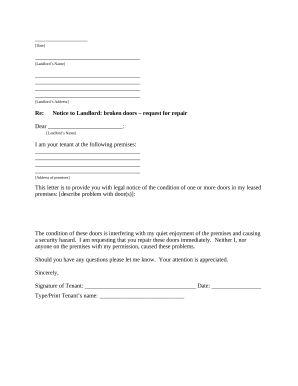
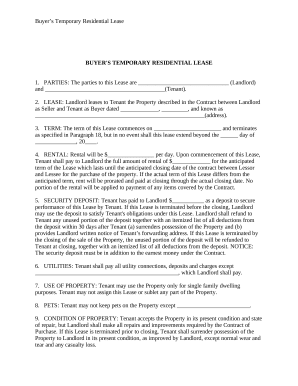
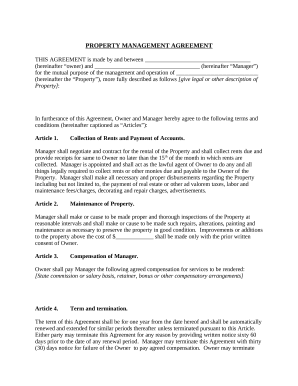
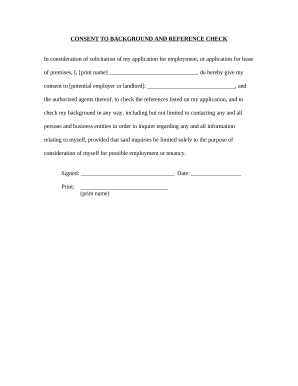
Record managing consumes to half of your office hours. With DocHub, it is simple to reclaim your office time and increase your team's productivity. Access Landlord-Tenant Documents collection and discover all templates related to your day-to-day workflows.

Easily use Landlord-Tenant Documents:

  1. Open Landlord-Tenant Documents and utilize Preview to find the appropriate form.
  2. Click Get Form to start working on it.
  3. Wait for your form to upload in the online editor and begin modifying it.
  4. Add new fillable fields, symbols, and pictures, modify pages, and many more.
  5. Fill out your document or set it for other contributors.
  6. Download or share the form by link, email attachment, or invite.

Boost your day-to-day document managing with our Landlord-Tenant Documents. Get your free DocHub account today to explore all forms.


Video Guide on Landlord-Tenant Documents management

video background

Commonly Asked Questions about Landlord-Tenant Documents

If you have been living in your home for over a year, your landlord must give at least 60 days notice. If you have been living in your home for more than 2 years, your landlord must give at least 90 days notice. rent as a security deposit. When you move out, they must return the security deposit within 14 days.
New York landlords must follow a strict legal process for evictions, which includes serving proper notices, filing a court action, and obtaining a court order before an eviction can take place. Self-help measures such as changing locks or physically removing a tenant are illegal.
What are the responsibilities of my landlord? Owners must ensure that buildings are safe, clean and well maintained, in both common areas and in individual apartments. Among other responsibilities, owners must provide and maintain security measures, heat, hot and cold water, and good lighting.
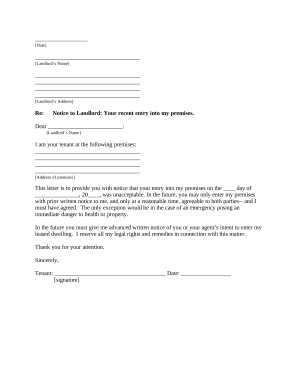
You may refuse entry to a landlord if they do not give proper notice for a visit, or if they try to enter for any reason beyond the five valid ones listed below. These rights cannot be waived they still apply if your lease says otherwise, or if you dont have a lease.
Tenants have the right to withhold rent due to unremedied code violations in their unit. If a landlord fails to provide their tenant with a safe, livable, and sanitary dwelling, the tenant has the right to pay their rent into a separate bank account, rather than to the landlord -- this is called paying in escrow.