
Create your Landlord Tenant Dispute Legal Form from scratch

Start Building Now
Title decoration

Here's how it works

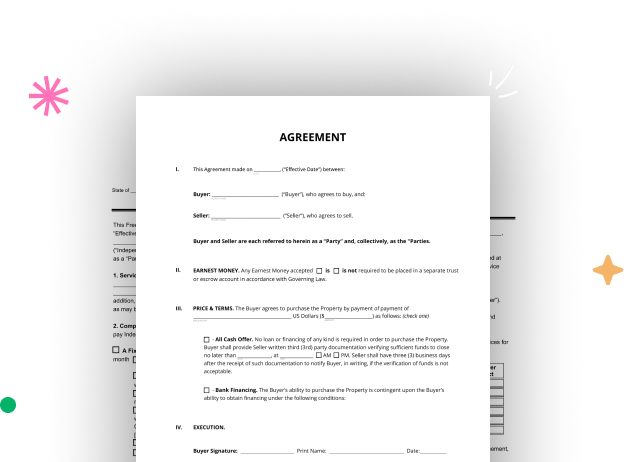
01. Start with a blank Landlord Tenant Dispute Legal Form
Open the blank document in the editor, set the document view, and add extra pages if applicable.
02. Add and configure fillable fields
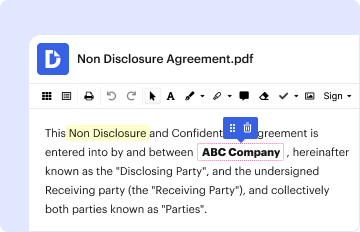
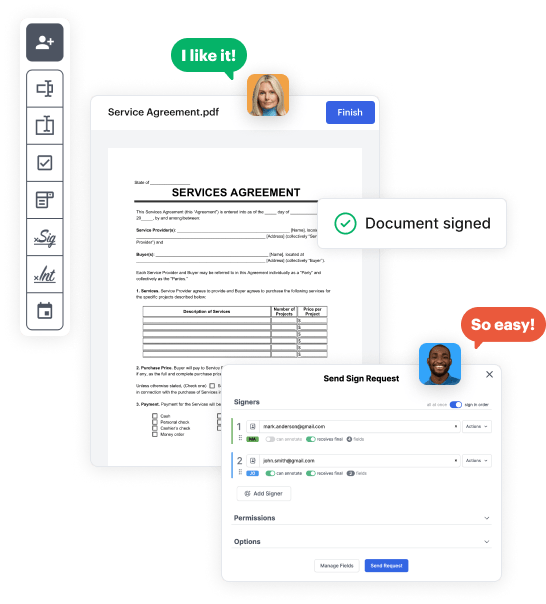
Use the top toolbar to insert fields like text and signature boxes, radio buttons, checkboxes, and more. Assign users to fields.
03. Distribute your form
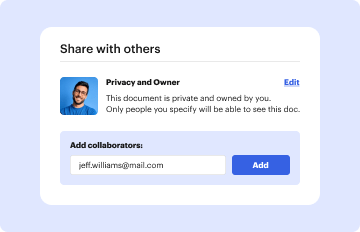
Share your Landlord Tenant Dispute Legal Form in seconds via email or a link. You can also download it, export it, or print it out.

Build Landlord Tenant Dispute Legal Form from the ground up by following these step-by-step guidelines

Form edit decoration

Step 1: Get started with DocHub.

Start by signing up for a free DocHub account using any offered sign-up method. Just log in if you already have one.

Step 2: Sign up for a free 30-day trial.

Try out the whole suite of DocHub's pro features by registering for a free 30-day trial of the Pro plan and proceed to build your Landlord Tenant Dispute Legal Form.

Step 3: Start with a new empty form.

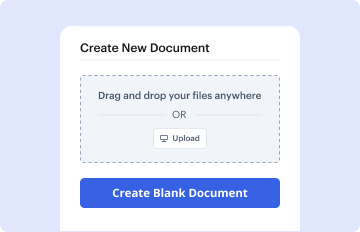
In your dashboard, select the New Document button > scroll down and choose to Create Blank Document. You will be taken to the editor.

Step 4: Organize the document’s view.

Use the Page Controls icon indicated by the arrow to switch between different page views and layouts for more convenience.

Step 5: Start inserting fields to create the dynamic Landlord Tenant Dispute Legal Form.

Use the top toolbar to place document fields. Add and arrange text boxes, the signature block (if applicable), insert images, etc.

Step 6: Prepare and configure the added fields.

Organize the fields you added per your chosen layout. Adjust the size, font, and alignment to make sure the form is easy to use and neat-looking.

Step 7: Finalize and share your template.

Save the completed copy in DocHub or in platforms like Google Drive or Dropbox, or design a new Landlord Tenant Dispute Legal Form. Send out your form via email or use a public link to reach more people.


be ready to get more

Build your Landlord Tenant Dispute Legal Form in minutes

Start creating now

Got questions?

We have answers to the most popular questions from our customers. If you can't find an answer to your question, please contact us.
Contact us
To claim compensation, you need to: Write to your landlord. Fill in the claim form. Send the form and pay the court fee. Go to the court hearing.
Mediating tenant conflict when it does arise Listen to the complaint and try to show genuine concern. Contact the offending party and inform them of the complaint. If the offending party has a defense, hear them out. Should a meeting be necessary, let both parties air their grievances. Document your meetings.
You can take your landlord to court if they wont do repairs after youve asked them. Youre more likely to win your case if you give the court as much evidence as possible. The judge will look at the evidence you and your landlord provide before making a decision.
When writing a letter to your landlord, be sure to include the following elements: Your full name and rental address. The date of the letter. A clear and concise subject line. A polite and professional tone throughout the letter. Specific details about your request or concern. A proposed solution or timeline, if applicable.
When you write your own letter, include: names, dates, your address and signature. a description of the problems. background information if you already talked to the super or asked for repairs. a request for advance notice if they will come to your apartment, so you can plan.
be ready to get more

Build your Landlord Tenant Dispute Legal Form in minutes

Start creating now

Related Q&A to Landlord Tenant Dispute Legal Form

When to write an appeal letter? Scan your denial letter carefully. Think of what reason you want to address and how. Address the appeal letter. First paragraph: Ask for reconsideration. Second paragraph: State your case. Third paragraph: Offer possible concessions. Conclusion: Dont forget to sign.

Additional resources on building your forms