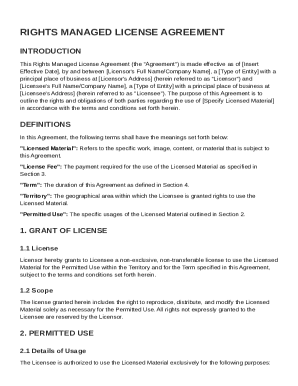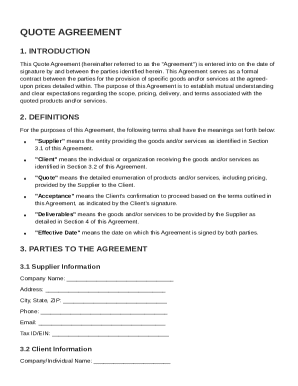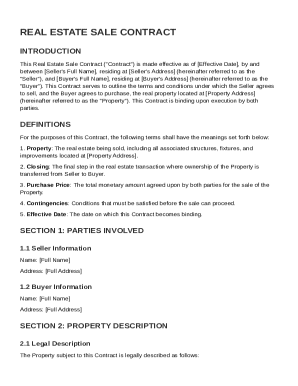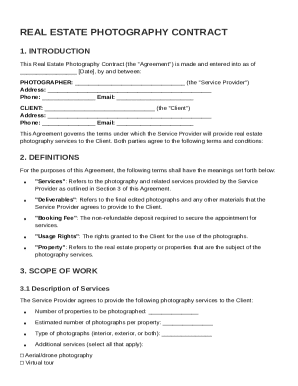

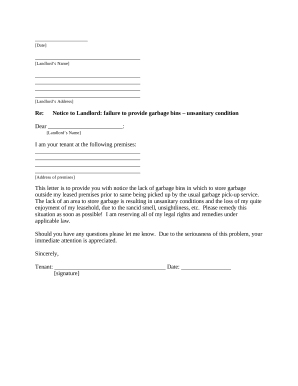
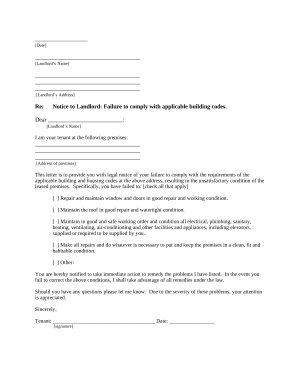
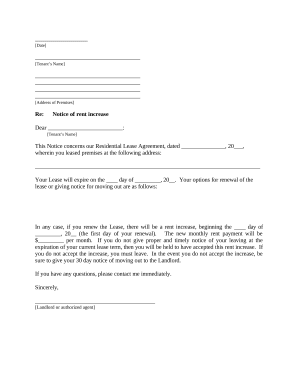
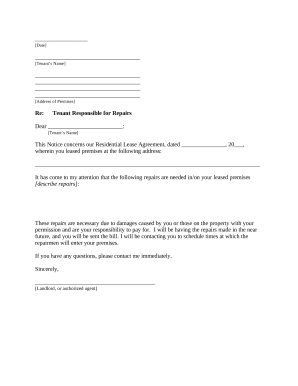
Manage Landlord-Tenant Agreements effortlessly online

Document management can stress you when you can’t locate all of the documents you need. Fortunately, with DocHub's considerable form categories, you can get all you need and swiftly take care of it without switching among programs. Get our Landlord-Tenant Agreements and begin working with them.

How to use our Landlord-Tenant Agreements using these basic steps:

  1. Check Landlord-Tenant Agreements and select the form you need.
  2. Review the template and click Get Form.
  3. Wait for it to upload in our online editor.
  4. Alter your document: add new information and images, and fillable fields or blackout certain parts if required.
  5. Fill out your document, preserve modifications, and prepare it for sending.
  6. When ready, download your form or share it with your contributors.

Try out DocHub and browse our Landlord-Tenant Agreements category without trouble. Get a free account today!


Video Guide on Landlord-Tenant Agreements management

video background

Commonly Asked Questions about Landlord-Tenant Agreements

Before they can raise your rent (by 5% or more), the landlord must give you: 90 days notice if you have lived in your apartment two years or more. 60 days notice if you have lived in your apartment for more than one year. 30 days notice if you have lived in your apartment for less than one year.
Using a tenancy agreement The most common type is an assured shorthold tenancy or AST agreement. You can download an easy to edit template agreement from Net Lawman pre-customised to the type of property you are letting, such as one for a furnished flat.
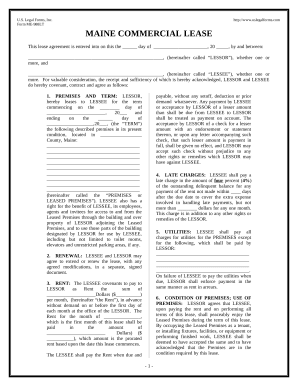
While it is not required, it is recommended to include the rent amount, rent due date, and lease length, along with other information in the lease agreement. To break a lease or change its terms, such as increasing rent, a landlord must provide a 60-day written notice for leases of a year but less than two.
Written notice must include: Termination date: The law says, the termination date must be effective no earlier than thirty days after the date on which the next rental payment is due (after the notice is delivered). The notice is considered delivered five days after mailing.
In New York 5 Page 9 City, 30 days notice is required, rather than one month. Landlords do not need to explain why the tenancy is being terminated, they only need to provide notice that it is, and that refusal to vacate will lead to eviction proceedings.
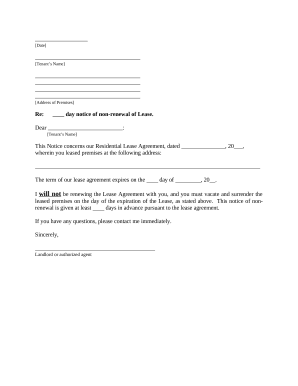
If you have lived in the unit for less than a year, and your lease does not have a term of at least one year, your landlord is required to give you a 30-day notice of non-renewal.