
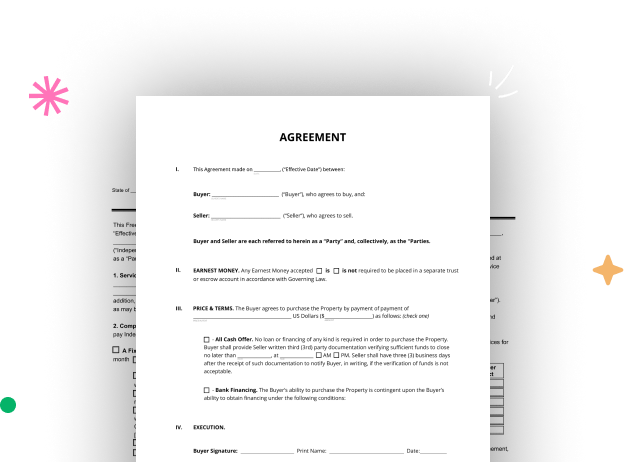
Create your Landlord Tenant Agreement Letter from scratch

Start Building Now
Title decoration

Here's how it works

01. Start with a blank Landlord Tenant Agreement Letter
Open the blank document in the editor, set the document view, and add extra pages if applicable.
02. Add and configure fillable fields
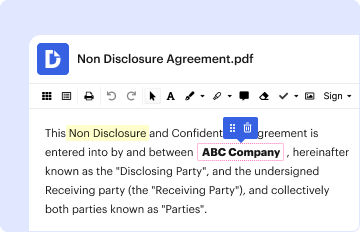
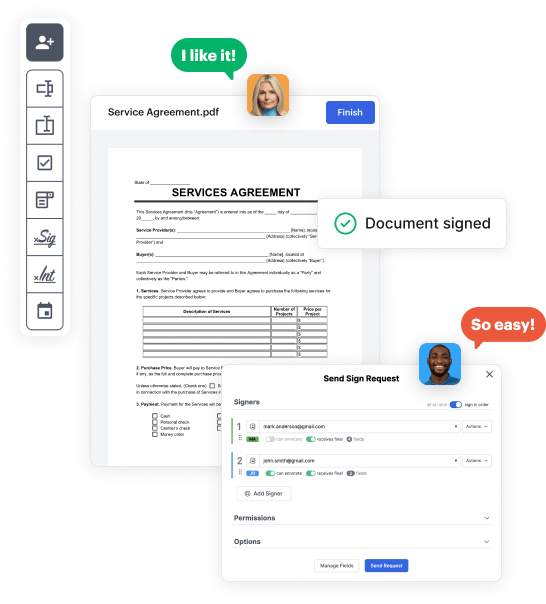
Use the top toolbar to insert fields like text and signature boxes, radio buttons, checkboxes, and more. Assign users to fields.
03. Distribute your form
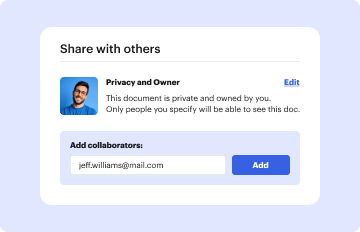
Share your Landlord Tenant Agreement Letter in seconds via email or a link. You can also download it, export it, or print it out.

A brief tutorial on how to set up a professional-looking Landlord Tenant Agreement Letter

Form edit decoration

Step 1: Log in to DocHub to create your Landlord Tenant Agreement Letter.

First, log in to your DocHub account. If you don't have one, you can simply sign up for free.

Step 2: Navigate to the dashboard.

Once you’re in, access your dashboard. This is your central hub for all document-based tasks.

Step 3: Kick off new document creation.

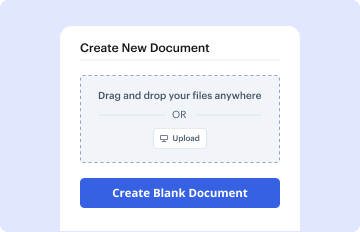
In your dashboard, hit New Document in the upper left corner. Opt for Create Blank Document to create the Landlord Tenant Agreement Letter from the ground up.

Step 4: Incorporate form elements.

Place various items like text boxes, photos, signature fields, and other options to your form and assign these fields to specific recipients as needed.

Step 5: Fine-tune your template.

Customize your form by incorporating instructions or any other essential tips leveraging the text tool.

Step 6: Double-check and adjust the document.

Carefully check your created Landlord Tenant Agreement Letter for any errors or required adjustments. Make use of DocHub's editing features to perfect your template.

Step 7: Distribute or download the template.

After finalizing, save your file. You may select to save it within DocHub, export it to various storage solutions, or forward it via a link or email.


be ready to get more

Build your Landlord Tenant Agreement Letter in minutes

Start creating now

Got questions?

We have answers to the most popular questions from our customers. If you can't find an answer to your question, please contact us.
Contact us
Heres a list of common fields that should be covered in your lease agreement: Basic information about all tenants. Include the full name and contact information of each tenant. Description of rental property. Security deposit. Monthly rent amount. Utilities. Lease term. Policies. Late fees.
How to complete Rental Proposal Letter Template Provide personal details and contact information. Include details of the rental property. State the proposed terms and conditions. Specify any specific requirements or preferences. Proofread the letter before finalizing.
How to write a California lease agreement Identify the parties involved. Clearly state the names and contact information of both the landlord and the prospective tenant. Define the rental property. Specify the lease term. Outline rent and payment terms. Include important provisions. Comply with legal requirements.
Yes, Microsoft Word has a free lease agreement template that you can customize to create your own contract and minimize any potential problems between tenant and landlord.
Dear [insert tenant name], This notice serves to inform you of an upcoming transition. Beginning [month, day, and year], [new property owner] will assume ownership of this property. [New property owner] will also assume responsibility as your new landlord.
be ready to get more

Build your Landlord Tenant Agreement Letter in minutes

Start creating now

Related Q&A to Landlord Tenant Agreement Letter

Changing the tenancy agreement A tenancy agreement can normally only be changed if both you and your landlord agree. If you both agree, the change should be recorded in writing, either by drawing up a new written document setting out the terms of the tenancy or by amending the existing written tenancy agreement.
When writing a letter to your landlord, be sure to include the following elements: Your full name and rental address. The date of the letter. A clear and concise subject line. A polite and professional tone throughout the letter. Specific details about your request or concern. A proposed solution or timeline, if applicable.
Steps to Add a Tenant to an Existing Lease Acquire a Written Request to Add a Tenant. Check the Units Occupancy Limit. Require a Completed Rental Application. Screen and Approve/Deny the New Tenant. Review the Details With Each Tenant.

Additional resources on building your forms