
Create your Landlord Disclosure from scratch

Start Building Now
Title decoration

Here's how it works

01. Start with a blank Landlord Disclosure
Open the blank document in the editor, set the document view, and add extra pages if applicable.
02. Add and configure fillable fields
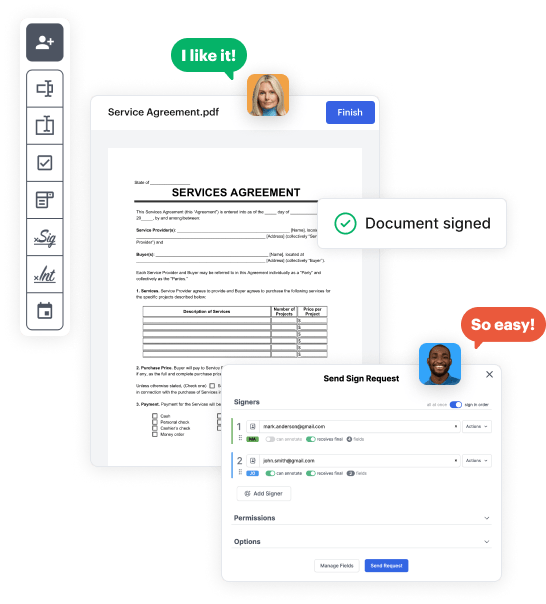
Use the top toolbar to insert fields like text and signature boxes, radio buttons, checkboxes, and more. Assign users to fields.
03. Distribute your form
Share your Landlord Disclosure in seconds via email or a link. You can also download it, export it, or print it out.

Create Landlord Disclosure from scratch with these step-by-step guidelines

Form edit decoration

Step 1: Open DocHub and get going.

Start by registering a free DocHub account using any offered sign-up method. Just log in if you already have one.

Step 2: Sign up for a free 30-day trial.

Try out the whole collection of DocHub's pro features by signing up for a free 30-day trial of the Pro plan and proceed to craft your Landlord Disclosure.

Step 3: Create a new blank doc.

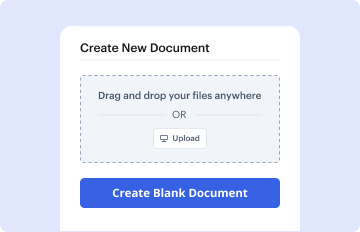
In your dashboard, choose the New Document button > scroll down and choose to Create Blank Document. You’ll be taken to the editor.

Step 4: Organize the document’s layout.

Utilize the Page Controls icon marked by the arrow to toggle between two page views and layouts for more flexibility.

Step 5: Start adding fields to design the dynamic Landlord Disclosure.

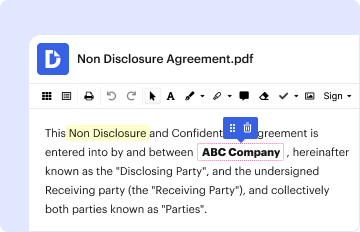
Use the top toolbar to add document fields. Add and configure text boxes, the signature block (if applicable), insert images, etc.

Step 6: Prepare and configure the incorporated fields.

Configure the fields you incorporated based on your chosen layout. Personalize the size, font, and alignment to ensure the form is user-friendly and polished.

Step 7: Finalize and share your template.

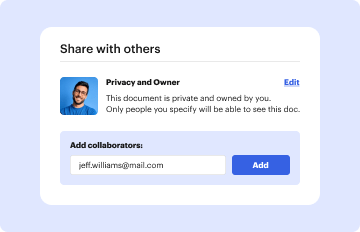
Save the completed copy in DocHub or in platforms like Google Drive or Dropbox, or design a new Landlord Disclosure. Share your form via email or use a public link to engage with more people.


be ready to get more

Build your Landlord Disclosure in minutes

Start creating now

Got questions?

We have answers to the most popular questions from our customers. If you can't find an answer to your question, please contact us.
Contact us
Beyond the condition of the property and environmental hazards, New York law requires sellers to disclose other pertinent information. This includes any zoning violations, restrictions, and whether the property is in a flood zone.
This disclosure will help you to make informed choices about your relationship with the real estate broker and its sales agents. Throughout the transaction you may receive more than one disclosure form. The law may require each agent assisting in the transaction to present you with this disclosure form.
Required Landlord Disclosures Landlords must disclose the presence of lead paint, especially if the home is built prior to 1978. Landlords must provide their tenants with information on all those involved with managing the unit. This may include providing them with a list of names and addresses.
These required disclosure forms pertain to lead-based paint, window guards, sprinkler systems, bedbug infestation history, flood history, indoor allergen hazards, gas leaks, smoke detectors, carbon monoxide alarms and reasonable accommodations for disabilities.
What are the responsibilities of my landlord? Owners must ensure that buildings are safe, clean and well maintained, in both common areas and in individual apartments. Among other responsibilities, owners must provide and maintain security measures, heat, hot and cold water, and good lighting.
be ready to get more

Build your Landlord Disclosure in minutes

Start creating now

Related Q&A to Landlord Disclosure

12 Rental Disclosures That Landlords in California Need to Give Landlord Contact Information. Rental Agreement Disclosure. Registered Sex Offender Database. Information about Bedbugs. Pest Control Notice. Presence of Mold. Lead-Based Paint. Intent to Demolish.

Additional resources on building your forms


