
Create your Landlord and Tenant Law from scratch

Start Building Now
Title decoration

Here's how it works

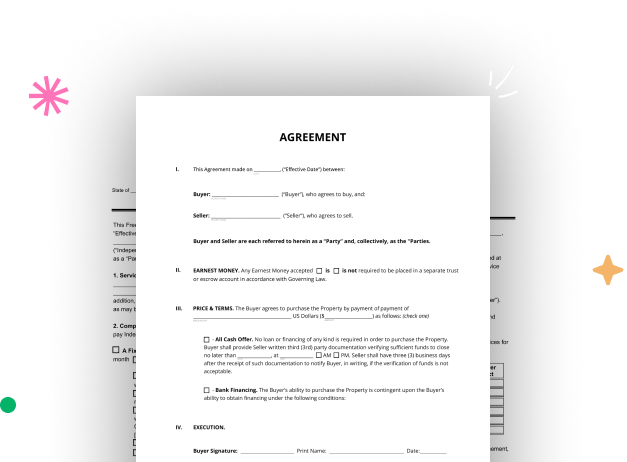
01. Start with a blank Landlord and Tenant Law
Open the blank document in the editor, set the document view, and add extra pages if applicable.
02. Add and configure fillable fields
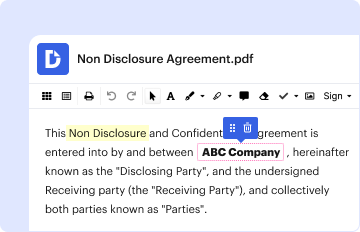
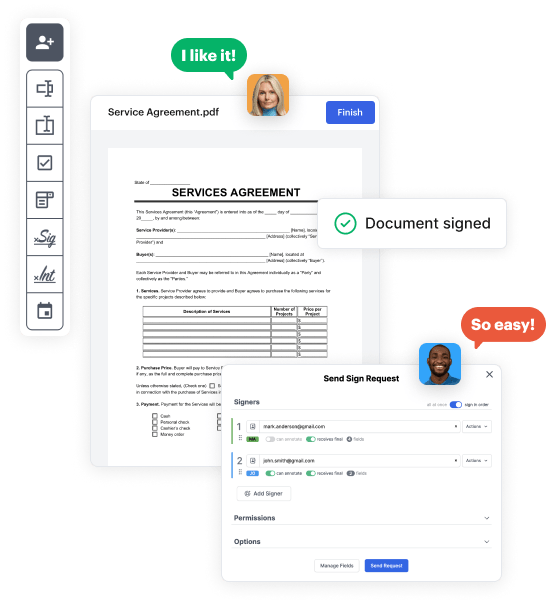
Use the top toolbar to insert fields like text and signature boxes, radio buttons, checkboxes, and more. Assign users to fields.
03. Distribute your form
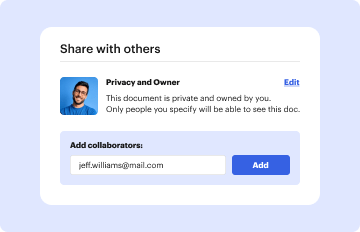
Share your Landlord and Tenant Law in seconds via email or a link. You can also download it, export it, or print it out.

A detailed guide on how to build your Landlord and Tenant Law online

Form edit decoration

Step 1: Start with DocHub's free trial.

Visit the DocHub website and sign up for the free trial. This provides access to every feature you’ll need to build your Landlord and Tenant Law without any upfront cost.

Step 2: Navigate to your dashboard.

Log in to your DocHub account and go to the dashboard.

Step 3: Craft a new document.

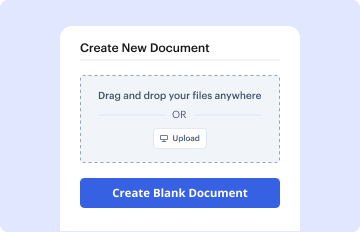
Hit New Document in your dashboard, and select Create Blank Document to craft your Landlord and Tenant Law from the ground up.

Step 4: Use editing tools.

Place different elements such as text boxes, radio buttons, icons, signatures, etc. Organize these fields to suit the layout of your document and assign them to recipients if needed.

Step 5: Modify the form layout.

Rearrange your document in seconds by adding, moving, deleting, or combining pages with just a few clicks.

Step 6: Craft the Landlord and Tenant Law template.

Turn your freshly crafted form into a template if you need to send multiple copies of the same document repeatedly.

Step 7: Save, export, or distribute the form.

Send the form via email, distribute a public link, or even publish it online if you wish to collect responses from a broader audience.


be ready to get more

Build your Landlord and Tenant Law in minutes

Start creating now

Got questions?

We have answers to the most popular questions from our customers. If you can't find an answer to your question, please contact us.
Contact us
If the tenant doesnt move out by the end of the 10 days, the landlord can file an eviction lawsuit. (Mo. Rev. Stat.
Landlords should: Make property habitable before tenants move in. Make and pay for repairs due to ordinary wear and tear. Refrain from turning off a tenants water, electricity or gas. Provide written notice to tenants when ownership of the property is transferred to a new landlord.
As a renter in Missouri you have rights: a right to a safe, sanitary, and livable home; a right to not have your utilities shut-off by the landlord; a right to privacy and respect; and a right to not have your landlord retaliate against you for reporting housing code violations.
Landlords in Mississippi cannot raise the rent during the term of a lease and must provide at least seven days notice before raising the rent on week-to-week tenants and thirty days notice before raising the rent on month-to-month tenants.
A tenant may sue a landlord if all or part of the security deposit is wrongfully withheld. Landlords cannot refuse to sell, rent, sublease or otherwise make housing available based on a renters race, color, religion, sex, disability, familial status or national origin.
be ready to get more

Build your Landlord and Tenant Law in minutes

Start creating now

Related Q&A to Landlord and Tenant Law

In Missouri, all forms of landlord harassment are illegal, even when it comes to rent. As such, as a landlord, you can get punished for such behavior. Common examples of landlord harassment include: Physically intimidating your tenant and making threats of physical violence.
Michigan and U.S. fair housing laws say that landlords cannot discriminate against tenants or applicants because of their race, color, religion, sex, familial status (kids under 18), national origin, disability, age, or marital status.
A wave of new legislation strengthening tenant protections in California goes into effect in 2024. These laws limit evictions, cap security deposits, extend rent control, and make it easier for tenants to fight back against landlords trying to skirt housing regulations.

Additional resources on building your forms