Handle Land Contract Agreements easily online

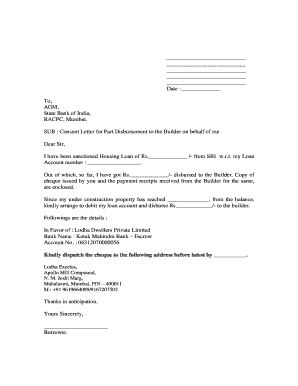
Document management can overwhelm you when you can’t discover all of the documents you need. Luckily, with DocHub's considerable form library, you can discover all you need and quickly deal with it without the need of changing between programs. Get our Land Contract Agreements and begin working with them.

How to use our Land Contract Agreements using these easy steps:

  1. Examine Land Contract Agreements and choose the form you need.
  2. Preview the template and then click Get Form.
  3. Wait for it to upload in the online editor.
  4. Adjust your form: include new information and pictures, and fillable fields or blackout some parts if required.
  5. Prepare your form, conserve modifications, and prepare it for delivering.
  6. When all set, download your form or share it with your contributors.

Try out DocHub and browse our Land Contract Agreements category easily. Get a free profile today!


Video Guide on Land Contract Agreements management

video background

Commonly Asked Questions about Land Contract Agreements

Components of a purchase agreement should include: Basic identifying information. This can include the names of the parties involved in the agreement, as well as relevant signature blocks and the address of the real estate being sold. All payment terms. Dates and times.
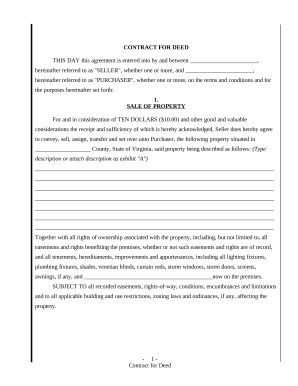
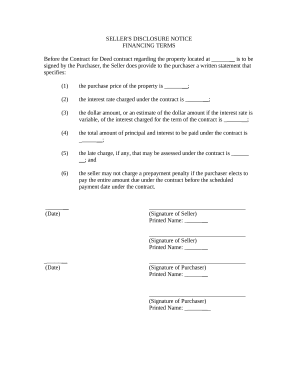
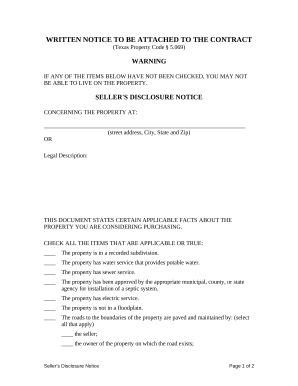
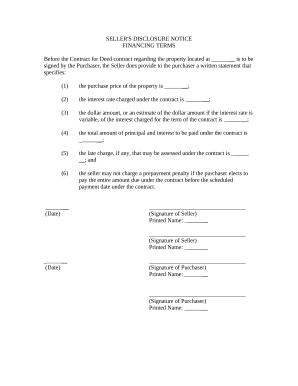
A contract for deed, also known as a land contract, is an alternative method for financing the sale of a house or other real estate. The buyer and seller agree to an installment plan, where the buyer pays the seller directly over a period of time instead of in one lump sum when the transaction closes.
Disadvantage #1: The title does not automatically pass to the purchaser in a land contract. Disadvantage #2: The seller could be held legally responsible for inspection issues with local or state authorities. Disadvantage #3: Forfeiture of a land contract by the purchaser is a fairly common occurrence.
Land contracts are seller-financed alternatives to traditional mortgage financing. Theyre typically used when buyers are unwilling to get a mortgage through a bank or other mortgage originator. They may also be unable to get a mortgage due to their credit situation or other qualification reasons.