
Create your Judgment Enforcement Document from scratch

Start Building Now
Title decoration

Here's how it works

01. Start with a blank Judgment Enforcement Document
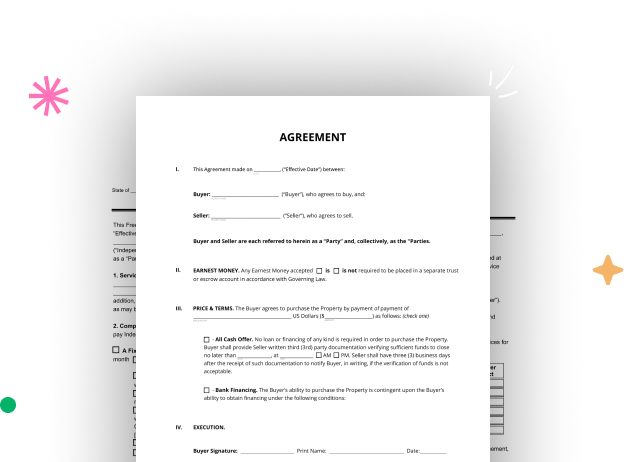
Open the blank document in the editor, set the document view, and add extra pages if applicable.
02. Add and configure fillable fields
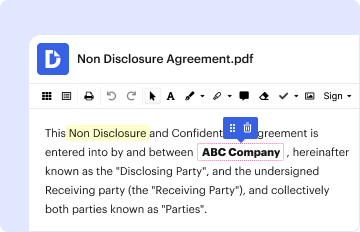
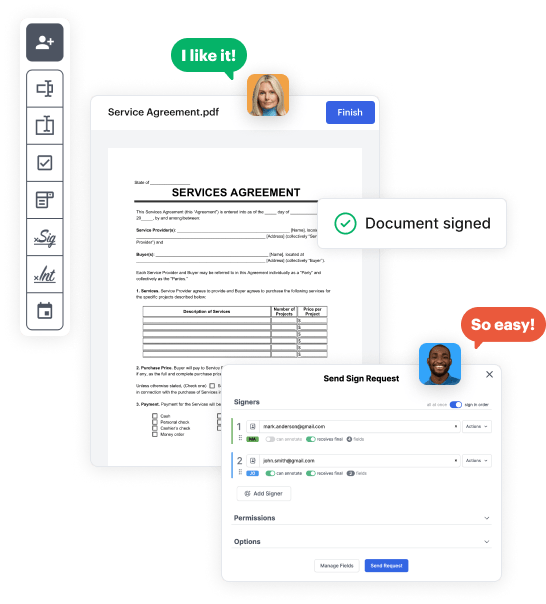
Use the top toolbar to insert fields like text and signature boxes, radio buttons, checkboxes, and more. Assign users to fields.
03. Distribute your form
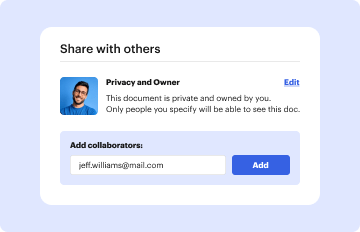
Share your Judgment Enforcement Document in seconds via email or a link. You can also download it, export it, or print it out.

Design your Judgment Enforcement Document in a matter of minutes

Form edit decoration

Step 1: Access DocHub to build your Judgment Enforcement Document.

Begin signining into your DocHub account. Utilize the pro DocHub functionality at no cost for 30 days.

Step 2: Navigate to the dashboard.

Once signed in, head to the DocHub dashboard. This is where you'll build your forms and manage your document workflow.

Step 3: Create the Judgment Enforcement Document.

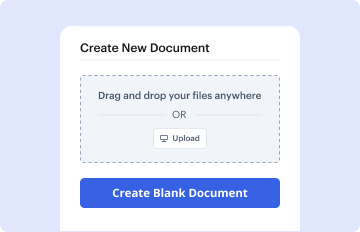
Hit New Document and select Create Blank Document to be redirected to the form builder.

Step 4: Design the form layout.

Use the DocHub features to add and configure form fields like text areas, signature boxes, images, and others to your form.

Step 5: Add text and titles.

Add necessary text, such as questions or instructions, using the text field to assist the users in your document.

Step 6: Configure field properties.

Adjust the properties of each field, such as making them compulsory or formatting them according to the data you expect to collect. Designate recipients if applicable.

Step 7: Review and save.

After you’ve managed to design the Judgment Enforcement Document, make a final review of your form. Then, save the form within DocHub, export it to your chosen location, or distribute it via a link or email.


be ready to get more

Build your Judgment Enforcement Document in minutes

Start creating now

Got questions?

We have answers to the most popular questions from our customers. If you can't find an answer to your question, please contact us.
Contact us
If the debtor will not pay, it can be complicated, expensive, and take a lot of time to collect your money. And, read about some of the ways you can try to collect your judgment when the debtor will not pay you on his or her own. Collecting the Judgment - moneyselfhelp - California Courts California Courts California Courts
Judgments are valid until satisfied or discharged; however, when a period of five years lapses, the judgment holder must file a motion with the court and prove sufficient cause for failure to obtain a writ of execution.
If you win a judgment issued by a federal court, you may start collecting right away. The defendant has 30 days to file an appeal or post a bond. If the defendant posts a bond you must cease your collection efforts (Federal Rules of Appellate Procedure 4(b)). COLLECTING YOUR JUDGMENT - California Courts California Courts - CA.gov partners documents colle California Courts - CA.gov partners documents colle
Most judgments (the court order saying what youre owed) expire in 10 years. This means you cant collect on it after 10 years. To avoid this, you can ask the court to renew it. Renew a civil judgment | California Courts | Self Help Guide California Courts | Self Help civil-lawsuit renew California Courts | Self Help civil-lawsuit renew
A writ of execution is a process issued by the court directing the U.S. Marshal to enforce and satisfy a judgment for payment of money. (Federal Rules of Civil Procedure 69).
be ready to get more

Build your Judgment Enforcement Document in minutes

Start creating now

Related Q&A to Judgment Enforcement Document

To domesticate an out-of-state judgment in California, follow this procedure: First, the creditor must file an Application for Entry of Judgment on Sister-State Judgment (Form EJ-105). Second, the creditor must submit a Notice of Entry of Sister-State Judgment (Form EJ-110). Domestication of Judgments in California - The Wallin Firm Wallin Firm judgment-collection-tools Wallin Firm judgment-collection-tools
Judgment enforcement is the process of locating and recovering assets that can be used to satisfy the judgment. Assets may include real property, personal belongings, wages, and income streams, subject to certain exemptions for each category.
Money judgments automatically expire (run out) after 10 years. To prevent this from happening, you as the judgment creditor must file a request for renewal of the judgment with the court BEFORE the 10 years run out.

Additional resources on building your forms

