Create your Irrevocable Trust from scratch

Start Building Now
Title decoration

Here's how it works

01. Start with a blank Irrevocable Trust
Open the blank document in the editor, set the document view, and add extra pages if applicable.
02. Add and configure fillable fields
Use the top toolbar to insert fields like text and signature boxes, radio buttons, checkboxes, and more. Assign users to fields.
03. Distribute your form
Share your Irrevocable Trust in seconds via email or a link. You can also download it, export it, or print it out.

Create Irrevocable Trust from scratch by following these step-by-step guidelines
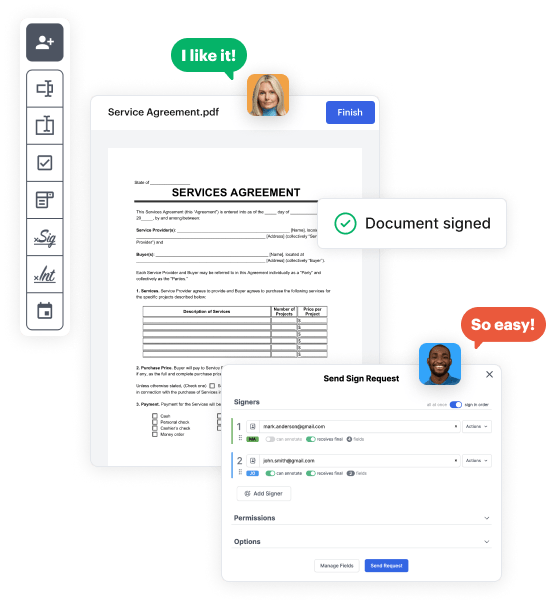
Form edit decoration

Step 1: Start off by launching DocHub.

Begin by creating a free DocHub account using any offered sign-up method. Just log in if you already have one.

Step 2: Register for a 30-day free trial.

Try out the entire set of DocHub's advanced tools by registering for a free 30-day trial of the Pro plan and proceed to build your Irrevocable Trust.

Step 3: Start with a new blank document.

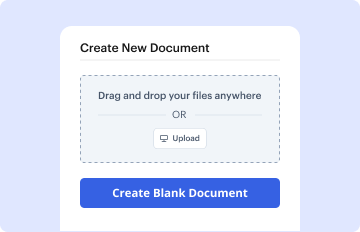
In your dashboard, choose the New Document button > scroll down and choose to Create Blank Document. You will be redirected to the editor.

Step 4: Organize the document’s view.

Use the Page Controls icon indicated by the arrow to toggle between two page views and layouts for more convenience.

Step 5: Begin by adding fields to create the dynamic Irrevocable Trust.

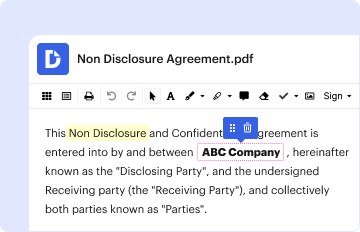
Explore the top toolbar to place document fields. Add and configure text boxes, the signature block (if applicable), insert images, etc.

Step 6: Prepare and customize the added fields.

Arrange the fillable areas you added per your preferred layout. Personalize the size, font, and alignment to ensure the form is easy to use and polished.

Step 7: Finalize and share your document.

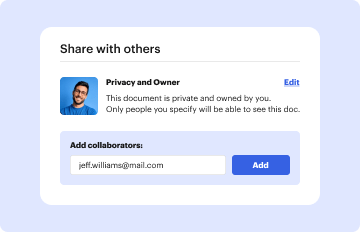
Save the ready-to-go copy in DocHub or in platforms like Google Drive or Dropbox, or craft a new Irrevocable Trust. Send out your form via email or utilize a public link to engage with more people.


be ready to get more

Build your Irrevocable Trust in minutes

Start creating now

Got questions?

We have answers to the most popular questions from our customers. If you can't find an answer to your question, please contact us.
Contact us
Some of the most common reasons trusts are invalid include: Legal formalities were not followed when executing the trust instrument. The trust was created or modified through forgery or another type of fraud. The trust maker was not mentally competent when they created or modified the trust.
With an irrevocable trust, the transfer of assets is permanent. So once the trust is created and assets are transferred, they generally cant be taken out again. You can still act as the trustee but youd be limited to withdrawing money only on an as-needed basis to cover necessary expenses.
The grantor forfeits ownership and authority over the trust and its assets, meaning theyre unable to make any changes without permission from the beneficiary or a court order. A third-party member, called a trustee, is responsible for managing and overseeing an irrevocable trust.
Who Controls an Irrevocable Trust? Under an irrevocable trust, legal ownership of the trust is held by a trustee. At the same time, the grantor gives up certain rights to the trust.
Some downsides of an irrevocable trust include the following: You will give up much more control over your financial affairs. Additional tax returns may need to be filed for the irrevocable trust, which can add cost and complexity. Irrevocable trusts may be more difficult to create and are nearly impossible to modify.
be ready to get more

Build your Irrevocable Trust in minutes

Start creating now

Related Q&A to Irrevocable Trust

Beneficiary of an Irrevocable Trust We generally advise using yourself as the beneficiary during your lifetime, making this a self-settled trust, with the benefit passing to who you choose after your lifetime. This provides benefits and control when youre alive, with those you choose accruing the benefit afterward.
No More Control Over Assets Naturally, the biggest downside to an irrevocable trust is the fact that you dont have any control over your assets.
Yes. The trust document can allow for changes. Sometimes a trust document designates an independent person a trust protector as someone who can make certain changes to the trust.

Additional resources on building your forms