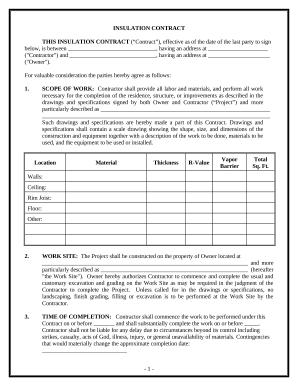
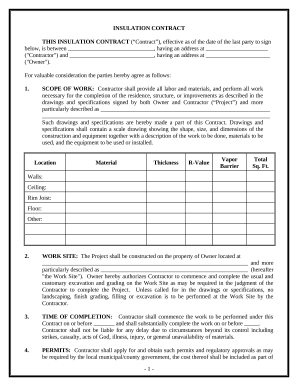
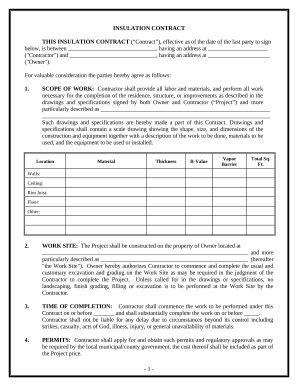
Transform your file operations with Insulation Contract for Construction

Your workflows always benefit when you can locate all the forms and documents you need at your fingertips. DocHub offers a huge selection of forms to relieve your day-to-day pains. Get hold of Insulation Contract for Construction category and quickly find your form.

Start working with Insulation Contract for Construction in a few clicks:

  1. Open Insulation Contract for Construction and locate the document you need.
  2. Click on Get Form to open it in the editor.
  3. Begin modifying your form: add more fillable fields, highlight paragraphs, or blackout sensitive data.
  4. The application saves your changes automatically, and after you are all set, you can download or distribute your file with other contributors.

Enjoy smooth document managing with DocHub. Discover our Insulation Contract for Construction collection and discover your form today!


Video Guide on Insulation Contract for Construction management

video background

Commonly Asked Questions about Insulation Contract for Construction

The most common types of materials used for loose-fill insulation include cellulose, fiberglass, and mineral (rock or slag) wool. All of these materials are produced using recycled waste materials. Cellulose is primarily made from recycled newsprint.
An insulation contractor is a type of contractor who is specialized in installing thermal insulation. These are contractors who work on residential, commercial, or industrial projects and coordinate with heating, plumbing, and mechanical construction workers.
Best Insulating Building Materials for New Construction Homes. The most commonly used building insulation materials are spray foam, fiberglass, and cellulose.
Fiberglass. Fiberglass consists of extremely fine glass fibers and is one of the most ubiquitous insulation materials. Its commonly used in many different forms of insulation: blanket (batts and rolls), loose-fill, and is also available as rigid boards and duct insulation.
Insulation materials include: Fiberglass: Fiberglass is the most common insulation material. Its made from fine glass fibers and is most often used in batts, rolls and loose-fill insulation.
Insulation refers to an energy savings measure, which provides resistance to heat flow. Naturally, heat flows from a warmer to a cooler space. By insulating a house, one can reduce the heat loss in buildings in cold weather or climate, and reduce the heat surplus in warmer weather or climate.
Expanded polystyrene (EPS) is a premier material for protecting homes, foods and sensitive materials because of its cost-effective, efficient insulation qualities. In fact, EPS leads the pack when it comes to R-value per dollar. This ratio of R-value to the total price of manufacturing and installation per sq. ft.
The Five Most Efficient Insulation Materials Fibreglass. Fibreglass is the most widely used insulating material these days. Cellulose. Cellulose is made from recycled paper products and isnt just an efficient insulator, its very environmentally friendly. Mineral wool. Polystyrene.