

Create your Injury Claims Legal Form from scratch

Start Building Now
Title decoration

Here's how it works

01. Start with a blank Injury Claims Legal Form
Open the blank document in the editor, set the document view, and add extra pages if applicable.
02. Add and configure fillable fields
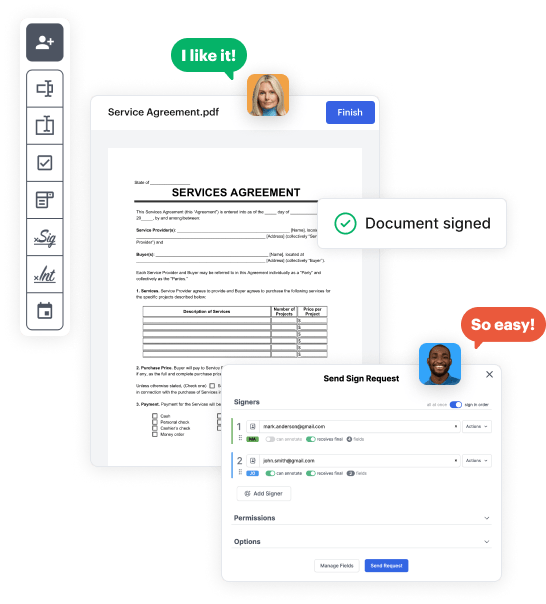
Use the top toolbar to insert fields like text and signature boxes, radio buttons, checkboxes, and more. Assign users to fields.
03. Distribute your form
Share your Injury Claims Legal Form in seconds via email or a link. You can also download it, export it, or print it out.

Design your Injury Claims Legal Form in a matter of minutes

Form edit decoration

Step 1: Access DocHub to set up your Injury Claims Legal Form.

Begin by logging into your DocHub account. Try out the advanced DocHub functionality free for 30 days.

Step 2: Go to the dashboard.

Once logged in, head to the DocHub dashboard. This is where you'll create your forms and manage your document workflow.

Step 3: Design the Injury Claims Legal Form.

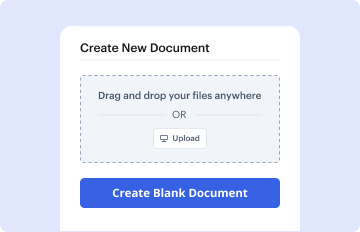
Click on New Document and choose Create Blank Document to be taken to the form builder.

Step 4: Set up the form layout.

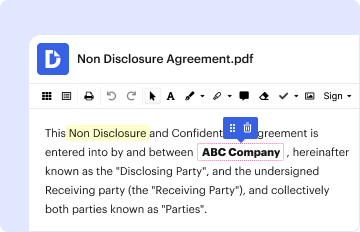
Use the DocHub tools to add and arrange form fields like text areas, signature boxes, images, and others to your document.

Step 5: Insert text and titles.

Add needed text, such as questions or instructions, using the text field to assist the users in your form.

Step 6: Customize field settings.

Alter the properties of each field, such as making them mandatory or arranging them according to the data you expect to collect. Assign recipients if applicable.

Step 7: Review and save.

After you’ve managed to design the Injury Claims Legal Form, make a final review of your document. Then, save the form within DocHub, send it to your chosen location, or distribute it via a link or email.


be ready to get more

Build your Injury Claims Legal Form in minutes

Start creating now

Got questions?

We have answers to the most popular questions from our customers. If you can't find an answer to your question, please contact us.
Contact us
If you want to take legal action to claim compensation for a personal injury, you will need to get advice from a solicitor specialising in these types of cases. This must be done as soon as possible as there are strict time limits on taking legal action. Claiming compensation for a personal injury - Citizens Advice Citizens Advice personal-injuries Citizens Advice personal-injuries
A well-written demand letter should include important accident details, evidence, injuries, and compensation sought. Liability must be discussed in the settlement demand to establish fault. Admitting fault in a demand letter is not advised.
A well-written demand letter should include important accident details, evidence, injuries, and compensation sought. Liability must be discussed in the settlement demand to establish fault. Admitting fault in a demand letter is not advised. HOW TO WRITE A PERSONAL INJURY DEMAND LETTER Wettermark Keith how-to-write-a-personal-injury-de Wettermark Keith how-to-write-a-personal-injury-de
If you want to take legal action to claim compensation for a personal injury, you will need to get advice from a solicitor specialising in these types of cases. This must be done as soon as possible as there are strict time limits on taking legal action.
What should the letter of claim contain? Information about the Claimant. Information about the claim. Special damages. Road traffic accidents. Funding arrangements. Defendants insurer. Rehabilitation. Documents. What should a letter of claim for a personal injury claim contain? Claims.co.uk knowledge-base letters-of-c Claims.co.uk knowledge-base letters-of-c
be ready to get more

Build your Injury Claims Legal Form in minutes

Start creating now

Related Q&A to Injury Claims Legal Form

An injury release form is a statement that says that the claim is resolved and that the insurance company or the at-fault party has no further obligation to you. In short, an injury release form releases the other party from paying any more compensation or accepting further claims relating to your injury.
Key Stages to Making a Compensation Claim Initial Instructions. Letter of Claim. Collating Evidence. If Liability is Admitted. Obtaining Medical Evidence. Preparing a Schedule of Financial Losses. Negotiating Settlement. If Liability is Denied. Key Stages to Making a Claim - Bakers Solicitors Bakers Solicitors resources key-stage Bakers Solicitors resources key-stage
A release of all claims form is a legal document reflecting the resolution of a dispute, dismissing any further claims, and releasing the opposing party or parties from liability. This document is usually signed as part of a settlement agreement. It is also known as a liability waiver form.

Additional resources on building your forms