
Create your Individual to Individual Warranty Deed from scratch

Start Building Now
Title decoration

Here's how it works

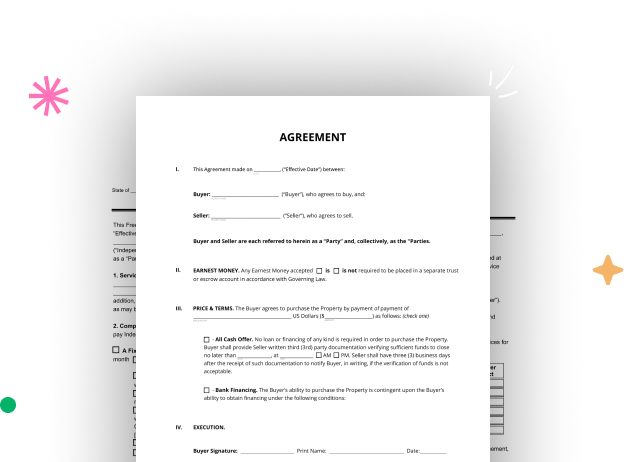
01. Start with a blank Individual to Individual Warranty Deed
Open the blank document in the editor, set the document view, and add extra pages if applicable.
02. Add and configure fillable fields
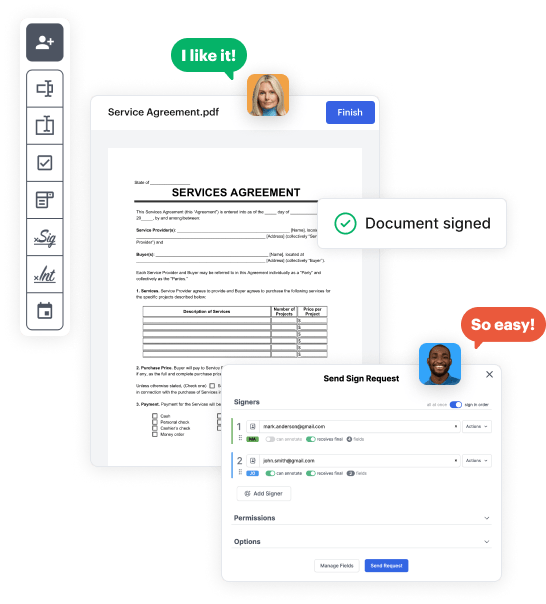
Use the top toolbar to insert fields like text and signature boxes, radio buttons, checkboxes, and more. Assign users to fields.
03. Distribute your form
Share your Individual to Individual Warranty Deed in seconds via email or a link. You can also download it, export it, or print it out.

A detailed walkthrough of how to build your Individual to Individual Warranty Deed online

Form edit decoration

Step 1: Start with DocHub's free trial.

Navigate to the DocHub website and sign up for the free trial. This provides access to every feature you’ll need to build your Individual to Individual Warranty Deed with no upfront cost.

Step 2: Navigate to your dashboard.

Log in to your DocHub account and go to the dashboard.

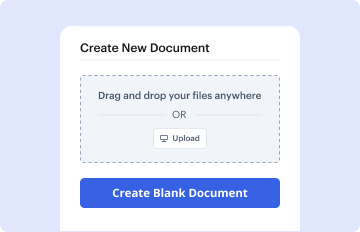
Step 3: Initiate a new document.

Click New Document in your dashboard, and choose Create Blank Document to create your Individual to Individual Warranty Deed from the ground up.

Step 4: Use editing tools.

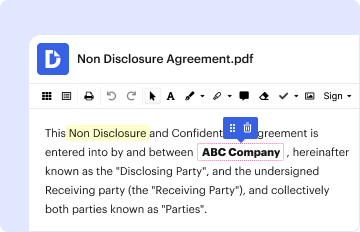
Add various fields such as text boxes, radio buttons, icons, signatures, etc. Arrange these elements to match the layout of your document and assign them to recipients if needed.

Step 5: Modify the form layout.

Organize your document effortlessly by adding, repositioning, removing, or combining pages with just a few clicks.

Step 6: Create the Individual to Individual Warranty Deed template.

Turn your newly designed form into a template if you need to send multiple copies of the same document multiple times.

Step 7: Save, export, or share the form.

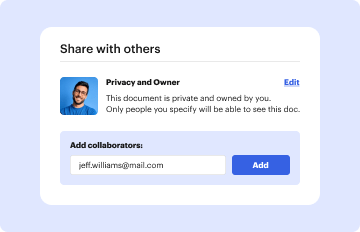
Send the form via email, share a public link, or even publish it online if you want to collect responses from a broader audience.


be ready to get more

Build your Individual to Individual Warranty Deed in minutes

Start creating now

Got questions?

We have answers to the most popular questions from our customers. If you can't find an answer to your question, please contact us.
Contact us
Key Takeaways. A warranty deed protects the buyer and ensures that the seller holds a free and clear title to a property without any outstanding liens or mortgages. A warranty deed is a legal real estate document and protects the buyer against future claims to the title of the property.
A traditional deed simply transfers the ownership of a property from one party to another (in other words, the seller to the buyer.) Whoever legally holds the deed is the rightful owner of the property. A warranty deed, on the other hand, contains special assurances that the seller makes to the buyer.
0:13 1:52 Public The notary will verify identities and witness the signatures. This step is crucial for theMorePublic The notary will verify identities and witness the signatures. This step is crucial for the deed to be legally. Binding Once notorized the deed must be recorded at the county recorder.
A general warranty deed is a legal agreement that protects a property buyer from any debts held against the property theyre purchasing. If such a debt emerges after the sale, the seller, not the buyer, is financially responsible for that debt.
A person may be added to a property deed as a result of inheritance, marriage or partnership. Its crucial to understand that adding someone to a deed typically involves a transfer of ownership interest in the property. With that transfer comes potential tax consequences.
be ready to get more

Build your Individual to Individual Warranty Deed in minutes

Start creating now

Related Q&A to Individual to Individual Warranty Deed

Warranty deeds protect the buyer by guaranteeing a clear title and give the current owner the legal right to sell the house. For sellers, warranty deeds can delay the home selling process and come at an extra cost.
The easiest way to add someone to title is via a Quit Claim Deed. The current owner signs the QCD as the grantor. The current owner is then also the Grantee on the QCD along with the new person to be added to the Deed. After recording, the current owner and new person are then joint owners of the property.
A warranty deed or quit claim deed TRANSFERS TITLE or OWNERSHIP of real property. When you purchase property, you usually receive a warranty deed from the seller to you to show that you now own the property.

Additional resources on building your forms


