
Create your Individual Property Warranty Deed from scratch

Start Building Now
Title decoration

Here's how it works

01. Start with a blank Individual Property Warranty Deed
Open the blank document in the editor, set the document view, and add extra pages if applicable.
02. Add and configure fillable fields
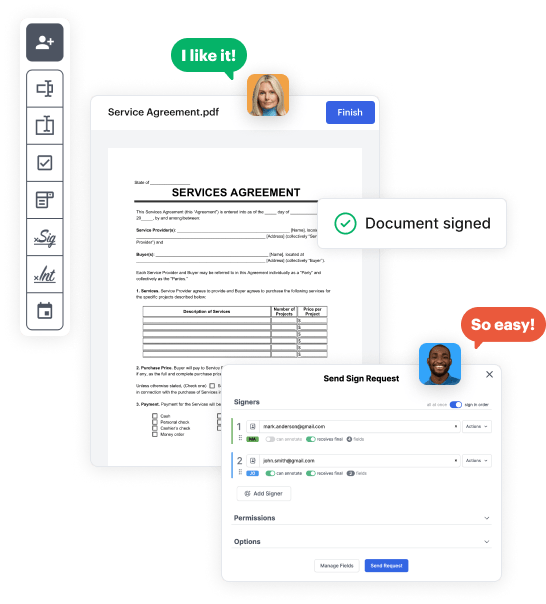
Use the top toolbar to insert fields like text and signature boxes, radio buttons, checkboxes, and more. Assign users to fields.
03. Distribute your form
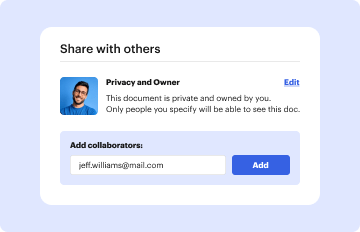
Share your Individual Property Warranty Deed in seconds via email or a link. You can also download it, export it, or print it out.

Design your Individual Property Warranty Deed in a matter of minutes

Form edit decoration

Step 1: Access DocHub to build your Individual Property Warranty Deed.

Start signining into your DocHub account. Explore the advanced DocHub functionality free for 30 days.

Step 2: Go to the dashboard.

Once signed in, head to the DocHub dashboard. This is where you'll create your forms and handle your document workflow.

Step 3: Design the Individual Property Warranty Deed.

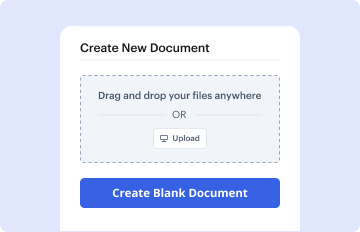
Hit New Document and choose Create Blank Document to be taken to the form builder.

Step 4: Design the form layout.

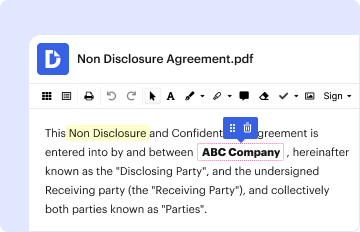
Use the DocHub toolset to add and arrange form fields like text areas, signature boxes, images, and others to your document.

Step 5: Add text and titles.

Include needed text, such as questions or instructions, using the text tool to lead the users in your form.

Step 6: Configure field settings.

Modify the properties of each field, such as making them mandatory or arranging them according to the data you plan to collect. Assign recipients if applicable.

Step 7: Review and save.

After you’ve managed to design the Individual Property Warranty Deed, make a final review of your document. Then, save the form within DocHub, export it to your preferred location, or distribute it via a link or email.


be ready to get more

Build your Individual Property Warranty Deed in minutes

Start creating now

Got questions?

We have answers to the most popular questions from our customers. If you can't find an answer to your question, please contact us.
Contact us
Can I prepare my own warranty deed in Texas? As a property owner and grantor, you can obtain a warranty deed for the transfer of real estate through a local realtors office, or with an online search for a template. To make the form legally binding, you must sign it in front of a notary public.
A warranty deed, also known as a general warranty deed, is a legal real estate document between the seller (grantor) and the buyer (grantee).
A traditional deed simply transfers the ownership of a property from one party to another (in other words, the seller to the buyer.) Whoever legally holds the deed is the rightful owner of the property. A warranty deed, on the other hand, contains special assurances that the seller makes to the buyer.
A general warranty deed is the most common type of deed used for transferring real estate. It basically promises that: not only does the seller have good and proper title to sell the property, but all the prior owners also had good title, thus making a complete chain of ownership; and.
Key Takeaways. A warranty deed protects the buyer and ensures that the seller holds a free and clear title to a property without any outstanding liens or mortgages. A warranty deed is a legal real estate document and protects the buyer against future claims to the title of the property.
be ready to get more

Build your Individual Property Warranty Deed in minutes

Start creating now

Related Q&A to Individual Property Warranty Deed

A special warranty deed differs from a general warranty deed in that where a general warranty deed guarantees title against interests predating the grantors ownership of the property, a special warranty deed merely guarantees title only against defects arising during the time the grantor owned the real property.
Requirements to be filed The deed must describe the real property, full legal description. Name the party/parties transferring the property (grantor) Name the party/parties receiving the property (grantee) Be signed and docHubd by the grantor with a witness.

Additional resources on building your forms


