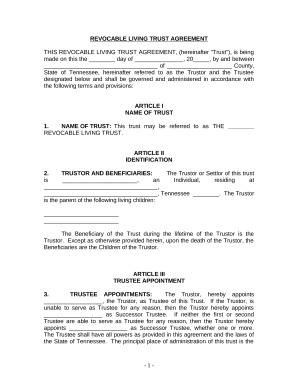
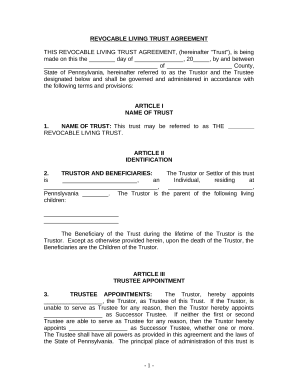
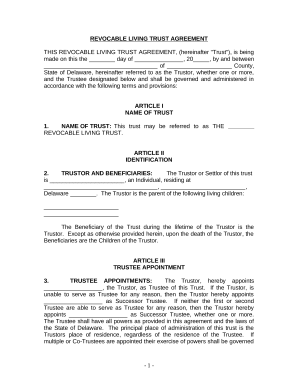
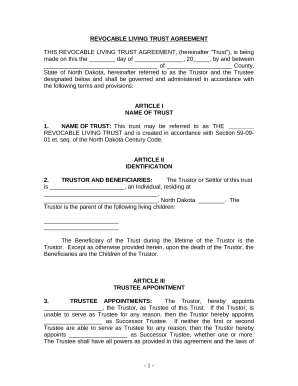
Enhance your productiveness with Individual Living Trust Templates

Form managing consumes to half of your business hours. With DocHub, you can reclaim your time and improve your team's efficiency. Access Individual Living Trust Templates online library and discover all form templates related to your day-to-day workflows.

Easily use Individual Living Trust Templates:

  1. Open Individual Living Trust Templates and use Preview to find the appropriate form.
  2. Click Get Form to begin working on it.
  3. Wait for your form to open in the online editor and begin editing it.
  4. Add new fillable fields, icons, and images, modify pages order, etc.
  5. Fill out your template or prepare it for other contributors.
  6. Download or deliver the form by link, email attachment, or invite.

Speed up your day-to-day file managing using our Individual Living Trust Templates. Get your free DocHub profile today to explore all forms.


Video Guide on Individual Living Trust Templates management

video background

Commonly Asked Questions about Individual Living Trust Templates

Limited Asset Protection: While it provides privacy, a living trust may not shield assets from creditors or lawsuits as effectively as an irrevocable trust. Funding Challenges: Transferring assets into the trust can be overlooked or require constant updates as financial situations change. Revocable vs. Irrevocable Trusts: Advantages and Disadvantages doaneanddoane.com revocable-vs-irrevoc doaneanddoane.com revocable-vs-irrevoc
If you are creating a trust in Wisconsin, you will need to sign the final trust document in front of a notary. Once you have the trust document complete and signed in front of a notary, you will place assets into the trust, a process known as funding the trust. Once the trust is funded, it is active.
For example, a sole proprietorship of a business might choose to place their business in a trust that they can revoke or amend at any time prior to their death and where they are the beneficiary until their death.
The state has not adopted the Uniform Probate Code, so having a living trust could be very useful for your heirs after youve died, as it will allow them to avoid a potentially lengthy and costly probate process. You can create your living trust yourself, but, like any estate planning activity, it can get tricky.
A living trust, or inter vivos trust, is a legal arrangement that is created while you are alive. Youll transfer ownership of assets to the trust, which becomes the new legal owner of your property. A trustee will manage the assets that you have transferred and a beneficiary that you name will benefit from them.
The assets you cannot put into a trust include the following: Medical savings accounts (MSAs) Health savings accounts (HSAs) Retirement assets: 403(b)s, 401(k)s, IRAs. Any assets that are held outside of the United States. Cash. Vehicles.
Living trusts in Wisconsin You will select a trustee who is charged with managing the trust assets. Any adult can be a trustee, but it is most common simply to select yourself.
In most cases, the cost for a lawyer to create a trust can range from $1,000 to $3,000. Once again, those prices are subjective. These costs can vary depending on: The complexity of your trust.
In Wisconsin, a trust is revocable unless it specifically states it is irrevocable in the trust document. Usually a living revocable trust becomes irrevocable (not open to changes) when you die. A trust involves three parties: The settlor or grantor is you, the person who creates the trust.