
Create your Illinois Quitclaim Deed Form from scratch

Start Building Now
Title decoration

Here's how it works

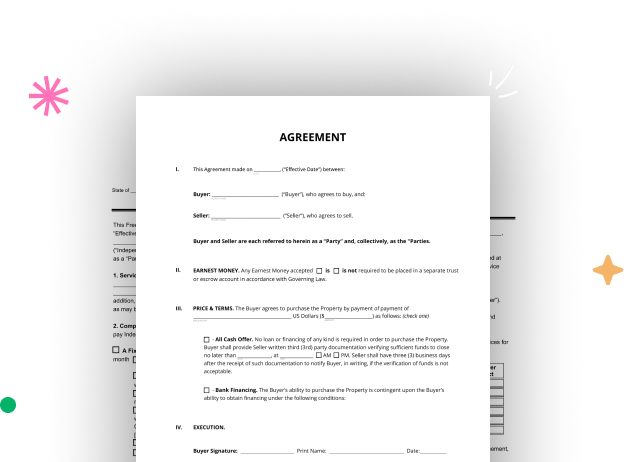
01. Start with a blank Illinois Quitclaim Deed Form
Open the blank document in the editor, set the document view, and add extra pages if applicable.
02. Add and configure fillable fields
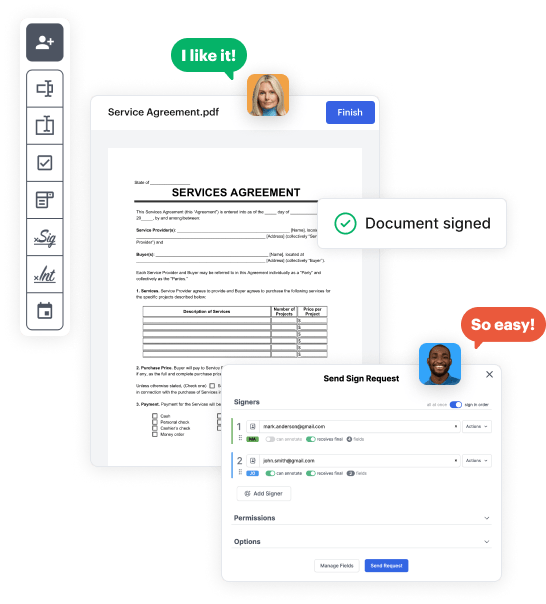
Use the top toolbar to insert fields like text and signature boxes, radio buttons, checkboxes, and more. Assign users to fields.
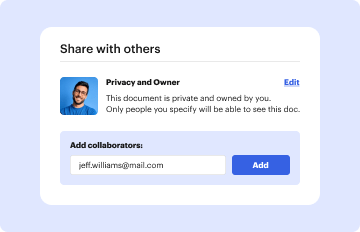
03. Distribute your form
Share your Illinois Quitclaim Deed Form in seconds via email or a link. You can also download it, export it, or print it out.

Craft Illinois Quitclaim Deed Form from scratch with these step-by-step guidelines

Form edit decoration

Step 1: Start off by launching DocHub.

Begin by signing up for a free DocHub account using any available sign-up method. Just log in if you already have one.

Step 2: Register for a 30-day free trial.

Try out the complete suite of DocHub's pro features by signing up for a free 30-day trial of the Pro plan and proceed to build your Illinois Quitclaim Deed Form.

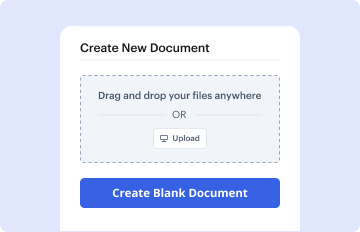
Step 3: Create a new blank document.

In your dashboard, choose the New Document button > scroll down and choose to Create Blank Document. You’ll be taken to the editor.

Step 4: Arrange the view of the document.

Use the Page Controls icon marked by the arrow to switch between two page views and layouts for more convenience.

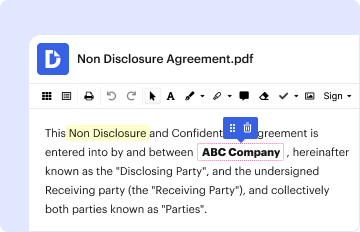
Step 5: Begin by inserting fields to design the dynamic Illinois Quitclaim Deed Form.

Use the top toolbar to add document fields. Insert and format text boxes, the signature block (if applicable), embed images, etc.

Step 6: Prepare and customize the added fields.

Arrange the fillable areas you added per your chosen layout. Adjust each field's size, font, and alignment to make sure the form is user-friendly and polished.

Step 7: Finalize and share your document.

Save the finalized copy in DocHub or in platforms like Google Drive or Dropbox, or craft a new Illinois Quitclaim Deed Form. Send out your form via email or use a public link to reach more people.


be ready to get more

Build your Illinois Quitclaim Deed Form in minutes

Start creating now

Got questions?

We have answers to the most popular questions from our customers. If you can't find an answer to your question, please contact us.
Contact us
From ensuring that you are using the correct tenancy, listing the correct grantor(s) and grantee(s), fulfilling all state, county and municipal requirements, and are filing in the most efficient way possible, it is highly advisable to have a lawyer assist with your quitclaim deed preparation and recording.
What are the Disadvantages of a Quit Claim Deed? No Protections For The Transaction: Unlike warranty deeds, a quitclaim deeds does not offer protections for the new property owner. There is no way to guarantee that the property is owned free and clear, and that there are no easements or restrictions.
A Quit Claim Deed is required to clearly identify the grantor and grantee, the address of the property being transferred, a legal description of the property, the manner in which the grantee is taking title, a docHubd signature of the grantor, and the name and address of the party that has prepared the deed.
Exempt Quitclaim Deed Options For basic service, a quitclaim deed attorney will prepare the new quitclaim deed (and Grantor/Grantee Statement if necessary). The fee is $150 (or $160 if paid by credit card).
You must file either (1) Form PTAX-203 and any required documents with the deed or trust document or (2) an exemption notation on the original deed or trust document at the County Recorders office within the county where the property is located.
be ready to get more

Build your Illinois Quitclaim Deed Form in minutes

Start creating now

Related Q&A to Illinois Quitclaim Deed Form

5 Steps to Prepare and Record an Illinois Quitclaim Deed Prepare the Quitclaim Deed. There are multiple types of tenancies. Prepare the Grantor / Grantee Statement. Acquire Local Municipal Transfer Stamps. Prepare the County State Transfer Declaration. Recording the Quitclaim Deed with the County.

Additional resources on building your forms