

Create your HVAC Construction Package from scratch

Start Building Now
Title decoration

Here's how it works

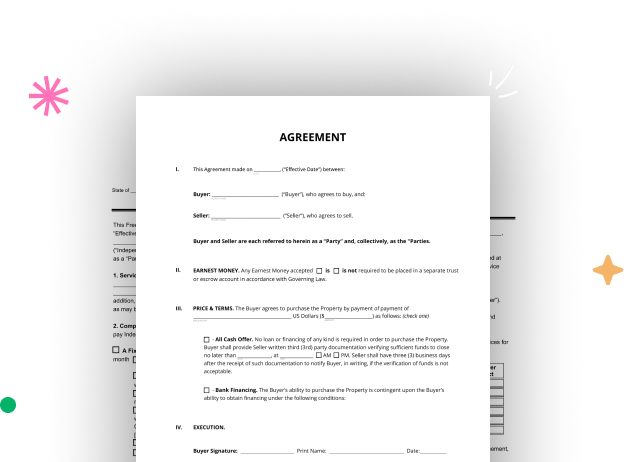
01. Start with a blank HVAC Construction Package
Open the blank document in the editor, set the document view, and add extra pages if applicable.
02. Add and configure fillable fields
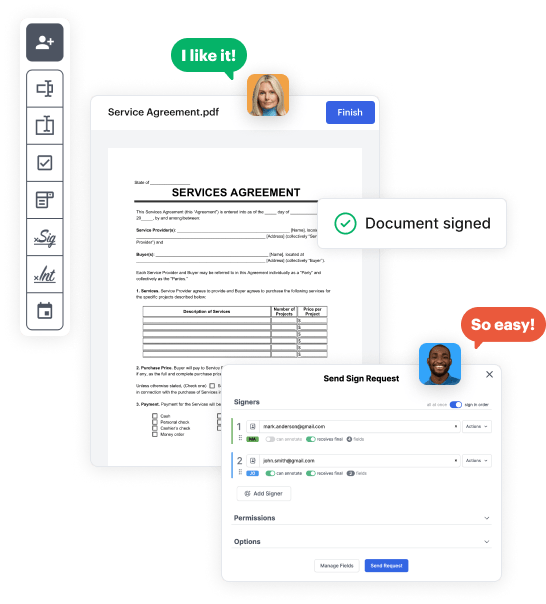
Use the top toolbar to insert fields like text and signature boxes, radio buttons, checkboxes, and more. Assign users to fields.
03. Distribute your form
Share your HVAC Construction Package in seconds via email or a link. You can also download it, export it, or print it out.

A simple tutorial on how to create a polished HVAC Construction Package

Form edit decoration

Step 1: Log in to DocHub to begin creating your HVAC Construction Package.

First, sign in to your DocHub account. If you don't have one, you can easily register for free.

Step 2: Head to the dashboard.

Once you’re in, go to your dashboard. This is your central hub for all document-focused activities.

Step 3: Start new document creation.

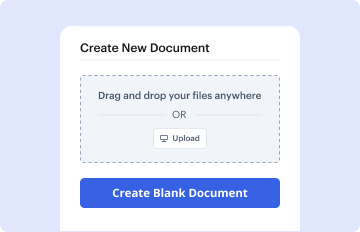
In your dashboard, select New Document in the upper left corner. Select Create Blank Document to craft the HVAC Construction Package from a blank slate.

Step 4: Insert form elements.

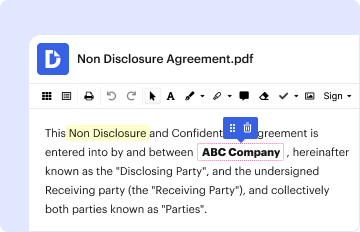
Add numerous elements like text boxes, images, signature fields, and other options to your form and assign these fields to intended recipients as necessary.

Step 5: Fine-tune your form.

Customize your form by incorporating directions or any other required details utilizing the text tool.

Step 6: Review and correct the document.

Attentively go over your created HVAC Construction Package for any mistakes or essential adjustments. Utilize DocHub's editing capabilities to fine-tune your form.

Step 7: Distribute or export the form.

After finalizing, save your file. You can select to retain it within DocHub, transfer it to various storage solutions, or forward it via a link or email.


be ready to get more

Build your HVAC Construction Package in minutes

Start creating now

Got questions?

We have answers to the most popular questions from our customers. If you can't find an answer to your question, please contact us.
Contact us
There are several key factors to consider when choosing an HVAC system for a project. First, assess the heating and cooling needs of the building and its occupants. This will help determine the needed size and type of HVAC system. Second, consider the efficiency and environmental impact of the system.
Draw Layouts and Schematics Create a base layout of the building or space to scale. Design the HVAC system layout, including ductwork, piping, and equipment placement. Develop schematic diagrams for HVAC components and control systems.
The components installed may include the inside air handler or evaporator, outside compressor or condensing unit, new refrigerant supply lines, thermostat, condensate drain lines, and the condensate pump when applicable.
HVAC stands for heating, ventilation and air conditioning systems. This system is responsible for heating and cooling your home and includes products like furnaces, air conditioners, heat pumps as well as ductwork, thermostats and other home comfort controls.
Thermostat. A new HVAC system may call for a new thermostat. Thermostat installation typically costs $100 to $300, depending on the thermostat type. Many HVAC installers include the cost of installing a thermostat with your new AC unit, heat pump, or furnace.
be ready to get more

Build your HVAC Construction Package in minutes

Start creating now

Related Q&A to HVAC Construction Package

A package unit is the all-in-one heating and cooling system for homes that dont have a lot of room indoors for either a furnace and coil, or an air handler. Package units will contain all of their parts in one outdoor unit that sits on either the roof or to the side of a building.
The primary components of an HVAC system include the heating unit, cooling unit, and ductwork. Each plays a vital role in maintaining the desired climate within your home.
What to expect from the actual installation process Remove the old equipment. Well disconnect the ductwork, control wiring, condensate drain and the applicable gas and exhaust vent. Hook up new lines and wiring. Check the system. Add refrigerant and service valves.

Additional resources on building your forms


