
Create your Human Resources Legal Document from scratch

Start Building Now
Title decoration

Here's how it works

01. Start with a blank Human Resources Legal Document
Open the blank document in the editor, set the document view, and add extra pages if applicable.
02. Add and configure fillable fields
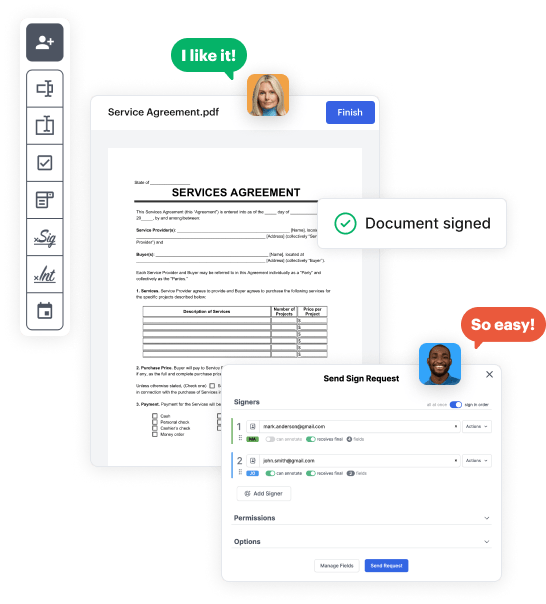
Use the top toolbar to insert fields like text and signature boxes, radio buttons, checkboxes, and more. Assign users to fields.
03. Distribute your form
Share your Human Resources Legal Document in seconds via email or a link. You can also download it, export it, or print it out.

Craft Human Resources Legal Document from scratch with these step-by-step instructions

Form edit decoration

Step 1: Start off by launching DocHub.

Start by registering a free DocHub account using any offered sign-up method. Just log in if you already have one.

Step 2: Register for a 30-day free trial.

Try out the entire set of DocHub's advanced tools by signing up for a free 30-day trial of the Pro plan and proceed to craft your Human Resources Legal Document.

Step 3: Start with a new empty form.

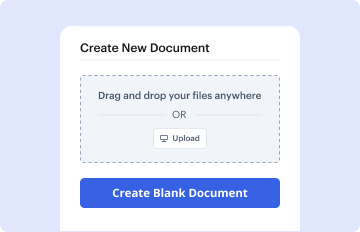
In your dashboard, select the New Document button > scroll down and hit Create Blank Document. You’ll be redirected to the editor.

Step 4: Organize the document’s view.

Use the Page Controls icon marked by the arrow to switch between two page views and layouts for more flexibility.

Step 5: Begin by adding fields to design the dynamic Human Resources Legal Document.

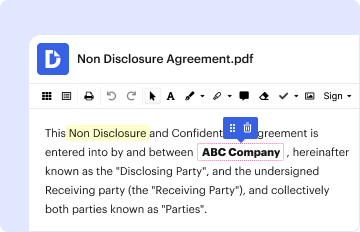
Explore the top toolbar to place document fields. Insert and format text boxes, the signature block (if applicable), add photos, and other elements.

Step 6: Prepare and configure the added fields.

Arrange the fillable areas you added per your preferred layout. Customize the size, font, and alignment to ensure the form is easy to use and neat-looking.

Step 7: Finalize and share your form.

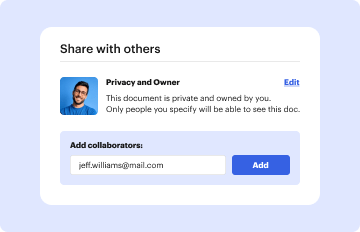
Save the completed copy in DocHub or in platforms like Google Drive or Dropbox, or create a new Human Resources Legal Document. Send out your form via email or get a public link to engage with more people.


be ready to get more

Build your Human Resources Legal Document in minutes

Start creating now

Got questions?

We have answers to the most popular questions from our customers. If you can't find an answer to your question, please contact us.
Contact us
HR managers must have a Masters degree in human resources, business administration, or labour laws. If you want to take your HR career to a new level, you can pursue a doctoral program in Human Resource Management after completing your Masters degree.
10 HR Documents Every Small Business Should Have Offer Letter. After choosing the right person for the job, send an offer letter for them to sign. Employment Agreement. New Employee Documents. Personnel File. Employee Medical Records. Workforce Data Report. Payroll Information. Employee Handbook.
Best Practices For Writing HR Policies Align with organizational goals and values. Be clear and concise. Ensure legal compliance. Involve stakeholders in the development process. Keep it flexible. Focus on the employee experience. Provide examples. Outline responsibilities and consequences.
Best practices for HR documentation Its important to have a written, accessible statement of the companys expectations for employees so theyre aware of the rules, policies and goals. Be specific. Always be thorough and specific when preparing documentation, including dates, times and evidence wherever possible.
The things to include in an employees personnel file are: Job application, CV and cover letter. Education and past employment info. Role description. Job offer letter and employment contract. Emergency contact information. Training records. Payroll and benefits information (but not bank details) Performance appraisal forms.
be ready to get more

Build your Human Resources Legal Document in minutes

Start creating now

Related Q&A to Human Resources Legal Document

Employers should keep all job-related documentation such as hiring records, performance reviews, disciplinary actions and job descriptions in an employees general personnel file. Consider whether the document would be relevant to a supervisor who may review this file when making employment decisions.
The following are the most important documents that every manager needs to include in their HR document checklist. Job Description Document. Employee Handbook. Warning Letters. Regulatory Compliance Documents. Compensation Records. Orientation Documents. Employee Schedules. Exit Documents.

Additional resources on building your forms


