Enhance your file management with HR Policy Documents

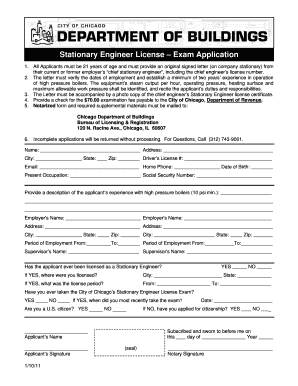
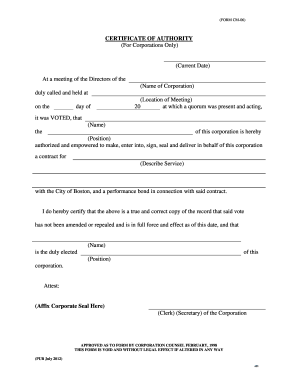
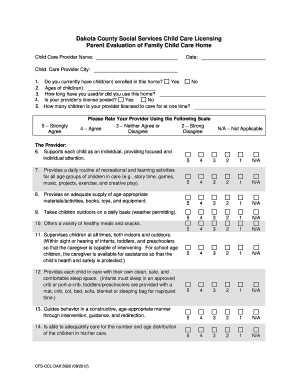
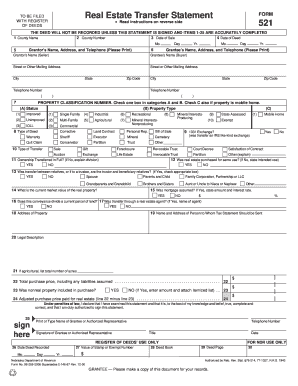
Your workflows always benefit when you are able to discover all of the forms and documents you may need on hand. DocHub provides a a huge collection of documents to relieve your day-to-day pains. Get hold of HR Policy Documents category and quickly browse for your document.

Begin working with HR Policy Documents in a few clicks:

  1. Browse HR Policy Documents and discover the document you need.
  2. Click on Get Form to open it in the editor.
  3. Start modifying your form: add fillable fields, highlight sentences, or blackout sensitive facts.
  4. The application saves your modifications automatically, and after you are all set, you can download or distribute your form with other contributors.

Enjoy easy document management with DocHub. Check out our HR Policy Documents collection and discover your form right now!


Video Guide on HR Policy Documents management

video background

Commonly Asked Questions about HR Policy Documents

Step-by-Step Guide on Writing Effective HR Policies Conduct Research to Identify Policy Objectives. The most crucial step before drafting any HR document or policy is to conduct thorough research and in-depth analysis. Define Policy Structure, Tone, and Language. Review and Approval. Communication and Implementation.
To create and update HR policies and procedures, start by assessing current needs and legal requirements. Draft comprehensive documents outlining guidelines for employee conduct, benefits, and performance expectations. Involve key stakeholders for input, and ensure alignment with company values.
What are HR policies? Human resource (HR) policies are guidelines that outline employee expectations, organizational obligations, disciplinary procedures and behavior standards. These are often written guidelines that HR includes in an employee handbook for employees to reference as needed.
The following are the most important documents that every manager needs to include in their HR document checklist. Job Description Document. Employee Handbook. Warning Letters. Regulatory Compliance Documents. Compensation Records. Orientation Documents. Employee Schedules. Exit Documents.
The 4C model of HRM is centered around four core outcomes that are essential for effective human resource management. These outcomes include Commitment, Competence, Congruence, and Cost-effectiveness. Each of these plays a pivotal role in the development and execution of HR strategies.
External factors such as legal requirements, industry standards, and best practices should be considered when developing the HR policy. It is important to ensure that the policy aligns with applicable laws and regulations to avoid legal risks.