Boost your productivity with Healthcare Legal Documents

Form managing occupies to half of your office hours. With DocHub, it is easy to reclaim your time and improve your team's productivity. Get Healthcare Legal Documents category and check out all document templates related to your day-to-day workflows.

The best way to use Healthcare Legal Documents:

  1. Open Healthcare Legal Documents and utilize Preview to find the suitable form.
  2. Click on Get Form to start working on it.
  3. Wait for your form to upload in our online editor and begin modifying it.
  4. Add new fillable fields, symbols, and images, modify pages order, etc.
  5. Fill out your template or prepare it for other contributors.
  6. Download or share the form by link, email attachment, or invite.

Boost your day-to-day document managing using our Healthcare Legal Documents. Get your free DocHub account right now to explore all forms.


Commonly Asked Questions about Healthcare Legal Documents

Advance directives and living wills are legal documents that give instructions to your family members, health care providers, and others about the kind of care you would want to receive if you can no longer communicate your wishes because you are incapacitated by a temporary or permanent injury or illness.
If the patient is not capable, a substitute decision maker (SDM) makes decisions about treatment. The person(s) ranked highest on the list below would be the patients SDM: Rank of substitute decision makers from the Health Care Consent Act: A guardian with the authority to give or refuse consent to treatment.
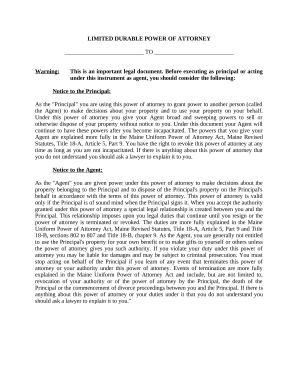
A power of attorney (POA) is a legal authorization that gives the agent or attorney-in-fact the authority to act on behalf of an individual referred to as the principal. The agent may be given broad or limited authority to make decisions about the principals property, finances, investments, or medical care.
An advance directive is a written instruction made by a capable adult who gives or refuses consent to health care in the event that the adult is not capable of giving instruction at the time the health care is required.
You can use an Advance Health Care Directive to say who you want to speak for you and what kind of treatments you want. These documents are called advance because you prepare one before healthcare decisions need to be made.
Living wills and other advance directives are written, legal instructions regarding your preferences for medical care if you are unable to make decisions for yourself.
An LHR is an effective legal document if it does the following: Provides a detailed view of a patients health history and prognosis. Records caregivers observations and measurements. Provides evidence that a certain type of care was necessary and what standards were used to deliver it.