Create your Federal Law Document from scratch

Start Building Now
Title decoration

Here's how it works

01. Start with a blank Federal Law Document
Open the blank document in the editor, set the document view, and add extra pages if applicable.
02. Add and configure fillable fields
Use the top toolbar to insert fields like text and signature boxes, radio buttons, checkboxes, and more. Assign users to fields.
03. Distribute your form
Share your Federal Law Document in seconds via email or a link. You can also download it, export it, or print it out.

A brief tutorial on how to set up a polished Federal Law Document
Form edit decoration

Step 1: Log in to DocHub to begin creating your Federal Law Document.

First, log in to your DocHub account. If you don't have one, you can easily register for free.

Step 2: Head to the dashboard.

Once you’re in, head to your dashboard. This is your main hub for all document-focused activities.

Step 3: Launch new document creation.

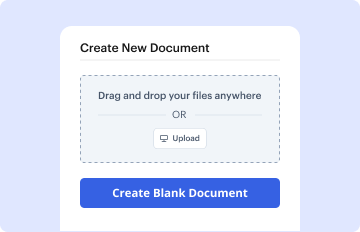
In your dashboard, select New Document in the upper left corner. Select Create Blank Document to build the Federal Law Document from the ground up.

Step 4: Incorporate form elements.

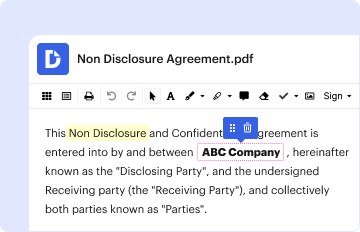
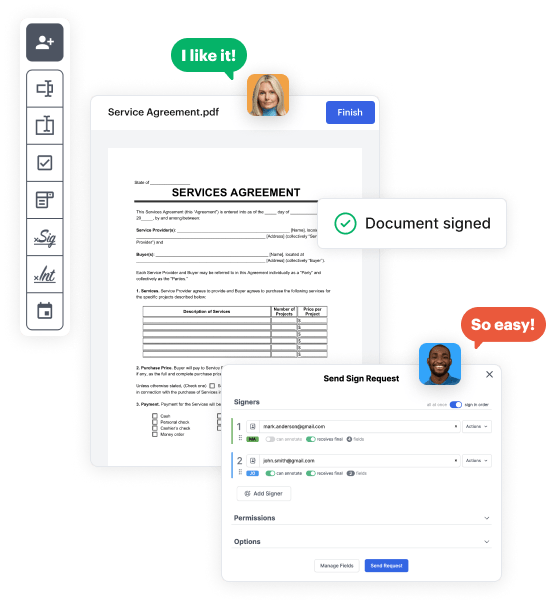
Add various elements like text boxes, photos, signature fields, and other options to your form and assign these fields to specific recipients as required.

Step 5: Customize your template.

Customize your document by adding walkthroughs or any other required details using the text tool.

Step 6: Review and tweak the form.

Attentively check your created Federal Law Document for any inaccuracies or needed adjustments. Make use of DocHub's editing tools to perfect your template.

Step 7: Distribute or export the template.

After completing, save your file. You may choose to save it within DocHub, transfer it to various storage platforms, or send it via a link or email.


be ready to get more

Build your Federal Law Document in minutes

Start creating now

Got questions?

We have answers to the most popular questions from our customers. If you can't find an answer to your question, please contact us.
Contact us
The bill is introduced in either the House of Commons or the Senate. Once the bill has been passed in the same form by both Chambers, it goes to the Governor General for Royal Assent and then becomes Canadian law. The law becomes enforceable once it comes into force.
Steps Step 1: The bill is drafted. Step 2: The bill is introduced. Step 3: The bill goes to committee. Step 4: Subcommittee review of the bill. Step 5: Committee mark up of the bill. Step 6: Voting by the full chamber on the bill. Step 7: Referral of the bill to the other chamber. Step 8: The bill goes to the president.
Lawmaking body presents proposed law in a public meeting so other people can hear about it and comment on it. If there is one, the city council (or other lawmaking body) votes on the proposed law. If the body votes no, the process ends here; if yes, the proposed law is passed on to the chief executive.
Before a Bill can become a law, it must be considered by both Houses of Parliament (National Assembly and National Council of Provinces). It is published in the Government Gazette for public comment and then referred to the relevant committee.
Step By Step Guide to Draft Legal Documents Step 1: Understand the Purpose Scope. Step 2: Research Applicable Laws Regulations. Step 3: Outline the Structure Sections. Step 4: Draft the Document. Step 5: Review and Revise. Step 6: Seek Legal Review and Approval. Step 7: Finalize and Execute the Document.
be ready to get more

Build your Federal Law Document in minutes

Start creating now

Related Q&A to Federal Law Document

These ideas can come from anybody and the process begins when either an individual or group persuades a Member of the Legislature to author a bill. The Member then sends the idea and the language for the bill to the Legislative Counsels Office, where it is drafted into the actual bill.

Additional resources on building your forms