

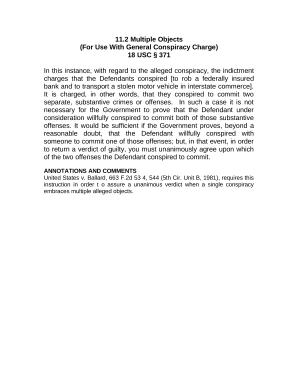
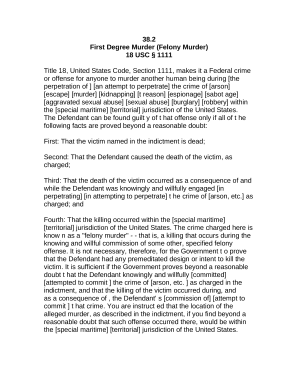
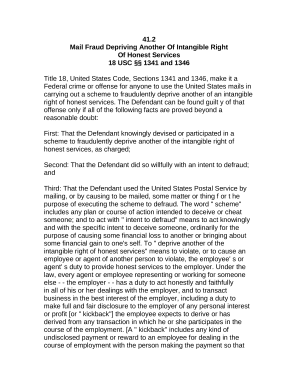
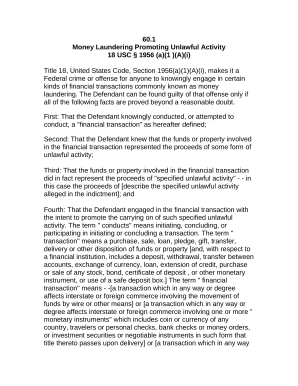
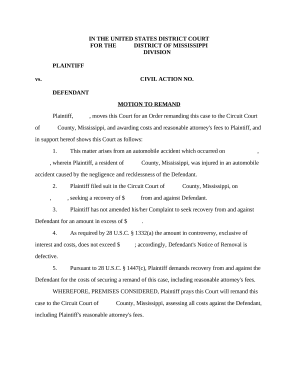
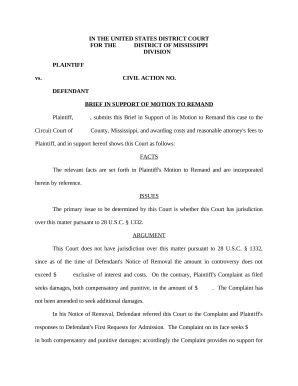
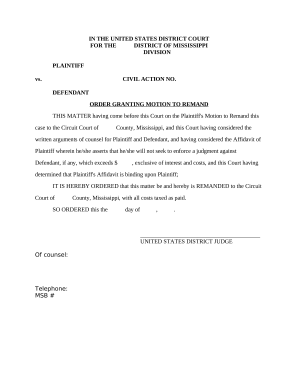
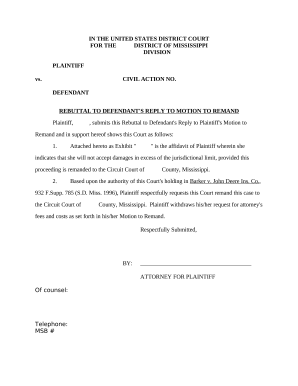
Improve your efficiency with Federal Court Forms

Papers management occupies to half of your office hours. With DocHub, it is easy to reclaim your time and effort and enhance your team's efficiency. Get Federal Court Forms category and investigate all document templates relevant to your everyday workflows.

Effortlessly use Federal Court Forms:

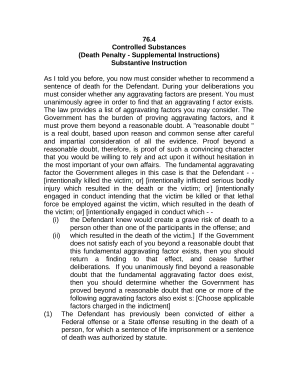
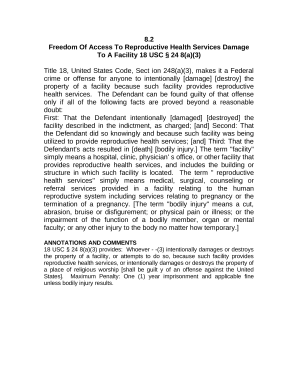
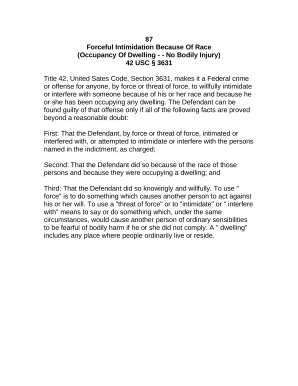
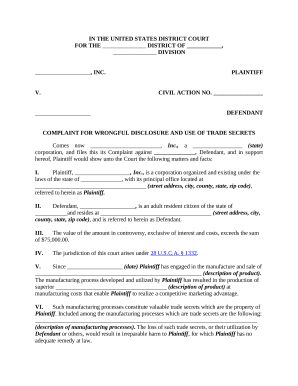
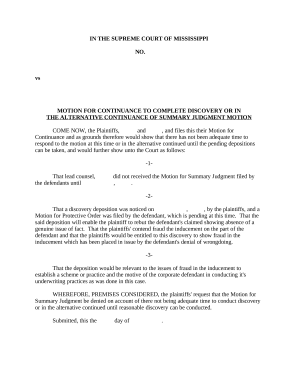
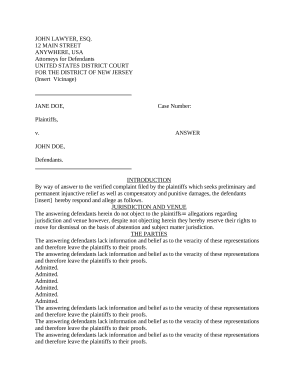
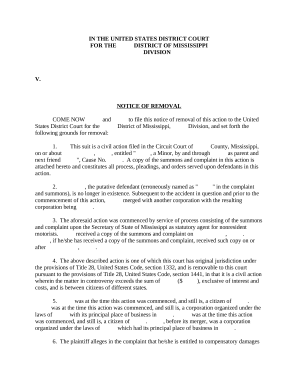
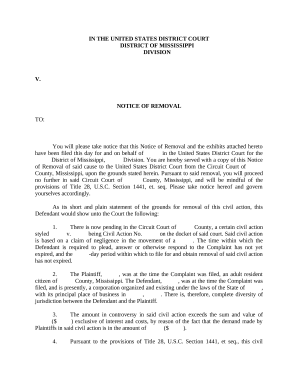
  1. Open Federal Court Forms and employ Preview to get the suitable form.
  2. Click Get Form to start working on it.
  3. Wait for your form to upload in the online editor and start editing it.
  4. Add new fillable fields, symbols, and pictures, adjust pages order, etc.
  5. Fill out your file or set it for other contributors.
  6. Download or deliver the form by link, email attachment, or invite.

Improve your everyday file management with our Federal Court Forms. Get your free DocHub profile today to explore all templates.


Video Guide on Federal Court Forms management

video background

Commonly Asked Questions about Federal Court Forms

United States District Courts The district courts can hear most federal cases, including civil and criminal cases. There are 94 federal judicial districts in the United States and its territories. Each district includes a U.S. bankruptcy court. Some states, like Alaska, have only 1 district for the whole state.
Original jurisdiction means that the Supreme Court is the first, and only, Court to hear a case. The Constitution limits original jurisdiction cases to those involving disputes between the states or disputes arising among ambassadors and other high-ranking ministers.
Federal courts generally have exclusive jurisdiction in cases involving (1) the Constitution, (2) violations of federal laws, (3) controversies between states, (4) disputes between parties from different states, (5) suits by or against the federal government, (6) foreign governments and treaties, (7) admiralty and
The federal court system has three main levels: district courts (the trial court), circuit courts which are the first level of appeal, and the Supreme Court of the United States, the final level of appeal in the federal system.
Types of Cases Criminal Cases. Criminal cases involve enforcing public codes of behavior, which are codified in the laws of the state. Civil Cases. Civil cases involve conflicts between people or institutions such as businesses, typically over money. Family Cases.
More specifically, federal courts hear criminal, civil, and bankruptcy cases.
Federal case files are maintained electronically and are available through the internet-based Public Access to Court Electronic Records (PACER) service. PACER allows anyone with an account to search and locate appellate, district, and bankruptcy court case and docket information. Register for a PACER account.
For instance, civil actions involving traffic violations and family law matters such as alimony and child custody. Meanwhile, federal courts adjudicate issues involving: Cases that deal with the constitutionality of laws under the U.S. Constitution. Cases involving U.S. treaties.
