
Create your Family Law Template from scratch

Start Building Now
Title decoration

Here's how it works

01. Start with a blank Family Law Template
Open the blank document in the editor, set the document view, and add extra pages if applicable.
02. Add and configure fillable fields
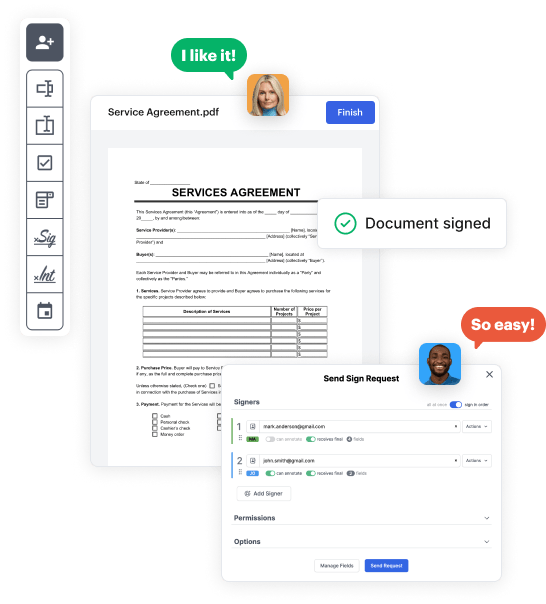
Use the top toolbar to insert fields like text and signature boxes, radio buttons, checkboxes, and more. Assign users to fields.
03. Distribute your form
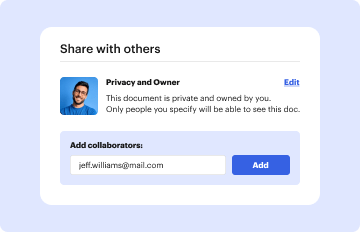
Share your Family Law Template in seconds via email or a link. You can also download it, export it, or print it out.

A detailed walkthrough of how to design your Family Law Template online

Form edit decoration

Step 1: Start with DocHub's free trial.

Go to the DocHub website and register for the free trial. This provides access to every feature you’ll need to create your Family Law Template without any upfront cost.

Step 2: Access your dashboard.

Log in to your DocHub account and navigate to the dashboard.

Step 3: Initiate a new document.

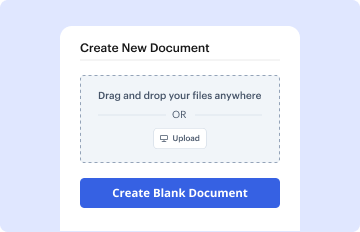
Click New Document in your dashboard, and select Create Blank Document to create your Family Law Template from scratch.

Step 4: Utilize editing tools.

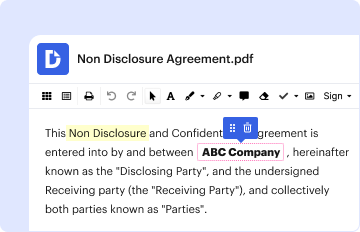
Insert various fields such as text boxes, radio buttons, icons, signatures, etc. Arrange these elements to suit the layout of your form and designate them to recipients if needed.

Step 5: Modify the form layout.

Rearrange your form easily by adding, repositioning, deleting, or merging pages with just a few clicks.

Step 6: Create the Family Law Template template.

Turn your newly designed form into a template if you need to send many copies of the same document repeatedly.

Step 7: Save, export, or share the form.

Send the form via email, share a public link, or even publish it online if you wish to collect responses from a broader audience.


be ready to get more

Build your Family Law Template in minutes

Start creating now

Got questions?

We have answers to the most popular questions from our customers. If you can't find an answer to your question, please contact us.
Contact us
If you have a family law case, you can file a Request for Order in that case. If theres already a family law case involving the child in California, then you can file a Request for Order (form FL-300) to ask the judge to make or change an order in that case about child custody and visitation (parenting time).
In general, the custodial parent the one with 183 overnight visits or more is entitled to federal and state tax deductions and benefits. However, this is a decision you can make with your ex-spouse.
Youll need to pay a fee of $435-$450 to the clerk when you file your forms. If youre also asking for temporary orders, there will be an additional fee of $60-$85. If you cant afford the fee, you can ask the clerk for a fee waiver.
Forms and instructions to change a custody and visitation order Form NameForm Number Request for Order FL-300 Child Custody and Visitation (Parenting Time) Application Attachment FL-311 Temporary Emergency (Ex Parte) Orders FL-3053 more rows
Q: Do I still have to pay child support if I have 50/50 custody? A: If you make more money than the other parent, you may still have to pay some child support or share costs such as employment-related child care or uninsured medical costs.
be ready to get more

Build your Family Law Template in minutes

Start creating now

Related Q&A to Family Law Template

This trial brief should include: Basic facts about your marriage (called the statistical facts) and if you disagree about any of these. A brief summary of the case. A description of all issues that need to be resolved at trial. A brief summary of any appraisal or expert report you plan to use at trial.
Filing for Child Custody in California: 5 Simple Steps Step 1: Open a case. Step 2: Complete your custody forms. Step 3: File with the court. Step 4: Serve the other parent. Step 5: File the remaining forms. Additional help with your initial filing. Preparing for what comes next.
50/50 Child Custody In California While California does not have a specific law stating a 50/50 custody presumption, it does promote the concept of joint custody. Joint custody implies both parents share legal and physical custody, allowing the child to have a meaningful relationship with both parents.

Additional resources on building your forms