
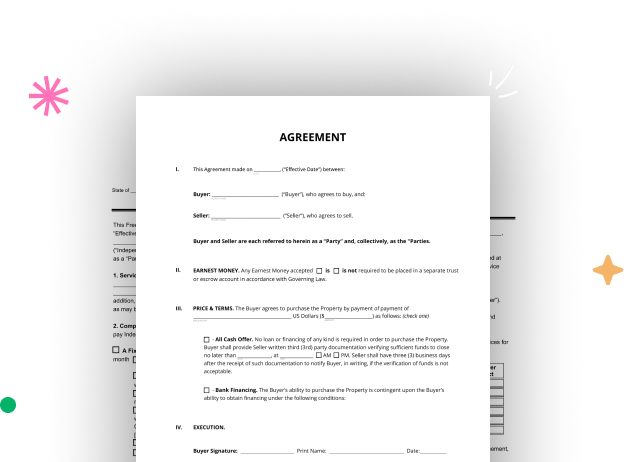
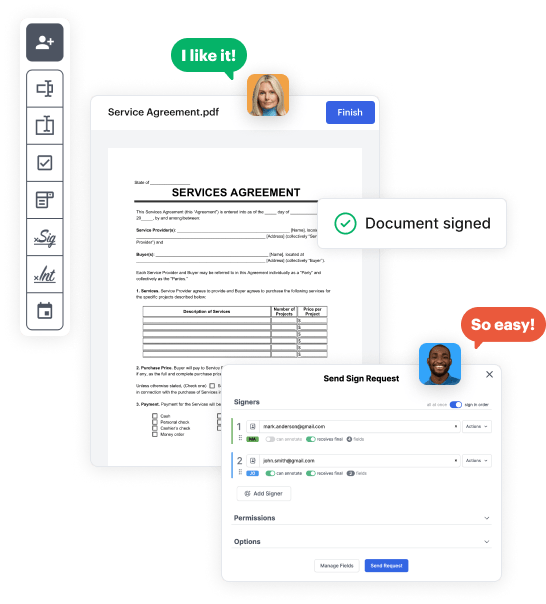
Create your Family Law Court Document from scratch

Start Building Now
Title decoration

Here's how it works

01. Start with a blank Family Law Court Document
Open the blank document in the editor, set the document view, and add extra pages if applicable.
02. Add and configure fillable fields
Use the top toolbar to insert fields like text and signature boxes, radio buttons, checkboxes, and more. Assign users to fields.
03. Distribute your form
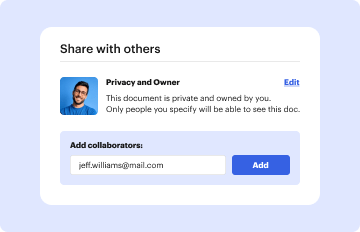
Share your Family Law Court Document in seconds via email or a link. You can also download it, export it, or print it out.

A detailed walkthrough of how to build your Family Law Court Document online

Form edit decoration

Step 1: Start with DocHub's free trial.

Navigate to the DocHub website and register for the free trial. This gives you access to every feature you’ll require to build your Family Law Court Document with no upfront cost.

Step 2: Access your dashboard.

Sign in to your DocHub account and go to the dashboard.

Step 3: Initiate a new document.

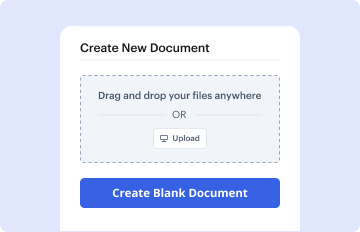
Hit New Document in your dashboard, and select Create Blank Document to craft your Family Law Court Document from scratch.

Step 4: Use editing tools.

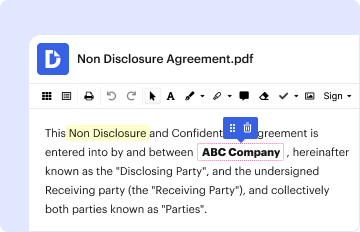
Add various fields such as text boxes, radio buttons, icons, signatures, etc. Organize these elements to match the layout of your form and designate them to recipients if needed.

Step 5: Modify the form layout.

Rearrange your form in seconds by adding, repositioning, removing, or merging pages with just a few clicks.

Step 6: Craft the Family Law Court Document template.

Turn your freshly designed form into a template if you need to send many copies of the same document repeatedly.

Step 7: Save, export, or distribute the form.

Send the form via email, distribute a public link, or even post it online if you wish to collect responses from more recipients.


be ready to get more

Build your Family Law Court Document in minutes

Start creating now

Got questions?

We have answers to the most popular questions from our customers. If you can't find an answer to your question, please contact us.
Contact us
Do it yourself Do it yourself / Full name
In New York City, each of the five boroughs has its own Family Court. Generally, a case may be filed without fee in the county where one of the parties lives. Most Family Court hearings (trials) are heard by judges. Support magistrates hear support and paternity cases.
Submit your motion papers to the assigned Justice, including proof of service upon the other parties; If an order is signed, file the original order and motions papers and the filing fee ($45) in the Clerks Office (50 East Avenue, Rochester, New York 14604). Family Court Motions | Appellate Division Fourth Department New York State Unified Court System courts clerk family New York State Unified Court System courts clerk family
Manhattan Agency: New York Courts. Division: New York County Family Court. Address: 60 Lafayette Street, New York, NY, 10013. Phone Number: (646) 386-5200. Business Hours: Monday - Friday: 9 AM - 5 PM. Family Court NYC311 - NYC.gov NYC 311 - NYC.gov article NYC 311 - NYC.gov article
Agency: New York Courts. Phone Number: (800) 268-7869. Business Hours: Monday - Friday: 9 AM - 5 PM. Automated assistance is also available in Cantonese, Mandarin, and Spanish.
be ready to get more

Build your Family Law Court Document in minutes

Start creating now

Related Q&A to Family Law Court Document

If you are the Respondent (a petition was filed against you) and you fail to appear as ordered, the judge may take your default and grant the petition without further hearings. Sometimes the court can have people arrested if they do not come to court when they are told.
DIY Forms are free and easy guided step by step computer programs that ask the litigant a series of questions then use the answers to prepare personalized court forms that are ready to serve and file. Some programs identify issues and produce information sheets. About DIY Forms | NYCOURTS.GOV New York State Unified Court System diyforms New York State Unified Court System diyforms
After the Court has heard all of the evidence and testimony from witnesses and children, it will render a decision. In most cases, the judge will reserve decision and provide the parties a written decision and order. This might take weeks, or even a month or two to receive.

Additional resources on building your forms


