
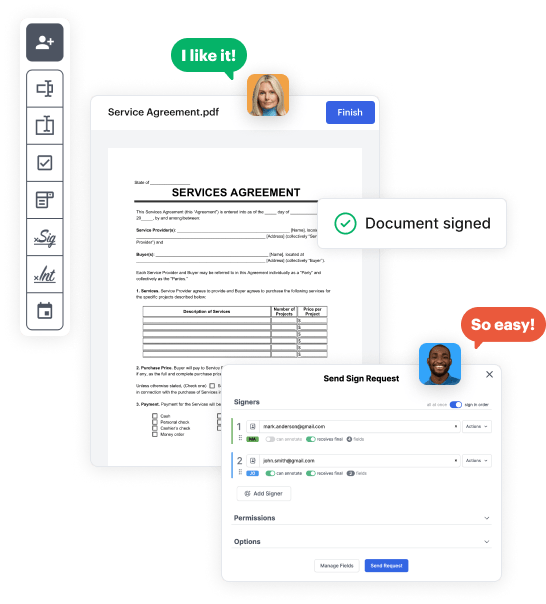
Create your Estates Legal Document from scratch

Start Building Now
Title decoration

Here's how it works

01. Start with a blank Estates Legal Document
Open the blank document in the editor, set the document view, and add extra pages if applicable.
02. Add and configure fillable fields
Use the top toolbar to insert fields like text and signature boxes, radio buttons, checkboxes, and more. Assign users to fields.
03. Distribute your form
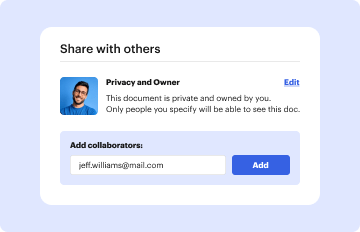
Share your Estates Legal Document in seconds via email or a link. You can also download it, export it, or print it out.

A simple tutorial on how to build a professional-looking Estates Legal Document

Form edit decoration

Step 1: Log in to DocHub to create your Estates Legal Document.

First, sign in to your DocHub account. If you don't have one, you can easily register for free.

Step 2: Go to the dashboard.

Once logged in, navigate to your dashboard. This is your central hub for all document-centric activities.

Step 3: Launch new document creation.

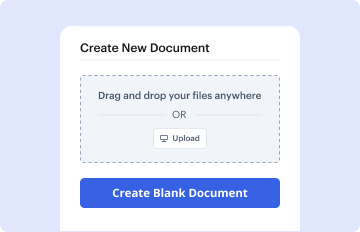
In your dashboard, hit New Document in the upper left corner. Hit Create Blank Document to build the Estates Legal Document from scratch.

Step 4: Add form elements.

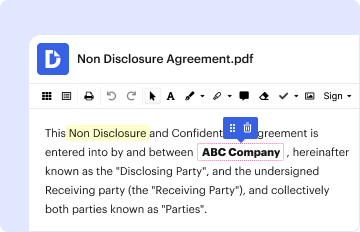
Place various items like text boxes, images, signature fields, and other interactive areas to your form and designate these fields to intended recipients as needed.

Step 5: Fine-tune your form.

Customize your document by incorporating walkthroughs or any other required details leveraging the text option.

Step 6: Double-check and refine the content of the document.

Attentively go over your created Estates Legal Document for any typos or necessary adjustments. Leverage DocHub's editing features to enhance your form.

Step 7: Send out or export the form.

After completing, save your file. You can opt to save it within DocHub, transfer it to various storage solutions, or forward it via a link or email.


be ready to get more

Build your Estates Legal Document in minutes

Start creating now

Got questions?

We have answers to the most popular questions from our customers. If you can't find an answer to your question, please contact us.
Contact us
A will covers what will happen to your family and property after you die. An estate plan has a will but also includes other documents protecting your family and property while you are alive but incapacitated. An estate plan guides your loved ones in handling your financial affairs and medical care.
Get a head-start on planning and follow these 7 easy steps: Take Inventory of Your Estate. First, narrow down what belongs to you. Set a Will in Place. Form a Trust. Consider Your Healthcare Options. Opt for Life Insurance. Store All Important Documents in One Place. Hire an Attorney from Angermeier Rogers.
Common estate planning documents are wills, trusts, powers of attorney, and living wills.
Protect and Maximize Your Estate for Your Heirs In conclusion, when creating your estate plan, its crucial to prioritize these three key objectives: naming a trusted individual to handle your affairs, ensuring your estate goes to who you want it to, and protecting and maximizing your estate for your heirs.
Estate Planning in Six Manageable Steps Who should make an estate plan? Start with an inventory of assets and liabilities. Create a comprehensive will. Make a medical plan. Provide specific instructions for personal property. Decide who will oversee your finances. Set up a plan for your digital estate.
be ready to get more

Build your Estates Legal Document in minutes

Start creating now

Related Q&A to Estates Legal Document

Important points to include in a legal document. Party details. List the names, numbers, addresses (email or physical), and any other relevant information of all parties involved. Background information. Motion. Roles and responsibilities. BdocHubes or contingencies. Dates and signatures.
7 doable steps to help you create a will List all your assets. These might include: Decide who benefits from your estate when you die. Choose guardians for minor children. Name an executor for your will. Create your own will or work with a professional. Make your will official. Update your will as needed.
Its a provision in the trust that grants a beneficiary the annual power to withdraw the greater of $5,000 or 5% of the trusts assets, while avoiding certain negative tax consequences (which are beyond the scope of this post) that might otherwise be applicable if the withdrawal right were exercised outside of those


