
Create your Estate Planning Template from scratch

Start Building Now
Title decoration

Here's how it works

01. Start with a blank Estate Planning Template
Open the blank document in the editor, set the document view, and add extra pages if applicable.
02. Add and configure fillable fields
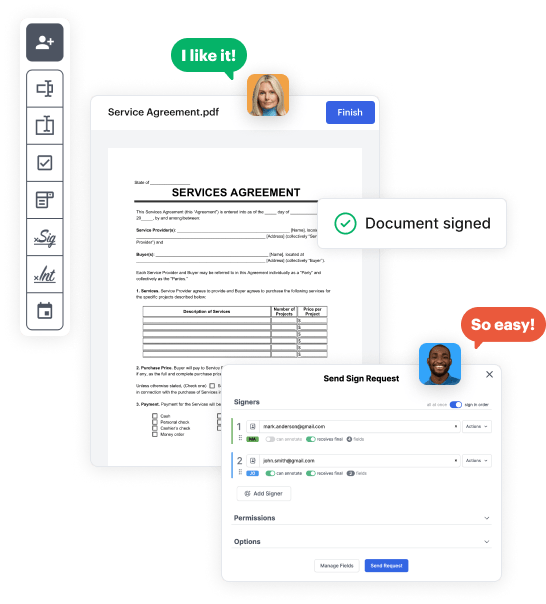
Use the top toolbar to insert fields like text and signature boxes, radio buttons, checkboxes, and more. Assign users to fields.
03. Distribute your form
Share your Estate Planning Template in seconds via email or a link. You can also download it, export it, or print it out.

Build Estate Planning Template from the ground up with these step-by-step guidelines

Form edit decoration

Step 1: Get started with DocHub.

Begin by registering a free DocHub account using any available sign-up method. Simply log in if you already have one.

Step 2: Register for a free 30-day trial.

Try out the entire suite of DocHub's pro features by registering for a free 30-day trial of the Pro plan and proceed to build your Estate Planning Template.

Step 3: Add a new blank document.

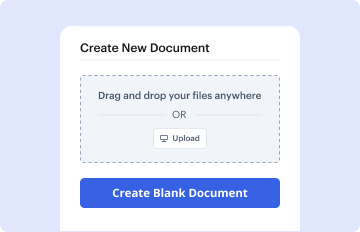
In your dashboard, click the New Document button > scroll down and hit Create Blank Document. You’ll be redirected to the editor.

Step 4: Organize the document’s layout.

Use the Page Controls icon indicated by the arrow to toggle between different page views and layouts for more convenience.

Step 5: Start adding fields to design the dynamic Estate Planning Template.

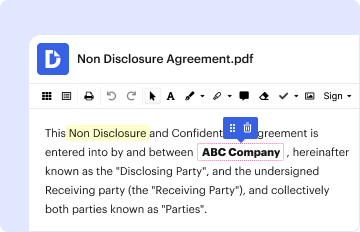
Navigate through the top toolbar to add document fields. Insert and arrange text boxes, the signature block (if applicable), insert images, etc.

Step 6: Prepare and customize the incorporated fields.

Configure the fields you incorporated based on your preferred layout. Customize each field's size, font, and alignment to ensure the form is straightforward and professional.

Step 7: Finalize and share your template.

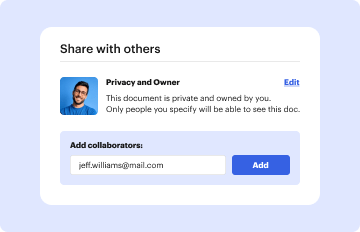
Save the ready-to-go copy in DocHub or in platforms like Google Drive or Dropbox, or create a new Estate Planning Template. Share your form via email or get a public link to reach more people.


be ready to get more

Build your Estate Planning Template in minutes

Start creating now

Got questions?

We have answers to the most popular questions from our customers. If you can't find an answer to your question, please contact us.
Contact us
The first and well-known component of an estate plan is a will. A will determines two things. First, it sets forth who is to step into your shoes as your personal representative in order to pay your bills and distribute your assets. Second, it instructs the personal representative how to go about it.
Get a head-start on planning and follow these 7 easy steps: Take Inventory of Your Estate. First, narrow down what belongs to you. Set a Will in Place. Form a Trust. Consider Your Healthcare Options. Opt for Life Insurance. Store All Important Documents in One Place. Hire an Attorney from Angermeier Rogers.
The five or five power is the power of the beneficiary of a trust to withdraw annually $5,000 or five percent of the assets of the trust.
Key Takeaways Common estate planning documents are wills, trusts, powers of attorney, and living wills.
Here are the 5 basic components to a well-rounded estate plan: Will. Perhaps the most basic and often utilized component of an estate plan is a will. Trusts. Power of Attorney. Health Care Directive (Medical Directive) Beneficiary Designations.
be ready to get more

Build your Estate Planning Template in minutes

Start creating now

Related Q&A to Estate Planning Template

Take inventory of your digital assets. Decide where you want your digital assets to go. Appoint a digital executor. Secure your digital Estate Plan and make sure its legally binding.

Additional resources on building your forms


